






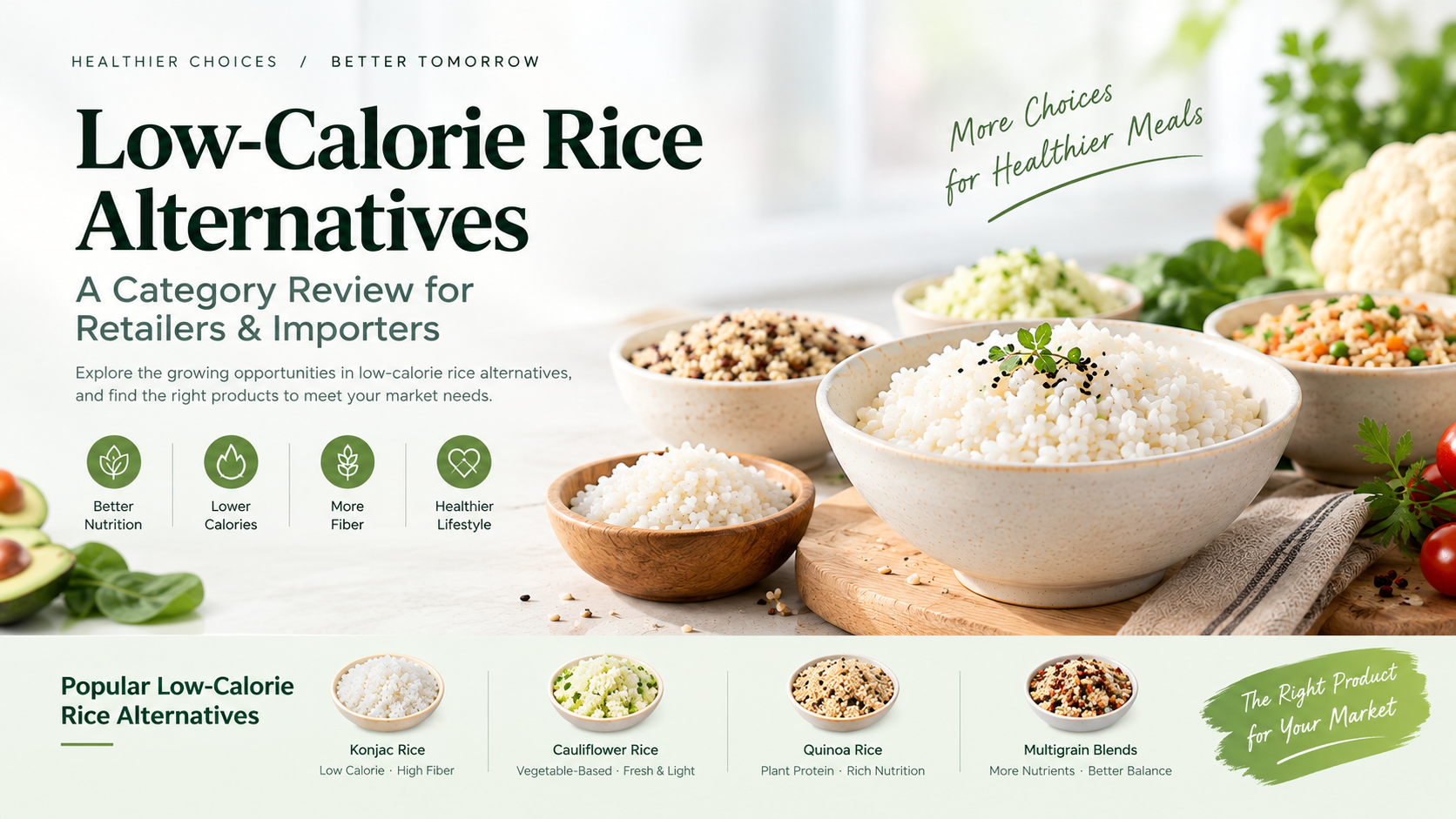
Low-Calorie Rice Alternatives: A Category Review for Retailers & Importers
Introduction
Introduction
As consumers become more conscious of calorie intake, carbohydrate consumption, and everyday nutrition, low-calorie rice alternatives are moving from niche health products toward a broader retail opportunity. For retailers and importers, the challenge is not simply finding a product with fewer calories, but selecting an option that combines consumer appeal, practical preparation, stable shelf life, competitive pricing, and reliable supply.
1. What Are Low-Calorie Rice Alternatives?
1. What Are Low-Calorie Rice Alternatives?
Low-calorie rice alternatives are products designed to replace or partially replace conventional rice while offering a different nutritional profile. Depending on the formulation, they may focus on lower calories, reduced carbohydrates, higher fiber, or functional nutrition.
Common categories include:
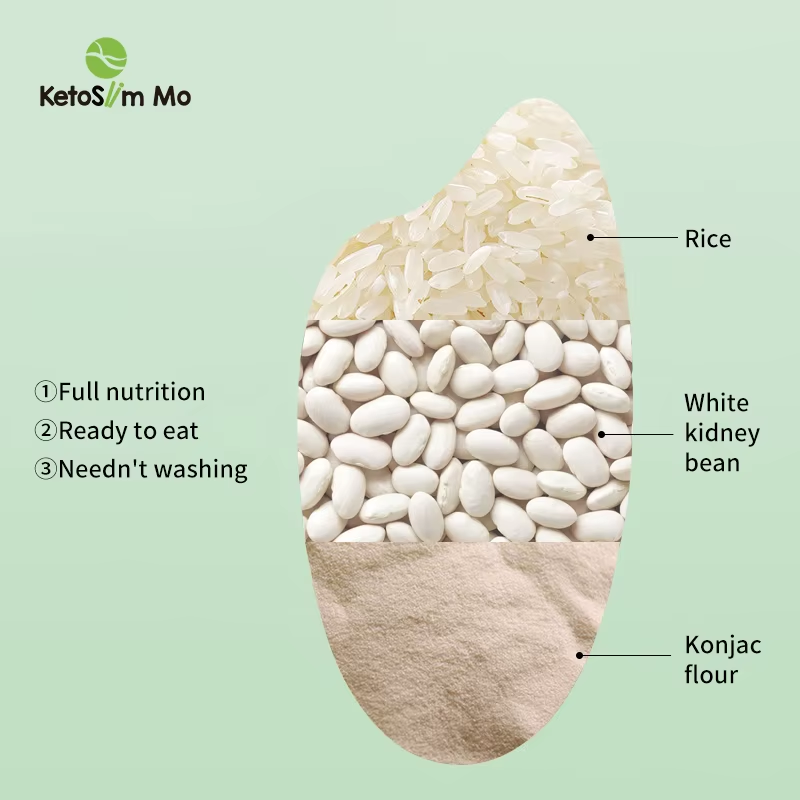
- Konjac rice – a fiber-focused alternative with a light nutritional profile.
- Cauliflower rice – vegetable-based and suitable for fresh or frozen channels.
- Shirataki rice– a water-rich konjac format commonly positioned for low-carb diets.
- Quinoa-based rice blends – combining rice-like convenience with additional plant-based nutrition.
- Multigrain and functional rice blends – developed around fiber, grains, seeds, or other nutritional ingredients.
For international buyers, the right choice depends heavily on the target market and distribution model.
2. What Should Retailers and Importers Evaluate?
2. What Should Retailers and Importers Evaluate?
Nutritional Positioning
Look beyond the calorie number. Buyers should compare calories per serving, carbohydrates, dietary fiber, protein, sugar, and sodium. A balanced nutritional profile can provide more marketing opportunities than a single low-calorie claim.
Taste and Texture
Consumer repeat purchases depend on eating experience. Rice alternatives should be evaluated for grain appearance, texture, flavor absorption, cooking performance, and reheating stability before committing to large volumes.
Shelf Life & Logistics
For importers, shelf life is directly connected to inventory risk. Dry-format products can be particularly attractive for international distribution because they are easier to store, transport, and manage through longer supply chains.
Packaging & Retail Presentation
Packaging should match the sales channel. Stand-up pouches, retail boxes, cups, and bulk formats can serve different markets, from supermarkets and health-food stores to e-commerce and distributors.
3. Why Konjac Rice Deserves Attention
3. Why Konjac Rice Deserves Attention
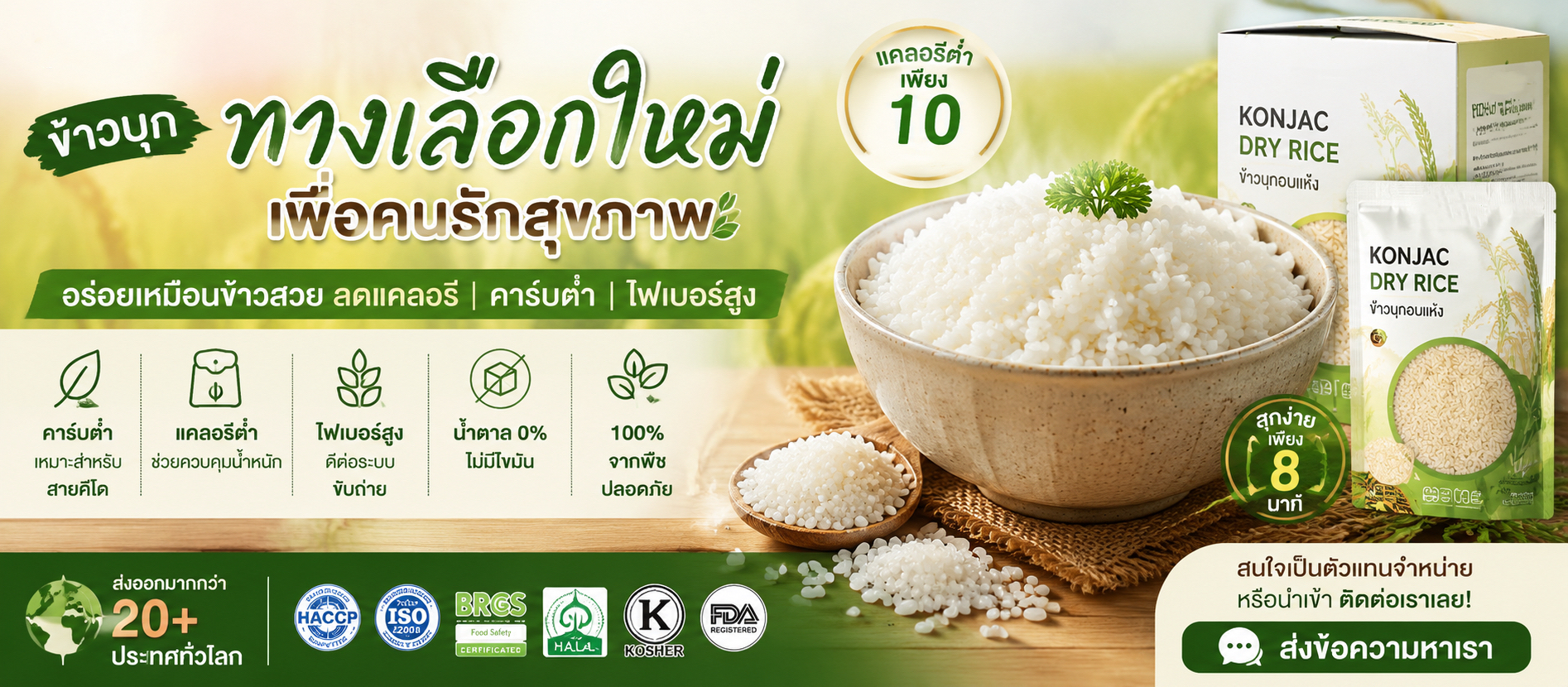
Among low-calorie rice alternatives, konjac dry rice offers an interesting B2B proposition. Its konjac-based formulation can provide a source of dietary fiber while creating a rice-style product suitable for everyday meals.
More importantly for retailers and importers, dry konjac rice can be developed into multiple product concepts, including low-GI, multigrain, quinoa, oatmeal, black rice, high-fiber, and other customized formulations.
This gives brands the opportunity to build a product range rather than rely on a single SKU.
4. What Should Buyers Ask a Supplier?
4. What Should Buyers Ask a Supplier?
Before placing an order, retailers and importers should confirm:
- Is the supplier a direct manufacturer?
- What is the MOQ for standard and customized products?
- Can the formula be customized?
- What private label packaging formats are available?
- What is the sample and production lead time?
- What quality certifications and export experience are available?
- Can production scale with future demand?
A supplier capable of supporting OEM, private label, and wholesale orders can provide greater flexibility as the category develops.
5. Retail Opportunity: Sell the Solution, Not Just the Product
Low-calorie rice alternatives should not be positioned simply as “another type of rice.” Their strongest retail potential comes from connecting the product with specific consumer needs, such as lighter meals, calorie-conscious eating, low-carb lifestyles, high-fiber diets, and convenient meal preparation.
For importers and retailers, this creates opportunities across health-food stores, supermarkets, fitness-oriented channels, and e-commerce platforms.
Conclusion
Conclusion
The low-calorie rice category is becoming more diverse, giving retailers and importers more choices than traditional rice substitutes alone. Nutrition, texture, shelf life, packaging, cost, and supplier capability should all be considered before selecting a product.
For brands seeking a scalable solution, konjac dry rice is worth evaluating as a flexible platform for developing differentiated, health-focused rice alternatives and private label product lines.
Join as Dealer-Unlocking Dealer opportunityand Benefits!
Ketoslim is looking for partners worldwide! join as a partner now to enjoyplenty of advantages and benefits!Access to our diverse products portfolios with OEM manufacturingcapabilities!
Take charge of potential customers in your region, and start cultivation!Access marketing assets to boost your revenue, including a companybrochure and product catalog.No minimum sale requirement for common-type agents. The achievablesales target for the sole agent type.
Complimentary tour of China factory and headquarters.Contact us now for further details discussion!
Contact us