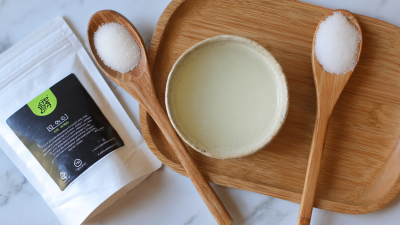
Lately, Konjac Jelly has totally been catching people’s attention as a pretty popular natural option if you're trying to drop some extra pounds. It comes from the root of the konjac plant, and honestly, it’s not just low in calories — it’s also packed with dietary fiber, so it’s a pretty nutritious addition if you’re on a weight loss journey. What’s kinda cool about konjac jelly is its unique texture and versatility — you can add it to all sorts of dishes, giving you a satisfying alternative to stuff that’s higher in calories.
In this article, I wanna share with you the top 10 benefits of konjac jelly for weight loss that everyone should know about. From helping curb your appetite to giving your digestive health a boost, this stuff really packs a punch in terms of benefits that can help you stay on track with your goals. Whether you’re into throwing it into smoothies, desserts, or even savory dishes, knowing what konjac jelly can do for you will help you make smarter choices about what you put in your body — stuff that actually works to support your weight loss efforts.

Understanding Konjac Jelly and Its Weight Loss Properties
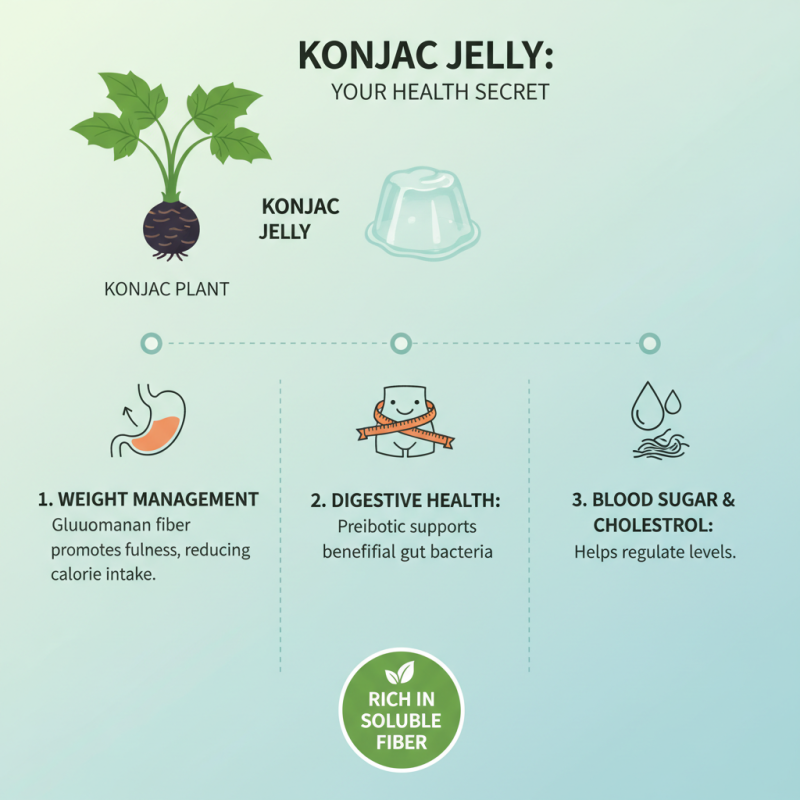
Konjac jelly, derived from the konjac root, is gaining popularity as a weight loss aid due to its unique properties. This translucent and gel-like substance is rich in glucomannan, a natural dietary fiber that expands in the stomach upon contact with water, promoting a feeling of fullness. By increasing satiety, konjac jelly helps to reduce overall calorie intake, making it easier for individuals to adhere to their weight loss goals without feeling deprived.
In addition to curbing appetite, konjac jelly also supports digestive health. Its soluble fiber content aids in regular bowel movements and promotes a healthy gut microbiome. Moreover, konjac jelly has a low glycemic index, which means it has minimal impact on blood sugar levels. This characteristic can be particularly beneficial for those looking to manage cravings and avoid energy crashes typically associated with high-carb snacks. Overall, understanding the weight loss properties of konjac jelly highlights its potential as a valuable component in a balanced diet aimed at achieving and maintaining a healthy weight.
The Science Behind Konjac: How It Aids in Weight Management
Konjac jelly, derived from the konjac root, has gained attention for its potential in weight management, primarily due to its high fiber content, specifically glucomannan. Research suggests that glucomannan expands in the stomach, promoting a feeling of fullness while contributing to reduced calorie intake. A study published in the American Journal of Clinical Nutrition reported that participants consuming glucomannan experienced an average weight loss of 5.5 pounds over 8 weeks, highlighting its effectiveness as a dietary supplement for those looking to shed excess pounds.
In addition to satiety benefits, konjac jelly also plays a role in regulating blood sugar levels. A report from the Journal of Functional Foods indicates that glucomannan can slow down the absorption of carbohydrates, which may help prevent spikes in blood sugar, contributing to better appetite control and reduced cravings. This mechanism is crucial for individuals managing their weight, as stable blood sugar levels can lead to improved energy and decreased likelihood of overeating. With these scientific insights, konjac jelly presents a promising option for those seeking a natural aid in their weight loss journey.
Top Nutritional Components of Konjac Jelly for Health Benefits
Konjac jelly, derived from the konjac plant, is increasingly recognized for its impressive nutritional profile that promotes various health benefits. One of its primary components is glucomannan, a natural polysaccharide that forms the jelly-like texture. This soluble fiber is known for its ability to absorb water and expand in the stomach, leading to increased feelings of fullness. As a result, it can support weight management by reducing overall calorie intake and helping to control appetite. Additionally, glucomannan is believed to contribute to improved digestive health by acting as a prebiotic, promoting the growth of beneficial gut bacteria.
Another noteworthy nutritional aspect of konjac jelly is its low-calorie content, making it an excellent addition to a calorie-controlled diet. Unlike many other snacks that are high in calories, konjac jelly offers a guilt-free option for those seeking to satisfy their cravings without compromising their weight loss goals. Its high fiber content also aids in regulating blood sugar levels, which can alleviate sudden spikes in energy and reduce the risk of cravings. Overall, the nutritional components of konjac jelly make it a valuable addition to a balanced diet, particularly for individuals looking to enhance their health and support weight loss efforts.
How Konjac Jelly Promotes Satiety and Reduces Appetite
Konjac jelly, derived from the konjac plant, is becoming popular in weight loss diets due to its exceptional ability to promote satiety and reduce appetite. Rich in glucomannan, a soluble fiber, konjac jelly expands in the stomach, creating a feeling of fullness that can help curb overeating. Research indicates that incorporating high-fiber foods like konjac can lead to a 30% reduction in daily caloric intake. A study published in the "Journal of Nutrition" showed that participants who consumed glucomannan experienced significant decreases in body weight compared to those who did not, proving its effectiveness in appetite control.
To maximize the benefits of konjac jelly for weight loss, consider incorporating it into your meals strategically. Enjoy it as a snack to stave off hunger between meals or mix it into soups and smoothies. Remember to stay hydrated, as fiber requires water for proper digestion. Additionally, aim for a balanced diet—combining konjac jelly with a variety of fruits and vegetables can enhance overall health while still supporting your weight loss goals.
When trying konjac jelly, start with small portions to assess your body’s response. Monitor your appetite and adjust portions as needed, ensuring you achieve the desired satiety without feeling overly full. For best results, pair your consumption of konjac jelly with regular physical activity to support sustainable weight loss and overall wellness.
Incorporating Konjac Jelly into Your Diet Plan for Effective Results
Incorporating Konjac Jelly into your diet can be a game-changer for those looking to manage their weight effectively. With its high fiber content, Konjac Jelly absorbs water in the stomach, promoting a feeling of fullness that can help reduce overall calorie intake. By including it in meals, whether as a snack or a dessert, you can effortlessly curb hunger pangs between meals. This leads to healthier eating patterns and reduces the temptation to indulge in high-calorie foods.
Moreover, Konjac Jelly is incredibly versatile and can be added to a variety of dishes. From smoothies to salads, its neutral taste makes it easy to integrate into your daily routine. You can enjoy it in different forms, whether that's as a topping for yogurt or as a base for fruit salads. This not only enriches your meals with additional nutrients but also keeps your diet interesting and satisfying. By making Konjac Jelly a staple in your dietary plan, you increase your chances of achieving your weight loss goals while enjoying a diverse and fulfilling eating experience.
Common Misconceptions About Konjac Jelly and Weight Loss
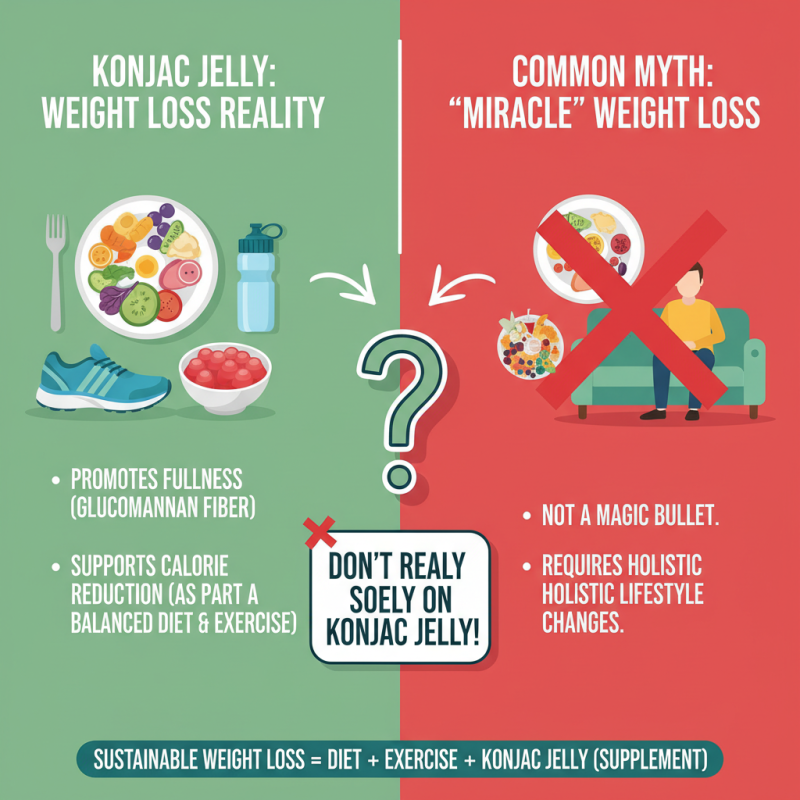
When discussing the weight loss benefits of konjac jelly, it is important to address some common misconceptions that may cloud judgment. One prevalent myth is that konjac jelly works as a miracle solution for sudden weight loss. While konjac jelly, primarily composed of glucomannan, can promote a feeling of fullness and help reduce calorie intake, it is not a magic bullet. Sustainable weight loss typically requires a holistic approach that includes a balanced diet and regular exercise. Therefore, relying solely on konjac jelly without other lifestyle changes can lead to disappointment.
Another misconception is that konjac jelly lacks nutritional value. Some might assume that because it is low in calories and mainly made up of fiber, it does not contribute any essential nutrients to the diet. In reality, konjac jelly can serve as a beneficial addition to meals, providing dietary fiber that aids digestion and promotes gut health. Additionally, incorporating it into a well-rounded diet can help individuals manage their hunger more effectively, which may support overall weight management goals. Understanding these aspects can help consumers make informed decisions regarding konjac jelly and its role in weight loss strategies.
Potential Side Effects and Considerations When Using Konjac Jelly
While Konjac jelly has gained popularity for its potential weight loss benefits, it is crucial to be aware of the potential side effects and considerations associated with its use. Research indicates that konjac, derived from the root of the konjac plant, contains glucomannan, a soluble fiber that can contribute to feelings of satiety. However, excessive consumption of glucomannan can lead to gastrointestinal issues such as bloating, gas, and diarrhea. A study published in the journal *Appetite* highlighted that overconsumption may cause adverse digestive reactions, particularly in individuals with pre-existing gastrointestinal disorders.
Furthermore, it is important to consider the product's preparation and consumption methods. Konjac jelly expands in water, which can pose a choking hazard if not consumed properly. The European Food Safety Authority (EFSA) has raised warnings about the risk of choking, especially for children and elderly individuals. Additionally, due to its high fiber content, individuals should start with small servings to gauge their body's response. People with certain medical conditions, such as esophageal narrowing or swallowing problems, should consult a healthcare professional before adding konjac jelly to their diet. Understanding these considerations can help users enjoy the benefits of Konjac jelly while minimizing potential risks.
Top 10 Benefits of Konjac Jelly for Weight Loss You Need to Know
| Benefit |
Description |
Potential Side Effects |
| Weight Management |
Helps in feeling full and reduces overall calorie intake. |
May cause bloating or gas. |
| Gut Health |
Promotes the growth of healthy gut bacteria. |
Excessive consumption can lead to diarrhea. |
| Blood Sugar Control |
Helps regulate blood sugar levels post-meal. |
Can interfere with blood sugar medications. |
| Cholesterol Reduction |
May help lower cholesterol levels in the body. |
Rapid intake can upset stomach. |
| Hydration |
Contains a high water content, aiding hydration. |
May cause dehydration if not consumed with water. |
| Low-Calorie Snacking |
A low-calorie alternative for snacks and desserts. |
Overconsumption may lead to digestive issues. |
| Versatile Usage |
Can be added to various dishes and recipes. |
None reported specifically linked. |
| Natural Source of Fiber |
Rich in dietary fiber, enhancing satiety. |
Too much fiber can cause constipation. |
| Vegetarian/Vegan Friendly |
A plant-based option suitable for vegan diets. |
N/A |
| Anti-Inflammatory Properties |
May reduce inflammation in the body. |
Unknown specific side effects. |
Embrace Healthy Eating with Organic Konjac Rice: A Perfect Keto-Friendly Option for Weight Management
Embracing healthy eating is essential for those pursuing weight management, and incorporating products like organic konjac rice can be a game-changer, especially for individuals following a keto-friendly diet. With a unique formulation derived from premium konjac flour, konjac rice stands out as a low-calorie alternative to traditional grains. Research indicates that consumers are increasingly seeking low-calorie options, with a report from the International Food Information Council showing that 75% of Americans are actively trying to manage their weight. This trend drives the popularity of innovative substitutes like konjac rice, which offers satisfaction without the excess calories.
One of the notable benefits of konjac rice is its high dietary fiber content. Soluble fiber, such as glucomannan found in konjac, has been shown to enhance digestive health and promote a feeling of fullness, significantly reducing the likelihood of snacking between meals. A study published in the Journal of Nutrition found that increased fiber intake is associated with improved weight management outcomes, as it aids in appetite control and encourages healthier eating patterns. Moreover, being sugar-free and low in fat, konjac rice ensures that you can enjoy your meals guilt-free, aligning with the growing consumer demands for healthier food choices.
As the trend towards healthier lifestyles continues to take root, incorporating alternative products like konjac rice into daily diets supports not only personal health goals but also contributes to a larger movement towards nutritious and clean eating. Choosing options that are both convenient and beneficial will facilitate the transition to healthier habits, allowing individuals to embrace a sustainable lifestyle that emphasizes wellness and vitality.
FAQS
: Konjac jelly, derived from the konjac root, is a gel-like substance rich in glucomannan, a natural dietary fiber that expands in the stomach, promoting a feeling of fullness and reducing overall calorie intake.
Konjac jelly expands in the stomach upon contact with water, which increases satiety and helps curb appetite, potentially leading to a reduction in daily caloric intake.
Yes, research has shown that participants consuming glucomannan experienced significant decreases in body weight, highlighting its effectiveness in appetite control.
Konjac jelly can be enjoyed as a snack, added to soups and smoothies, and should be consumed with plenty of water to aid digestion. A balanced diet with various fruits and vegetables can also enhance its weight loss benefits.
Excessive consumption of konjac jelly may lead to gastrointestinal issues such as bloating, gas, and diarrhea, especially in individuals with pre-existing digestive disorders.
Yes, konjac jelly can pose a choking hazard if not consumed properly, particularly for children and the elderly, as it expands in water.
It is advisable to begin with small portions to assess your body's response and to adjust as needed to achieve the desired satiety without feeling overly full.
Individuals with certain medical conditions, such as esophageal narrowing or swallowing difficulties, should consult a healthcare professional before adding konjac jelly to their diet.
Yes, konjac jelly has a low glycemic index, which means it has minimal impact on blood sugar levels, making it beneficial for managing cravings and energy levels.
Pairing the consumption of konjac jelly with regular physical activity, staying hydrated, and maintaining a balanced diet can help support sustainable weight loss and overall wellness.
Conclusion
Konjac jelly has gained popularity as a natural aid for weight loss due to its unique properties and health benefits. Understanding how Konjac jelly aids in weight management reveals its potential to promote satiety and reduce appetite, making it easier for individuals to manage their caloric intake. The science behind Konjac highlights the nutritional components, such as glucomannan, that contribute to its effectiveness in weight loss.
Incorporating Konjac jelly into a diet plan can provide effective results, but it's essential to address common misconceptions and consider potential side effects. By navigating these aspects, individuals can better utilize Konjac jelly for weight loss while ensuring a balanced approach to their overall health and wellness.

 Email
Email Whatsapp
 WeChat