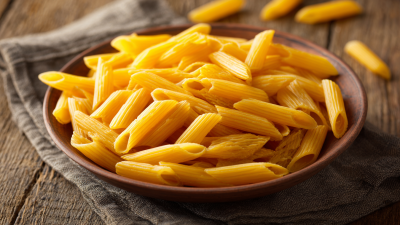
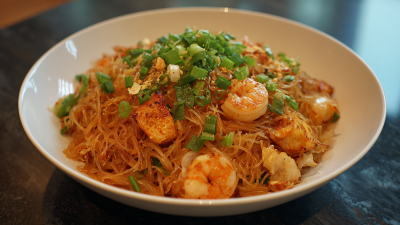
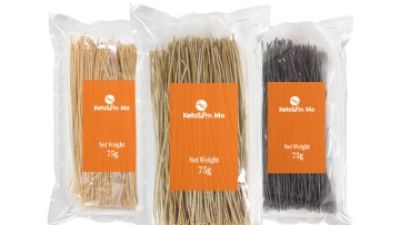
Are you craving some Italian pasta but trying to watch your carbs? Well, making delicious low carb pasta noodles at home is actually easier than you might think. With just a handful of ingredients, you can whip up pasta that hits the spot without messing up your diet. Honestly, that's the best part—making your own noodles gives you so much room to get creative. You can play around with different flavors, shapes, and experiments—no rules here!
Traditional pasta can sometimes leave you feeling pretty heavy, right? But these low carb noodles are a much lighter option. Just picture enjoying your favorite sauce over a freshly made noodle—so satisfying. That said, don’t get discouraged if your first few tries don’t turn out perfect. Getting that perfect texture might take a few attempts, but hey, that’s all part of the fun, right? Every time you try, you’re getting better.
And the best part? You’re in control—of what goes in and how you make it. Making low carb pasta at home can be really rewarding, even if things aren’t perfect the first few times. So, roll up your sleeves, and let’s jump into this fun culinary adventure. Enjoy every bite and feel good about sticking to your low carb goals!
Understanding Low Carb Pasta: Ingredients and Benefits
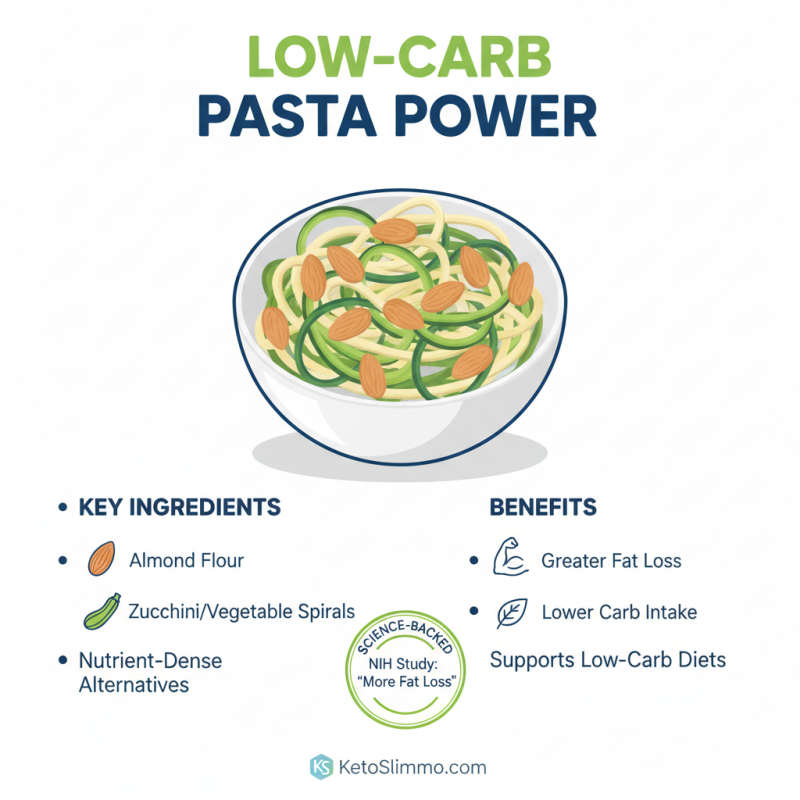
When it comes to low carb diets, understanding the ingredients in Low Carb Pasta Noodles is crucial. Many recipes replace traditional flour with alternatives like almond flour or zucchini. These ingredients provide essential nutrients while keeping carbs low. According to a study by the National Institutes of Health, low carb diets can lead to greater fat loss than high carb options.
The benefits of low carb pasta noodles extend beyond weight loss. For those managing diabetes, lower carbohydrate intake helps regulate blood sugar levels. A report from the American Diabetes Association noted significant improvements in glycemic control for individuals following a low carb plan. Plus, zucchini-based noodles pack in vitamins like A and C. However, not everyone enjoys the texture of these substitutes.
Experimenting can lead to mixed results. Sometimes, the flavor and consistency can be off. Adjusting cooking times or combining different flours can help. Not all low carb pasta noodles behave the same in recipes. This journey is about finding what works best for your palate and dietary needs. Don't be afraid to try new combinations and learn from your experiences.
Choosing the Right Low Carb Alternatives for Pasta
When it comes to making delicious low carb pasta at home, choosing the right alternatives is crucial. Zucchini noodles, or "zoodles," are a popular choice. They are light and loaded with vitamins. To create them, use a spiralizer or a simple peeler. The texture mimics traditional pasta. However, be mindful of their moisture content. Overcooking can lead to a soggy dish.
Shirataki noodles are another great option. Made from konjac root, they are virtually calorie-free. Their unique texture may not be for everyone. However, when prepared properly, they can be quite satisfying. Rinse them well and dry them before cooking. This step is key to eliminating any odd flavors.
Tips: Always season your low carb pasta alternatives well. Fresh herbs and spices can enhance their flavor. Also, keep your portions in check. Even low carb items can add up. Experiment with different sauces to find what you love. Remember, it’s all about finding the balance that works for you. Don't hesitate to make mistakes while experimenting in the kitchen. It leads to creativity and better results.
Essential Tools and Equipment for Homemade Low Carb Noodles
Making low carb pasta is an exciting kitchen adventure. Success starts with the right tools and equipment. You'll need a good quality mixing bowl, a rolling pin, and a sharp knife. A pasta machine can elevate your results, but it’s not mandatory. The key is to ensure your dough is pliable.
When creating Custom Pasta Noodles Low Carb, consider these essentials. A digital scale can help you accurately measure ingredients. A non-stick mat will make rolling easier and protect your surfaces. High-protein flour varieties, such as almond flour, are popular choices. They provide low carb options while maintaining texture.
According to industry reports, low carb diets continue to rise in popularity, with a 30% increase in searches for low carb recipes over the past year. However, many home cooks struggle with achieving the right consistency. Experimenting with ratios can be frustrating. Some trials might yield a dough that’s too sticky or crumbly. Adjusting your technique with patience is crucial. The art of making low carb pasta is about finding balance and personal preference.
How to Make Delicious Low Carb Pasta Noodles at Home? - Essential Tools and Equipment for Homemade Low Carb Noodles
| Tool/Equipment |
Description |
Purpose |
Estimated Cost ($) |
Tips |
| Pasta Maker |
Manual or electric device to roll and cut pasta dough. |
To shape the dough into thin sheets or noodles. |
50 - 200 |
Choose one with adjustable thickness settings. |
| Mixing Bowl |
A large bowl for mixing ingredients. |
To combine low carb flours and other ingredients. |
10 - 30 |
Opt for a non-slip base for stability while mixing. |
| Rolling Pin |
Cylinder used to flatten dough. |
To achieve the desired thickness of the pasta dough. |
15 - 40 |
Choose a lightweight model for easy handling. |
| Sharp Knife or Pasta Cutter |
A blade for cutting the pasta into strips. |
To create various shapes of pasta. |
5 - 25 |
Use a knife that holds an edge for a clean cut. |
| Cooking Pot |
A large pot for boiling water to cook pasta. |
To boil the pasta after cutting. |
20 - 60 |
Ensure it has a lid for faster boiling. |
Step-by-Step Guide to Preparing Low Carb Pasta Dough
Making low carb pasta at home can be a rewarding experience. It allows you to control ingredients and flavors. According to a report by the International Journal of Food Sciences, low carb diets can reduce weight by up to 8% over six months. This motivates many people to try making pasta alternatives.
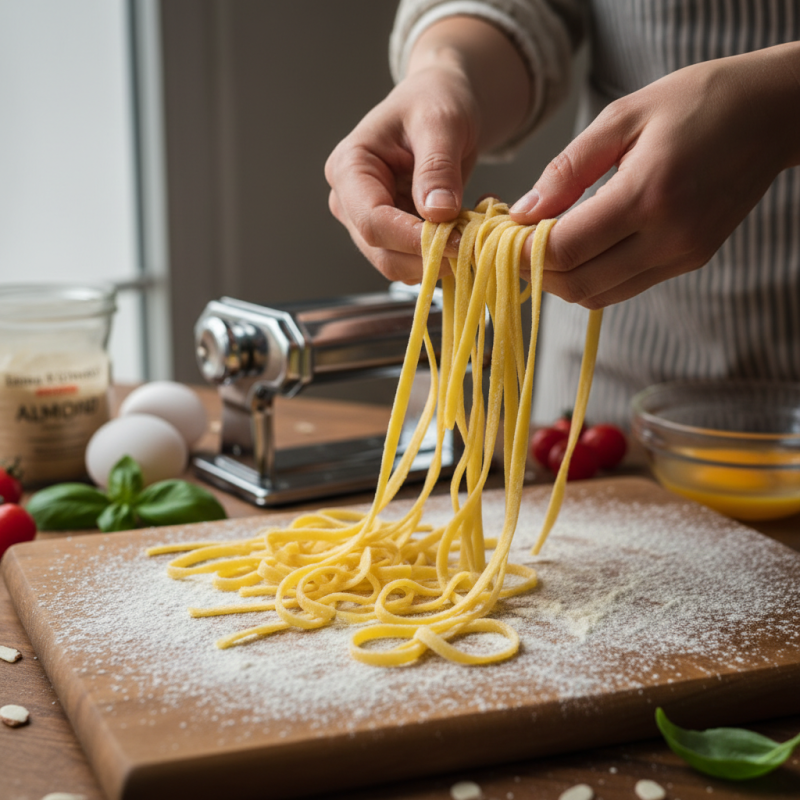
To prepare the dough, start with alternative flours. Almond flour is a great choice. Combine it with egg and a pinch of salt. Mix well until you achieve a doughy consistency. It may stick to your fingers initially. Adjust with a bit more flour. Remember, practice makes perfect.
Tips: If the dough feels too dry, add a tiny splash of water. If it's too wet, sprinkle in more flour. Use a rolling pin to flatten the dough evenly. You may find that rolling it out can be tricky. Uneven thickness can affect cooking times. Cut the dough into your preferred noodle shapes.
With many people adopting low carb diets, making your pasta becomes essential. According to health statistics, over 30% of adults are trying to reduce carb intake. Experimenting with flavors can help reduce boredom. Don't hesitate to tweak the recipe as necessary. Each batch can be a unique journey.
Shaping and Cutting Techniques for Low Carb Noodles
Creating low carb pasta noodles at home can be fun and rewarding. The key is in the shaping and cutting techniques. When making the dough, feel free to experiment with different ingredients. Almond flour or zucchini can be great bases. For a smoother texture, blend everything well. Yet, don’t be surprised if it feels too sticky. This is common, and adjusting flour or moisture can help.
To shape the noodles, try rolling the dough into thin sheets. A rolling pin works wonders, but a pasta maker can save time. Once you have your sheets ready, cutting them into strips can be tricky. Use a sharp knife for clean edges. If the strips aren't perfect, that’s okay! Each piece adds its character. For fettuccine, cut wider strips. For spaghetti, go thinner.
After cutting, separate the noodles gently. They can stick together, and that’s frustrating. Dusting with a little extra flour might prevent this. Cooking can be an adventure too. Test the noodles for doneness! They may need less time than regular pasta. Keep an eye on them, and take notes on what works. Each batch can teach you something new. Enjoy the process, even when it’s not perfect.
Cooking Methods for Low Carb Pasta: Boiling vs. Baking
When making low carb pasta, choose your cooking method wisely. Boiling is a traditional approach. It makes noodles soft and easy to eat. To boil, bring water to a rolling boil. Add the low carb noodles carefully. Cook them just until tender, usually a few minutes. Be watchful; overcooking can ruin your efforts.
Baking offers a different texture and flavor. Preheat your oven first. Spread the cooked noodles on a baking tray. Drizzle olive oil, and sprinkle salt or herbs for extra taste. Bake until they turn slightly crispy. This method can be less forgiving. You may end up with unevenly cooked noodles if not careful.
Experimenting is key. You can mix boiling and baking for unique results. For example, boil noodles briefly, then bake them. Many enjoy this hybrid approach. It could appeal to those seeking Wholesale Pasta Noodles Low Carb. Finding what works for you may take some time. Don't hesitate to tweak the methods. Each try is a new chance for improvement!
Serving Suggestions and Sauce Pairings for Low Carb Pasta Dishes
When preparing Custom Low Carb Pasta Noodles, pairing them with the right sauce can elevate your meal. A creamy garlic alfredo pairs beautifully with zucchini noodles, bringing richness without the carbs. Simply sauté garlic in olive oil, add heavy cream, and finish with parmesan. Pour this over your pasta for a comforting dish that feels indulgent.
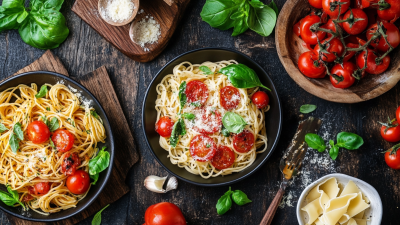
For something lighter, consider a tomato basil sauce. Fresh tomatoes, garlic, and basil create a vibrant topping. Sauté together for a few minutes. This sauce works well with spaghetti alternatives made from shirataki or palmini. Remember, the freshness of the ingredients makes a significant difference.
Don’t overlook toppings; they add texture and flavor. Try roasted vegetables or sautéed mushrooms to enhance your meal. A sprinkle of nuts or seeds can add a satisfying crunch. Experiment with different combinations. It might take a few attempts to find the perfect match. Embrace the journey, and you might discover a new favorite low carb dish.
Innovative and Healthy Eating: Discover the Benefits of Wholesale Customized Low-Calorie Soy Flavored Dry Noodles
In today's health-conscious world, consumers are increasingly seeking innovative and nutritious food options. Our low-calorie soy-flavored dry noodles represent a significant advancement in the realm of healthy eating. Made from premium soy flour, these noodles encapsulate the rich, original flavor of beans while providing the versatility of traditional dry noodles. With a calorie count that supports weight management, they allow individuals to enjoy hearty meals without guilt. Reports indicate that an increasing number of consumers are shifting towards plant-based diets, with 38% of U.S. adults incorporating more plant-based options into their meals, highlighting the growing demand for nutritious alternatives.
What sets these soy-flavored dry noodles apart is not only their low calorie content but also their high nutrient profile. They are packed with essential vitamins and minerals, making them an excellent choice for those looking to enhance their dietary intake. The unique texture of the noodles enables them to be used in a variety of culinary applications—from vibrant stir-fries to refreshing salads. Such versatility is crucial, especially as the global soup and noodle market is expected to grow substantially, projecting a compound annual growth rate (CAGR) of 4% through 2026.
Moreover, we prioritize quality assurance, ensuring that every batch of our low-calorie noodles meets stringent quality standards, with ISO, HACCP, BRC, HALAL, and FDA certifications. With a focus on health and taste, our noodles offer consumers a delicious way to embrace healthy eating. We are excited to extend an invitation for you to try our free samples and discover the delightful possibilities that our soy-flavored dry noodles can bring to your dining experience.
FAQS
: Define the project goals clearly. Identify the resources needed. Create a timeline for completion.
Open communication helps. Listen to all sides. Seek common ground to resolve issues.
Assess the reasons for the delay. Communicate with stakeholders. Create a revised timeline.
Recognize individual contributions. Set achievable goals. Provide opportunities for growth and learning.
Scope creep can derail plans. Poor communication affects progress. Lack of resources often hinders success.
Prioritize tasks based on urgency. Use tools to track progress. Break work into smaller, manageable steps.
Yes, many experience this. Identifying stressors is key. Taking breaks can refresh your mind.
Feedback fosters improvement. It helps identify areas needing change. Constructive input encourages personal and team growth.
Regular check-ins keep everyone aligned. Adjust plans based on progress. Celebrate milestones, even small ones.
Address the issue directly. Understand their challenges. Offer support and resources to encourage involvement.
Conclusion
This article provides a comprehensive guide on how to make delicious Low Carb Pasta Noodles at home, catering to health-conscious individuals seeking alternatives to traditional pasta. It begins by outlining the essential ingredients and benefits of low carb options, which can help maintain a healthier diet without sacrificing flavor.
Additionally, the article delves into selecting the right alternatives for pasta and the essential tools required for making homemade noodles. A detailed step-by-step guide walks readers through preparing the pasta dough, as well as techniques for shaping and cutting the noodles. Moreover, it discusses various cooking methods, such as boiling and baking, and offers serving suggestions and suitable sauce pairings, ensuring that everyone can enjoy flavorful low carb pasta dishes.

 Email
Email Whatsapp
 WeChat