You know, over the past few years, we've really seen a big jump in the
global market for sustainable high fiber diet foods.
It's wild – more and more people are becoming aware of health and wellness, which is driving this trend.
According to a report from Grand View Research,
it's projected that the global dietary fiber market is gonna hit around
6.65 billion dollars by 2025, growing at a steady rate of about
14.5% each year.
This is especially exciting for companies like Huizhou Zhongkaixin Food Co., Ltd.
They're all about konjac health food!
With more than a decade of experience in the konjac food game,
they bring innovative technology to the table, allowing them to create
high-fiber products that are not just healthy, but also good for the planet.
As folks are leaning more towards healthier eating habits,
konjac-based high fiber diet foods are really carving out a niche.
It's a great opportunity for growth, especially with the rising demand
for plant-based options and functional foods.
Doesn’t that just make you think about what’s on your plate?
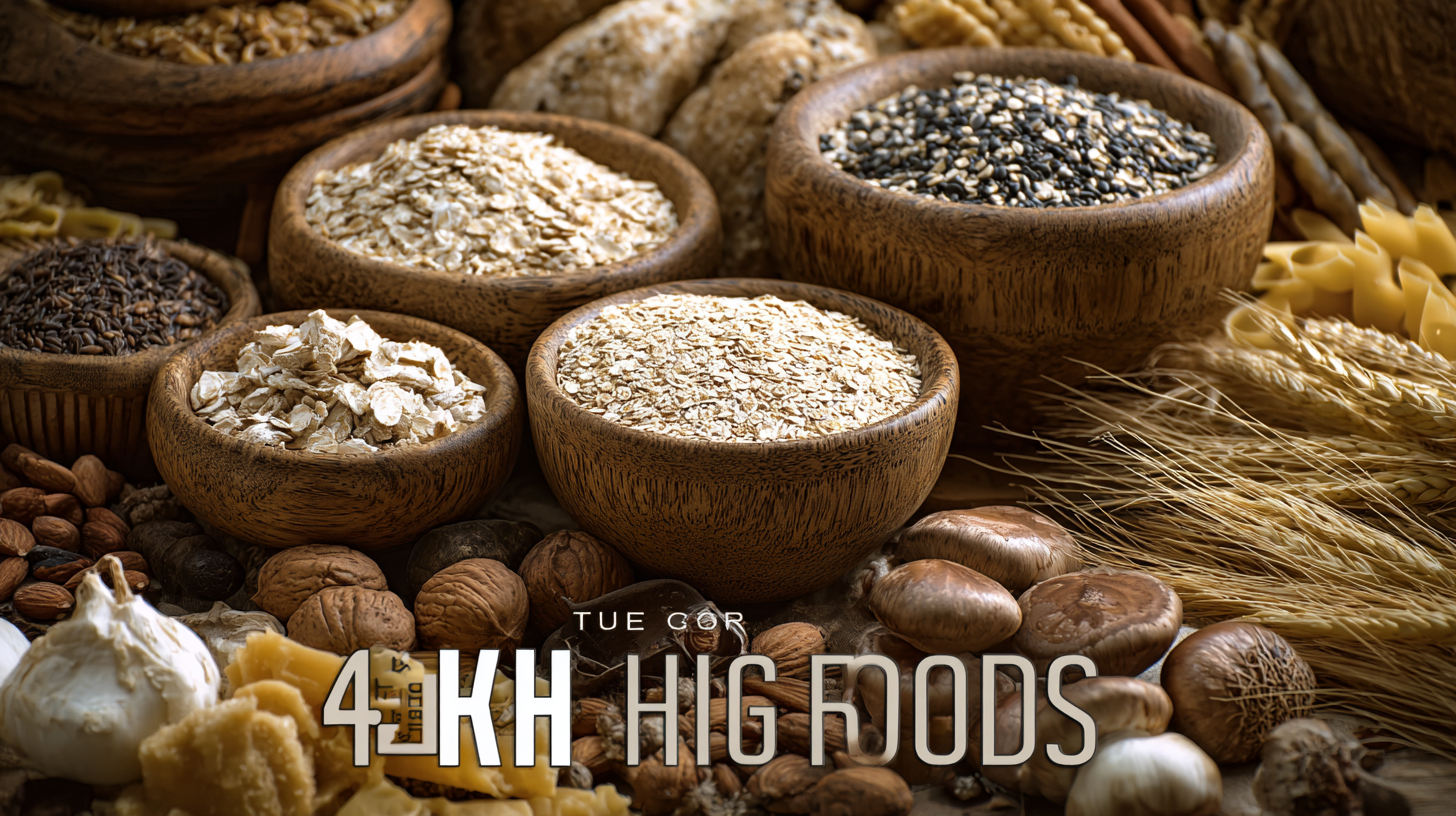
Emerging Trends in Sustainable High Fiber Food Production
You know, there’s been this noticeable shift towards sustainable high-fiber diets worldwide, and it’s really picking up speed. It seems like more and more people are becoming aware of the amazing health benefits and the impact on our environment. I just read this report from Market Research Future that predicts the global high-fiber food market could hit a whopping $59.93 billion by 2027! That’s a solid growth rate of about 8.86% from 2020 to 2027. Folks are definitely leaning towards products that not just help keep their digestion in check but also fit into more sustainable lifestyles.
And here’s something interesting: there’s this trend popping up in high-fiber food production that involves using underutilized crops and by-products. For example, the food industry is finally catching on to things like chickpea flour and flaxseed, which are packed with fiber and, bonus, help cut down on food waste! A study from the Food and Agriculture Organization (FAO) pointed out that tapping into these kinds of resources can really make a dent in our environmental footprints while also meeting the nutritional needs of an ever-growing global population.
As brands get creative with high-fiber products, you can bet that their approach to sourcing things sustainably and how they produce them will be super important for keeping up with the competition and winning over consumers.
Innovative Ingredients Revolutionizing High Fiber Diets
The landscape of high-fiber diet foods is undergoing a transformative shift, driven by innovative ingredients that are redefining what consumers expect from their nutrition. With the global whole grain and high-fiber foods market expected to surge from USD 46.33 billion in 2025 to over USD 114.8 billion by 2035, it’s clear that there’s an increasing demand for clean-label and functional nutrition products. This trend is spurred by heightened awareness of health benefits associated with fiber, particularly in areas like diabetes management and cancer care outcomes. As the diabetic food market is projected to reach $24.86 billion by 2033, the intersection of high-fiber foods and specialized diets showcases the growing emphasis on tailored nutritional solutions.
Moreover, innovations in high-fiber ingredients are making these products more appealing, especially to younger audiences. Research indicates that high-fiber foods can enhance nutrient absorption and promote the release of appetite-suppressing hormones, which are crucial for weight management and overall health. Companies are now focusing on making fiber-rich foods more palatable, with efforts to introduce exciting options like high-protein pastas and nostalgic high-fiber cereals aimed at engaging children. Huizhou Zhongkaixin Food Co., Ltd. stands at the forefront of this movement, leveraging over a decade of expertise in konjac health foods to deliver products that resonate with health-conscious consumers seeking flavorful, nutritious options.
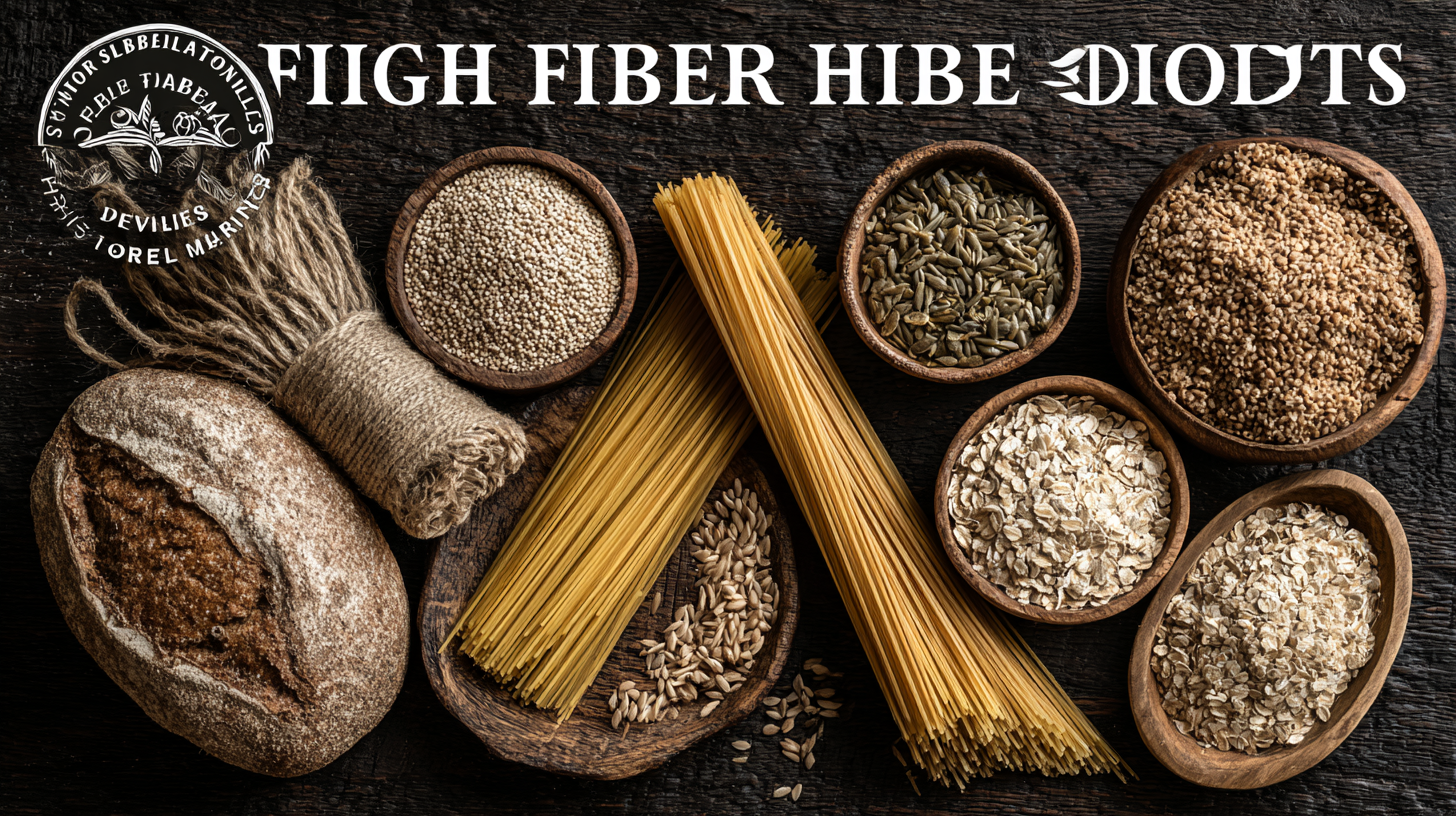
Consumer Awareness and Demand for Sustainable Food Choices
You know, as we all become more aware of health and sustainability, it's no surprise that people are really on the lookout for food choices that match their values. The market for high-fiber foods, especially those plant-based options like konjac, is really taking off. I recently came across a market research report from Allied Market Research, and it predicts that the global konjac market will hit a whopping $1.01 billion by 2026! They estimate a compound annual growth rate of 9.2% from 2019 to 2026—pretty impressive, right? This trend really shows how much people want sustainable, high-fiber products that not only help them lead healthier lives but also reduce their impact on the environment.
At Huizhou Zhongkaixin Food Co., Ltd., we’re right in the middle of this exciting wave, drawing on over ten years of experience in the konjac food world. We’re super committed to creating top-notch, sustainable konjac products that not only meet what consumers are asking for but also contribute to that bigger shift toward healthier eating. And you know what? People are now more open to spending a bit more on transparency and sustainability. As folks start to see the health perks of konjac—like helping with weight management and boosting digestive health—we’re all set to cater to this growing demand with some cool, health-focused options that really click with today’s mindful shoppers.
The Future of Sustainable High Fiber Diet Foods in Global Markets - Consumer Awareness and Demand for Sustainable Food Choices
| Country |
Consumer Awareness (%) |
Demand for Sustainable Foods (%) |
Growth Rate of High Fiber Products (%) |
Market Share of High Fiber Foods (%) |
| USA |
78 |
65 |
10 |
25 |
| Germany |
75 |
60 |
8 |
21 |
| Brazil |
70 |
55 |
12 |
15 |
| China |
80 |
70 |
15 |
30 |
| India |
65 |
50 |
20 |
10 |
Challenges and Opportunities in Global Market Integration
You know, the global market for high-fiber foods is really on the rise, and it's all thanks to a growing number of people paying more attention to their health and wellness. A report from the Global Organization for Fiber Excellence says that by 2025, the demand for high-fiber products is set to hit a whopping $12 billion, which means we're looking at a compound annual growth rate of about 8%. But don't think this growth is going to be a walk in the park! There are definitely some hurdles to jump over. For example, just getting these products into different countries can be tricky because of varying tastes and different regulations. Take the European Union, for instance – their strict food labeling rules can really throw a wrench into the works for exporters bringing in high-fiber goods from outside their borders. It's like trying to solve a really complicated puzzle with all those compliance issues.
And let's not forget about the supply chain, which has its own set of ups and downs when it comes to integrating high-fiber foods. According to the Food and Agriculture Organization, around 30-40% of crops that are rich in fiber go to waste because of poor logistics and storage practices. If we can tackle these inefficiencies with better technology and smarter, more sustainable methods, there’s definitely a chance for businesses to tap into new market opportunities. Companies that are willing to innovate in these areas aren’t just improving availability; they're also making a name for themselves as leaders in the sustainable food movement. So yeah, for businesses in this field, it’s crucial to collaborate and invest in sustainability practices if they really want to seize the full potential of the high-fiber market on a global scale.
Future Technologies Enhancing High Fiber Food Development
You know, as more and more people are looking to eat sustainably and get that high fiber in their diets, some really cool tech is stepping in to help make it happen. I mean, just look at how food processing has evolved! Techniques like extrusion and fermentation are totally changing the game on how we use raw ingredients.
For instance, through fermentation, not only do we get to boost the fiber content by breaking down those tough compounds, but the taste and digestibility also improve—making those high fiber foods way more appetizing for everyone.
And it doesn’t stop there! We’ve got artificial intelligence and machine learning shaking things up in the food industry too.
These tools let food companies really dig into what consumers want and spot the latest dietary trends. So, they can whip up high fiber products that really hit the mark, tailored to what people like. It’s like brands are using all this data to create stuff that not only packs a nutritional punch but also tastes great, which is awesome for creating a more sustainable and health-aware market.
Honestly, with all these advancements, the future’s looking pretty bright for high fiber diet foods, and it’s setting the stage for healthier, more sustainable eating habits around the world.
The Role of Policy in Shaping Sustainable Food Systems
You know, the role that policy plays in shaping sustainable food systems is super important, especially now that more people are looking for high-fiber foods around the world. Governments have a unique power to steer food production and consumption in the right direction through policies that encourage sustainable farming approaches. For example, by giving farmers incentives to focus on growing whole grains, legumes, and other fiber-rich crops, we can really make strides towards healthier food options. Take organic farming for instance: those subsidies not only help protect biodiversity but also boost the production of high-fiber foods, which makes them easier for all of us to find in stores.
And there's more! Regulatory frameworks can help create transparency and sustainability throughout supply chains. With proper labeling and nutrition guidelines, policymakers can really get the word out about the benefits of a high-fiber diet. This not only helps consumers make smarter choices but also shifts market demand towards more sustainable food options. Plus, there are policies aimed at cutting down food waste, which can definitely help get more fiber-rich products into the hands of consumers instead of heading to landfills. In the end, if we want to guide both producers and consumers towards a healthier and more sustainable food landscape, effective policy implementation is going to be key.
FAQS
: The growth is being driven by an increasing demand for clean-label and functional nutrition products, heightened awareness of health benefits, and the anticipated rise in the diabetic food market.
Companies are focusing on improving the taste and variety of high-fiber foods by introducing options like high-protein pastas and nostalgic cereals that engage younger audiences.
High-fiber foods can enhance nutrient absorption, promote the release of appetite-suppressing hormones, aid in weight management, and contribute to better management of conditions like diabetes.
The global konjac market is projected to reach $1.01 billion by 2026, with a compound annual growth rate (CAGR) of 9.2% from 2019 to 2026.
Yes, consumers are increasingly willing to pay a premium for products that are transparent, sustainable, and environmentally friendly.
The company leverages over a decade of expertise in konjac health foods to produce high-quality, sustainable products that meet the demand for healthier eating habits.
There is a growing emphasis on tailored nutritional solutions, particularly in diabetic diets and other specialized diets that benefit from high-fiber foods.
Consumers are becoming more aware of health and sustainability issues, leading them to seek food options that align with their values and support a healthier lifestyle.
High-fiber foods aid in improving digestive health by promoting regular bowel movements and enhancing the overall functioning of the digestive system.
Konjac, being high in fiber, can help in weight management by promoting a feeling of fullness and reducing overall calorie intake.
 Email
Email Whatsapp
 WeChat