Lately, there’s been a real buzz around incorporating high-fiber foods into our daily diets, and it’s not just among health nuts — even professionals are catching on. You know, some pretty eye-opening research from the American Journal of Clinical Nutrition shows that eating plenty of fiber can actually lower your risk of things like heart disease and diabetes. Plus, it helps with weight loss too. Honestly, it just makes sense — high-fiber foods improve your digestion, help you feel full longer, and can really make a difference when you’re trying to manage your weight.
I remember Dr. Linda G. Snetselaar mentioning that boosting your fiber intake isn’t only about dropping pounds — it’s about living a healthier, happier life overall. She really points out how these fiber-rich foods aren’t just for slimming down; they actually help prevent all sorts of health issues down the line. As more people look for ways to eat smarter without feeling deprived, adding these nutrient-packed foods into the mix seems more important than ever. If you focus on fiber-rich options, not only can you hit your weight goals, but you also set yourself up for better long-term health. It’s kinda like hitting two birds with one stone, right?
Understanding the Importance of a High Fiber Diet for Health
A high fiber diet plays a crucial role in maintaining overall health and facilitating weight loss. Dietary fiber, found in fruits, vegetables, whole grains, and legumes, is instrumental in promoting healthy digestion. It aids in regulating bowel movements and preventing constipation, which can significantly enhance gastrointestinal health. Additionally, fiber helps stabilize blood sugar levels by slowing the absorption of sugar, leading to reduced cravings and more controlled eating behaviors. This is particularly beneficial for individuals looking to lose weight, as it fosters a feeling of fullness with fewer calories.
Moreover, the importance of a high fiber diet extends beyond gastrointestinal benefits. Research has shown that adequate fiber intake can lower the risk of chronic diseases such as heart disease, type 2 diabetes, and certain types of cancer. Fiber-rich foods typically contain fewer calories and essential nutrients that support heart health. By including a variety of high fiber foods in daily meals, individuals not only improve their digestive function but also enhance their overall well-being, making it an integral part of a healthy lifestyle aimed at weight management.
High Fiber Diet Impact on Health and Weight Loss
Types of High Fiber Foods to Include in Your Diet
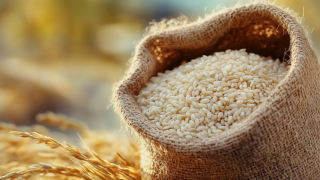
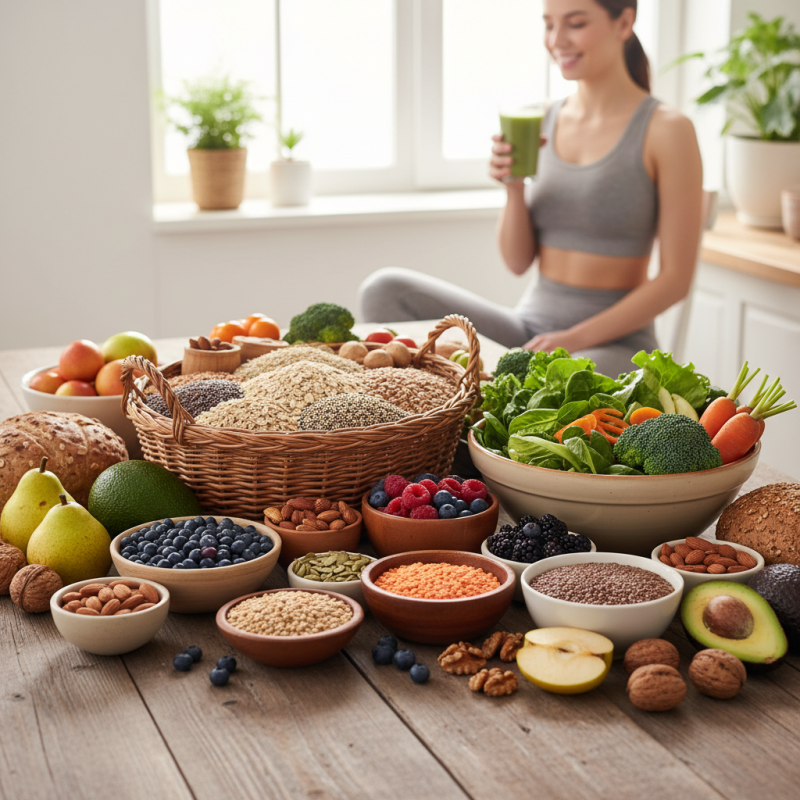
Incorporating high fiber foods into your diet is a fantastic way to boost overall health and support weight loss. High fiber foods can help you feel fuller for longer, reducing the likelihood of overeating. Among the best types of high fiber foods to include are whole grains, fruits, vegetables, legumes, and nuts. Whole grains like brown rice, quinoa, and oats are excellent sources of fiber, providing sustained energy and promoting healthy digestion.
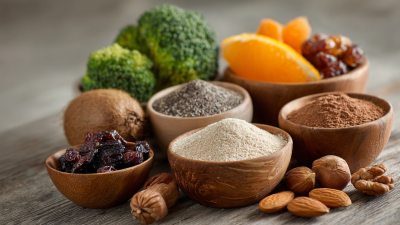
Another great source of fiber comes from fruits and vegetables. Berries, apples, bananas, and pears are particularly high in fiber, while vegetables like broccoli, carrots, and leafy greens add more nutrients to your meals. Legumes such as lentils, chickpeas, and black beans not only pack a fiber punch but are also rich in protein, making them an ideal food choice for various diets. Nuts and seeds like almonds, chia seeds, and flaxseeds can also contribute to your daily fiber intake while providing healthy fats.
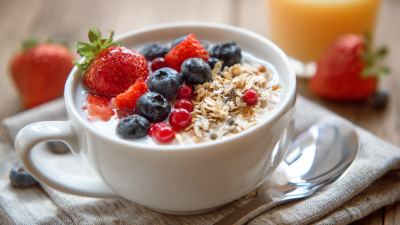
Tips for integrating these foods into your meals include starting the day with a bowl of oatmeal topped with fresh fruit, choosing whole-grain bread instead of white, and incorporating a variety of vegetables into your lunches and dinners. Snacking on raw veggies, fruits, or a handful of nuts can also make a significant difference in achieving your fiber goals while keeping your hunger in check.
Daily Fiber Intake Recommendations for Weight Loss
A high-fiber diet plays a crucial role in weight management and overall health. The recommended daily fiber intake for adults is 25 grams for women and 38 grams for men, according to the Institute of Medicine. However, statistics show that most Americans consume only about 15 grams per day. This shortfall can contribute to increased hunger and overeating, as fiber is known for its ability to promote satiety. By incorporating more fiber-rich foods into the diet, individuals can help control their appetite and make healthier food choices.
To effectively increase fiber intake, aim to include a variety of whole foods such as fruits, vegetables, legumes, and whole grains in your meals. For instance, pears and raspberries are excellent sources of dietary fiber, with a medium pear offering around 5.5 grams, while a cup of raspberries contains over 8 grams. Additionally, beans like black beans and lentils provide nearly 15 grams per cooked cup.
Research published in the Journal of Nutrition suggests that higher fiber consumption is linked with reduced body weight and waist circumference, highlighting the importance of these foods in a weight loss strategy. By gradually increasing fiber intake, individuals can not only enhance their health but also support their weight loss goals.
Creative Ways to Add Fiber to Your Meals
Incorporating high-fiber foods into your diet can be a delicious and creative adventure. According to the Academy of Nutrition and Dietetics, fiber not only aids in digestion but also plays a key role in weight management. The daily recommended intake of fiber is 25 grams for women and 38 grams for men, yet most people consume only about 15 grams daily. To bridge this gap, start by integrating fiber-rich ingredients like lentils, quinoa, and chia seeds into your meals. These not only boost fiber content but also add unique textures and flavors.
Consider adding a handful of beans or lentils to salads and soups. This simple addition can increase fiber intake significantly while enhancing protein levels. Another creative approach is to use vegetables like cauliflower or zucchini as a base for rice or pasta dishes; cauliflower rice alone has about 2 grams of fiber per cup. Finally, incorporating fruits like raspberries or pears as snacks or dessert will not only sweeten your day but also contribute an impressive amount of fiber — with raspberries delivering around 8 grams per cup. By exploring these innovative ways to boost fiber, you’ll reap the health benefits while enjoying a diverse and satisfying diet.
Cooking Tips for Preparing High Fiber Foods
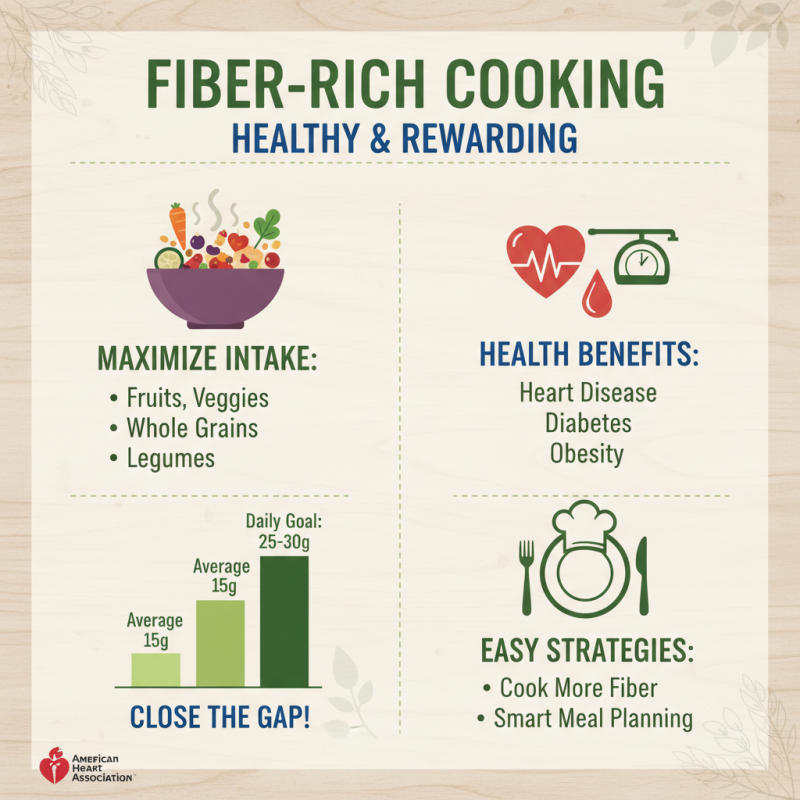
Cooking high fiber foods can be an enjoyable and rewarding experience, providing benefits not only for health but also for weight loss. To maximize fiber intake, focus on incorporating a variety of fruits, vegetables, whole grains, and legumes into your meals. According to the American Heart Association, a diet high in fiber can help reduce the risk of heart disease, diabetes, and obesity. For adults, the recommended daily intake of fiber is approximately 25 to 30 grams, but most only consume about 15 grams. This gap can be effectively addressed by altering cooking methods and meal planning.
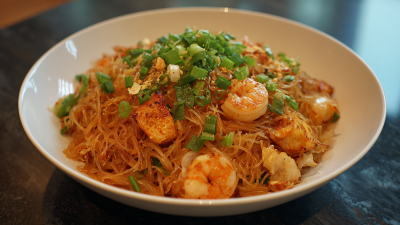
When preparing high fiber foods, consider several cooking tips to preserve their nutritional value while enhancing their taste. Steaming vegetables instead of boiling can retain more nutrients, as water-soluble vitamins are often lost during cooking. A study published in the Journal of Nutrition found that steaming can keep up to 90% of soluble fiber intact. Similarly, using whole grains like quinoa and brown rice in salads or stir-fries adds not only fiber but also a unique texture and flavor profile. Incorporating legumes, such as lentils and chickpeas, into soups and stews is another excellent way to increase fiber content. These ingredients can significantly boost the nutritional profile of dishes while providing satisfying, hearty meals that support weight management.
Experimenting with herbs and spices can also elevate the flavor of high fiber foods without adding unnecessary calories. For instance, adding garlic, ginger, or fresh herbs can make vegetables more appetizing, encouraging greater consumption. A study conducted by the Harvard School of Public Health highlights that flavoring foods appropriately can lead to increased vegetable intake, which is vital for reaching those fiber goals. By using thoughtful cooking methods and flavorful seasonings, you can create delicious high fiber meals that promote better health and assist in weight loss.
Common Mistakes When Switching to a High Fiber Diet
When transitioning to a high-fiber diet, many individuals make common mistakes that can undermine their health and weight loss goals. One prevalent issue is the sudden increase in fiber intake without allowing the body to adjust. The Academy of Nutrition and Dietetics recommends gradually increasing fiber consumption by about 5 grams per day until reaching the recommended daily intake of 25 grams for women and 38 grams for men. Jumping to high fiber foods instantly can lead to digestive discomfort, bloating, and gas, as the gut microbiome requires time to adapt to the new levels of fiber.
Another frequent pitfall is neglecting hydration. Fiber works best when paired with adequate fluid intake, as water helps to transport fiber through the digestive system and prevent constipation. A study published in the Journal of Nutrition highlighted that individuals consuming a high-fiber diet alongside sufficient hydration experience significantly improved digestive health. In contrast, those who overlook this critical aspect often experience the opposite outcome, which can discourage continued adherence to a fiber-rich diet. To optimize the benefits, it's vital to pair high-fiber foods with plenty of water while monitoring the body's response to gradual changes in diet.
Monitoring Your Progress: Health Benefits of Increased Fiber Intake
Increasing dietary fiber is widely recognized for its numerous health benefits, particularly for weight management and overall well-being. According to the American Heart Association, a diet high in fiber—specifically soluble and insoluble fiber—can help lower cholesterol levels, manage blood sugar, and improve digestive health. By incorporating foods rich in fiber, such as fruits, vegetables, whole grains, and legumes, individuals can experience feelings of fullness, which may lead to reduced calorie intake. Studies show that a high fiber diet may help with long-term weight maintenance; adults who consume a greater amount of fiber tend to have lower body weight over time compared to those with a fiber-deficient diet.
Monitoring your progress after increasing fiber intake is essential to reaping its health benefits. Research published in the Journal of Nutrition indicates that higher fiber consumption is linked to a lower risk of chronic diseases, such as type 2 diabetes and heart disease. Notably, a study revealed that adults who increased their fiber intake to 30 grams per day showed significant improvements in insulin sensitivity and blood glucose levels within just a few weeks. Keeping a journal to track daily fiber intake can enhance awareness and motivate individuals to meet dietary goals. This practice not only fosters healthier eating habits but also serves as a crucial step in evaluating the positive impacts of dietary changes on overall health and weight loss efforts.
FAQS
: A common mistake is suddenly increasing fiber intake without allowing the body to adjust, which can lead to digestive discomfort, bloating, and gas.
It is recommended to gradually increase fiber consumption by about 5 grams per day until reaching the recommended daily intake of 25 grams for women and 38 grams for men.
Adequate hydration helps transport fiber through the digestive system and prevent constipation, optimizing the benefits of a high-fiber diet.
Increasing dietary fiber can lower cholesterol levels, manage blood sugar, improve digestive health, and support weight management.
Foods rich in fiber, such as fruits, vegetables, whole grains, and legumes, can lead to feelings of fullness, which may reduce overall calorie intake.
Higher fiber intake is linked to a lower risk of chronic diseases, such as type 2 diabetes and heart disease.
Keeping a journal to track daily fiber intake can enhance awareness, motivate dietary goals, and help evaluate the positive impacts of dietary changes.
Adults who increased their fiber intake to 30 grams per day showed significant improvements in insulin sensitivity and blood glucose levels within a few weeks.
Individuals should incorporate foods rich in fiber, including fruits, vegetables, whole grains, and legumes.
Monitoring the body's response to gradual changes in diet and pairing high-fiber foods with plenty of water can enhance adaptation and comfort.
Conclusion
Incorporating High Fiber Diet Foods into your daily meals is essential for enhancing overall health and supporting weight loss. A high-fiber diet aids in digestion, promotes satiety, and can help regulate blood sugar levels. To achieve optimal benefits, it's crucial to understand the type of foods to include, such as fruits, vegetables, legumes, and whole grains. Daily fiber intake recommendations suggest aiming for 25-30 grams, depending on individual health goals.
To creatively add fiber to your diet, consider incorporating high-fiber ingredients into smoothies, soups, and salads, and explore various cooking methods that preserve fiber content. Be mindful of common pitfalls like sudden dietary changes, and keep track of your progress to fully realize the health advantages of increased fiber intake. By embracing these strategies, you can successfully transition to a high-fiber diet and enjoy the many benefits it provides.

 Email
Email Whatsapp
 WeChat