These days, more and more people are really paying attention to their health, so it’s no surprise that the demand for 'sugar-free foods' has shot up worldwide. I read a recent report from the International Food Information Council, and it turns out that about 70% of folks are actively trying to cut down on sugar. That kind of trend is definitely pushing the food industry to get more creative.
At Huizhou Zhongkaixin Food Co., Ltd., we’ve been working in the konjac food space for over ten years, and we’re right there riding this wave. We’re all about highlighting the benefits of konjac—like how it’s low in calories and packed with fiber—which fits perfectly with what people are looking for: tasty, healthy, sugar-free options.
By using the latest tech and our deep knowledge of konjac, we’re aiming to develop products that not only taste great but also support a healthier lifestyle, especially in a market where sugary snacks are everywhere.
Examples of Innovative Sugar-Free Snacks: A Global Perspective
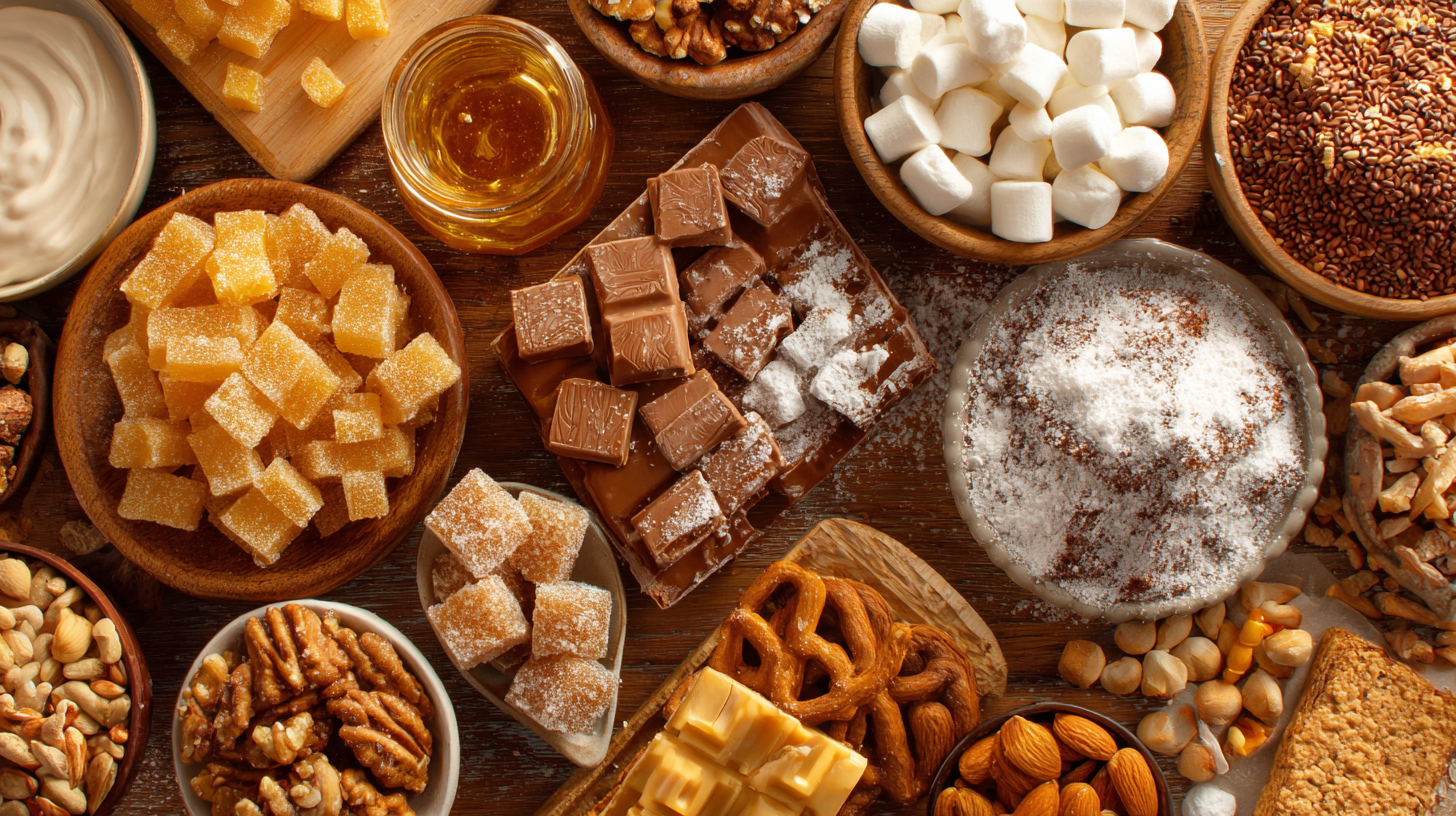
Lately, sugar-free snacks are really starting to catch on around the world, especially as more folks look for healthier options that don’t sacrifice flavor. You’ve got everything from crunchy kale chips in the US to exotic coconut chips in Southeast Asia – there’s actually such a cool variety of innovative sugar-free treats that appeal to all kinds of tastes. Plus, many of these snacks not only spotlight local ingredients but also pack a punch nutritionally—giving you energy without that all-too-familiar sugar crash.
When you're checking out new sugar-free snack options, it’s a good idea to read the ingredient labels carefully. Try to pick ones that use natural sweeteners like stevia or erythritol instead of artificial ones—they just tend to taste better and be healthier. Also, don’t forget—you can always whip up some tasty snacks at home! Mixing nuts, seeds, and dried herbs can be super satisfying and customizable. And if you’re feeling adventurous, why not try recipes from around the world? Think protein-packed chickpea snacks from the Middle East or crispy seaweed chips from Japan—each one offers a unique flavor experience that’s perfect for keeping your snacks interesting while supporting a healthier living style.
The Rise of Sugar-Free Beverages: Market Trends and Consumer Demand
Lately, you’ve probably noticed that sugar-free drinks are really taking over the beverage scene worldwide. It's like everyone’s looking for healthier options these days. As more folks become aware of how too much sugar can be bad for their health, they’re turning to drinks that taste great but without the guilt. You see lots of new, innovative sugar-free options popping up—things like sparkling waters infused with all-natural flavors or herbal teas designed to suit just about any taste. Brands aren’t just playing around with flavors—they’re also investing in eye-catching packaging and smart marketing that really speaks to health-conscious consumers like you and me.
And honestly, the growth rate for these drinks is pretty impressive. With more people choosing low-sugar or no-sugar diets, manufacturers are pouring money into research to come up with tasty, appealing options that don’t sacrifice flavor. The rise of natural sweeteners like stevia and monk fruit is also a big deal—they give us that touch of sweetness we crave, but with cleaner labels and fewer artificial ingredients. Looking ahead, it’s clear that the variety of sugar-free options is only going to get better, more creative, and more aligned with a healthy lifestyle. It's an exciting time for anyone who loves good drinks but wants to stay health-aware at the same time.
Plant-Based Sugar Alternatives: Transforming Food Products Worldwide
Lately, there's definitely been a big buzz around healthier food choices, especially with all the new plant-based sugar alternatives popping up everywhere. It’s pretty cool how these substitutes—think coconut sugar or agave nectar—aren't just adding a bit of flavor but are also offering a healthier spin on sweets. Like, take monk fruit sweetener, for example. It comes from this little green gourd and gives you that nice sweetness without the extra calories or the blood sugar spike you get from regular sugar. No wonder so many folks who are watching their health are jumping on it—they can enjoy their favorite treats without feeling guilty.
And it’s not just happening in one or two places. In countries like Japan and Brazil, plant-based sweeteners are becoming totally mainstream — whether it’s in everyday cooking or big brand products. In Japan, they’re even rethinking traditional desserts with stevia, a natural sweetener from plants, so people can indulge without the guilt. Over in Brazil, companies are using ingredients like dates and yacon syrup in their candies and sweets, catering to health-conscious folks who really care about organic and all-natural stuff. All in all, it’s pretty clear that plant-based sugar options are changing the game—making treats not just healthier, but also tastier and more appealing for anyone looking to live a bit healthier without sacrificing flavor.
Cultural Influences on Sugar-Free Desserts: Global Case Studies
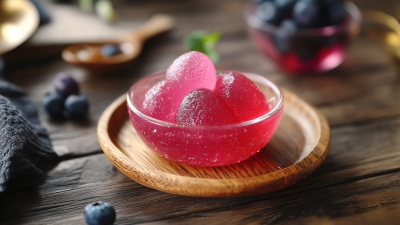
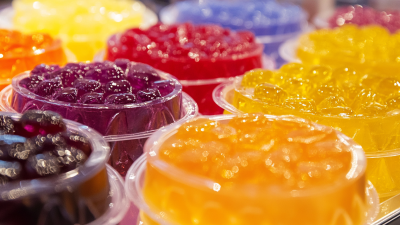
You know, sugar-free desserts really show off how diverse food cultures are around the globe, often putting a modern spin on classic favorites. For example, in Japan, using konjac in sweets has become pretty popular—not just because it’s healthy, but also because of its unique texture. Typically, konjac jelly is sweetened with natural fruits and herbs, making it a tasty, low-calorie treat that fits with today’s health trends while still respecting traditional flavors.
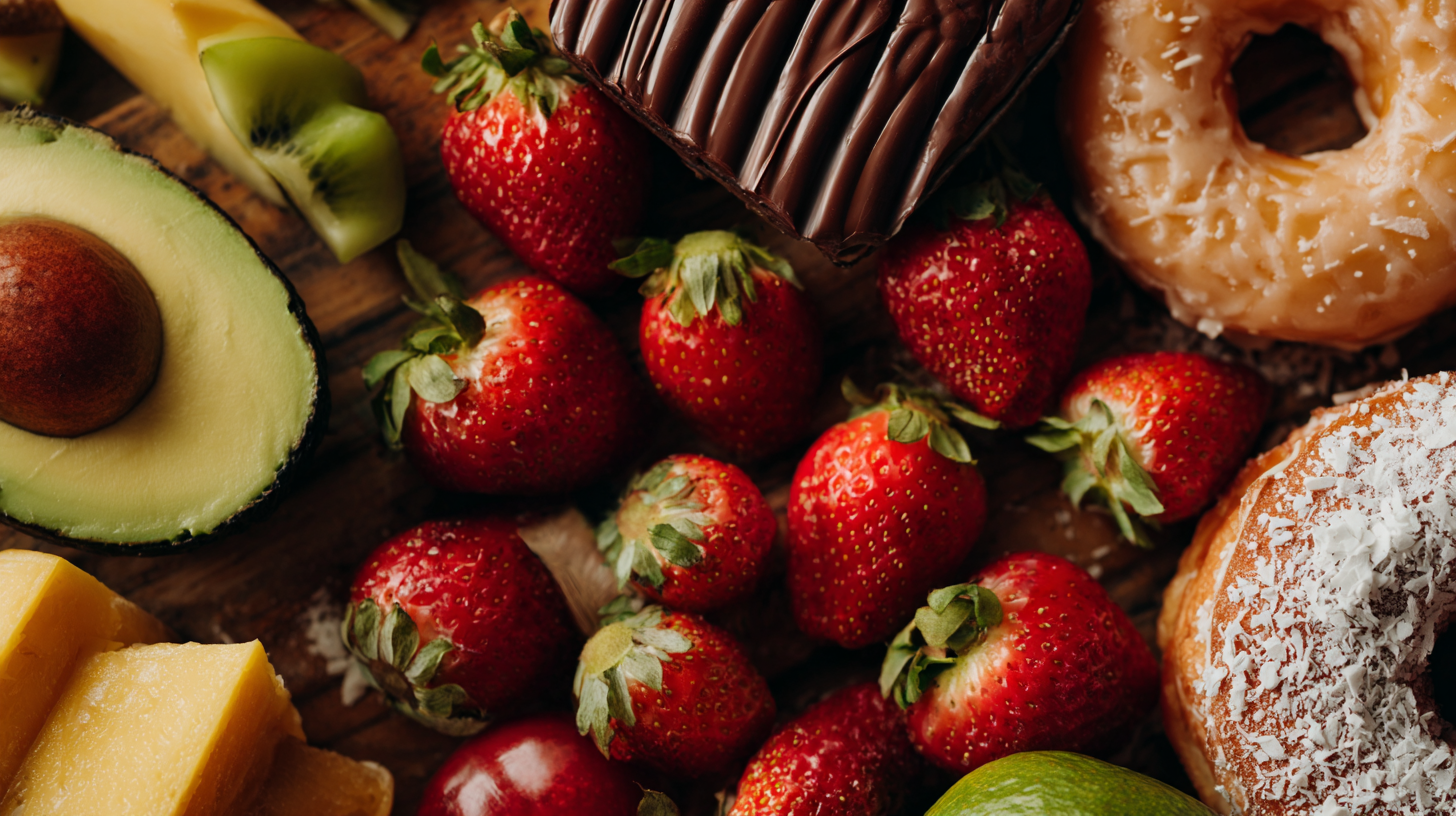 Over in Italy, gelato shops have started offering more sugar-free options too. They’re using natural sweeteners like agave and erythritol, which helps keep that creamy, indulgent feel without loading up on sugar. It’s a cool example of how Italian cuisine is evolving—giving folks a healthier choice while still being really creative with their flavors.
If you’re trying to pick out sugar-free desserts yourself, here are a few tips:
- Always double-check the ingredient list—sometimes there are sneaky hidden sugars or unhealthy additives.
- Don’t be afraid to experiment with natural sweeteners like stevia or monk fruit until you find your sweet spot—balance is key.
- And if you’re into trying something new, consider adding in konjac-based goodies for an extra nutritious boost—these can add good flavor and texture without the calories, and they’re pretty versatile too.
The Impact of Sugar Reduction Policies on Food Innovation
You know, there's been this big global shift lately—people and governments alike are really pushing to cut down on sugar. It's actually changing the food scene quite a bit, sparking tons of new product ideas. If you look at countries like the UK and Mexico, they've started rolling out policies to reduce sugar, and it’s pretty interesting to see how shoppers are responding. According to the WHO, cutting back on sugar can really cut your risk of obesity and other health issues. That’s why a lot of governments are even taxing sugary snacks and drinks now. Manufacturers have taken notice and are experimenting with all kinds of sugar-free options, which explains why there's been a noticeable jump in demand for low-calorie sweeteners and new kinds of food products.
Take Europe, for example—it’s a pretty clear case. The sugar tax there has led to about a 25% bump in sugar-free products over the last five years. A report from Mintel even says that 72% of people are actively looking for sugar-free choices these days. Seems like folks are really into health-conscious living now. Companies are pouring money into R&D, trying to come up with new formulations that keep the flavor but cut way back on sugar. We’re seeing innovations like natural sweeteners, snacks mixed with fiber, and drinks without sugar become more common—not just helping consumers make healthier choices, but also boosting the whole food industry. As these regulations keep evolving, it looks like the future of food is heading more and more toward keeping us healthy while still being tasty and enjoyable.
Success Stories: Brands Leading the Charge in Sugar-Free Innovations
Lately, there’s been a big shift toward healthier eating habits around the world, and it’s really pushing a bunch of brands to get creative with sugar-free options. According to a recent report from Grand View Research, the global market for sugar substitutes is expected to hit around USD 22.4 billion by 2025 — pretty impressive, right? It just shows there's a strong demand for alternatives that don’t rely on sugar. Brands like Halo Top and Chobani are really riding this wave—they’re making tasty, sugar-free ice creams and yogurts that prove you can indulge without the added sugar. Honestly, it’s kind of exciting to see that you don’t have to sacrifice flavor for health anymore.
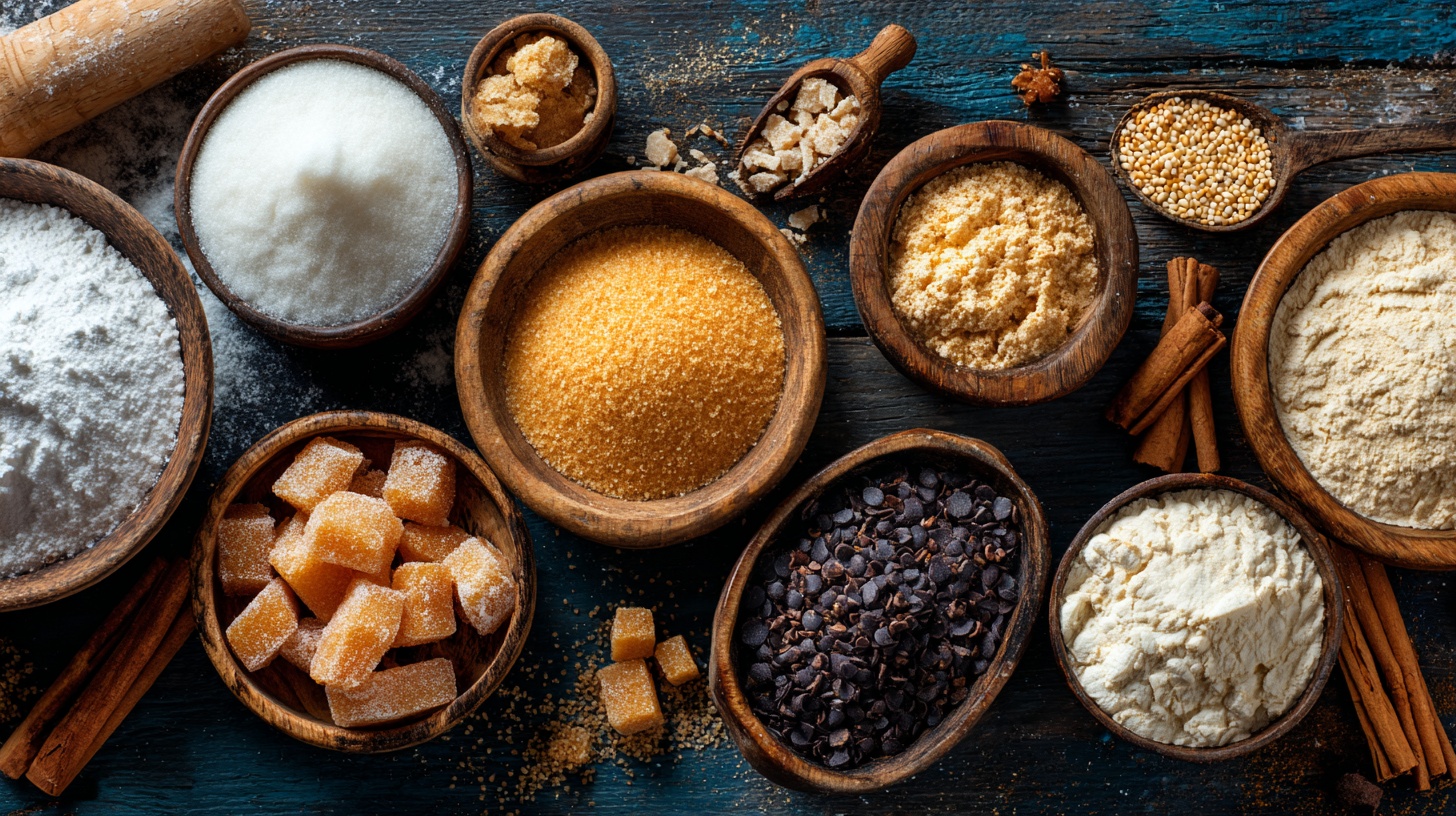
If you’re curious about sugar-free products, looking at what successful brands are doing can give you some good ideas. For example, Suja Juice has been gaining popularity with their organic, sugar-free drinks loaded with nutrients—definitely showing that you can innovate within healthier drink options. Plus, many brands are now focusing on natural sweeteners like stevia and monk fruit, which seems to be a hit with people trying to watch their health.
Here’s a quick tip: When you're shopping for these products, always take a moment to check the ingredients list. Sometimes, things labeled as "sugar-free" might still contain heaps of sugar alcohols or artificial sweeteners—these can sometimes cause more harm than good.
And one more thing—why not try making your own treats at home? There are plenty of recipes out there that use natural sugar alternatives. It’s a fun way to get creative in the kitchen while also keeping things healthier. Embracing these new sugar-free options isn’t just good for your health, but it also supports the brands that are really pushing the envelope in this industry shift. So, why not give it a shot?
Healthy Living Made Easy: Discover the Benefits of Konjac 0 Sugar High Fiber Noodles
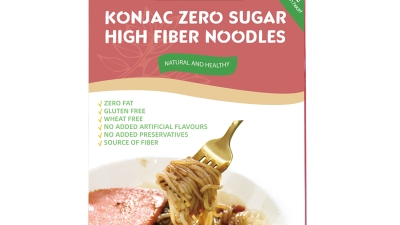
Discovering healthier alternatives to traditional noodles isn't just a trend; it's a lifestyle choice that many are embracing. Enter Ketoslim Mo Zero Sugar, High-Fiber Noodles, a game-changer crafted from natural konjac root. These gluten-free noodles are not only light and nutritious but also packed with high-fiber ingredients that help you feel full without the heaviness of conventional pasta. Their satisfying texture paired with a delicious sugar-free broth makes them an ideal option for anyone looking to maintain a healthy diet without sacrificing flavor.
What sets these noodles apart is their commitment to quality and safety. With over ten quality control inspectors ensuring strict adherence to high standards, you can enjoy your meals with peace of mind. Ketoslim’s noodles come with impressive certifications, including ISO, HACCP, BRC, HALAL, and FDA approvals, highlighting their dedication to delivering a product you can trust. Plus, with free samples and catalogs available for evaluation, there’s every reason to give these healthy noodles a try and revolutionize your dining experience!
FAQS
: Examples of innovative sugar-free snacks include crunchy kale chips from the United States, coconut chips from Southeast Asia, protein-packed chickpea snacks from the Middle East, and savory seaweed crisps from Japan.
It's essential to read ingredient labels to identify natural sweeteners like stevia or erythritol and avoid artificial sweeteners, ensuring healthier choices without hidden sugars.
Yes, you can create satisfying sugar-free snacks at home by combining ingredients like nuts, seeds, and dried herbs for healthy alternatives.
The rise in sugar-free beverages is driven by increased health consciousness among consumers and awareness of the negative health effects of sugar, leading to a demand for flavorful yet guilt-free options.
Popular sugar-free beverages include sparkling waters infused with natural flavors and creative herbal teas that cater to a variety of tastes.
Common sweeteners in sugar-free drinks include natural options such as stevia and monk fruit, which align with consumer preferences for clean labels.
Cultural influences have led to innovative adaptations of traditional desserts, such as konjac-based jelly in Japan and sugar-free gelato in Italy, using natural sweeteners to maintain taste and texture.
Tips for selecting sugar-free desserts include checking ingredient lists for hidden sugars, experimenting with natural sweeteners, and incorporating konjac-based products for added nutrition.
Konjac is a plant-based ingredient that is low in calories and provides a unique texture; it has become popular in sugar-free desserts for its health benefits and ability to enhance flavor.
The market for sugar-free beverages is expected to grow robustly, with manufacturers investing in research and developing a wider variety of appealing products that satisfy consumer cravings while promoting a healthier lifestyle.

 Email
Email Whatsapp
 WeChat