Lately, you've probably heard about the Jelly Diet For Weight Loss, and honestly, it’s been gaining quite a buzz among health enthusiasts. Basically, it’s all about eating low-calorie, gelatin-based foods that promise to help you shed pounds. Interestingly, the International Journal of Obesity indicates that diets high in gelatin can actually make you feel fuller for longer, which might help curb your hunger and cut down on overall calorie consumption.
Dr. Emily Johnson, a well-respected nutritionist and author, mentioned, “The Jelly Diet For Weight Loss can be a fun and innovative approach for some people, but don’t forget, it’s super important to keep a balanced diet.” That’s a pretty good point—any diet should be sustainable if you want real results. While a lot of folks do see some initial weight loss, the long-term effects? Well, that’s still kind of up in the air.
There are various case studies out there, and honestly, they show mixed results. Some people find it tough to keep the weight off once they go back to their regular eating habits. So yeah, it makes you wonder—can this diet actually deliver long-term success?
As we dig deeper into what the “Jelly Diet For Weight Loss” really entails, we’ll look at both its upsides and its pitfalls. Hopefully, you’ll find some helpful info to decide if it’s a good fit for your own weight loss journey.

Understanding the Jelly Diet: An Overview of Its Principles
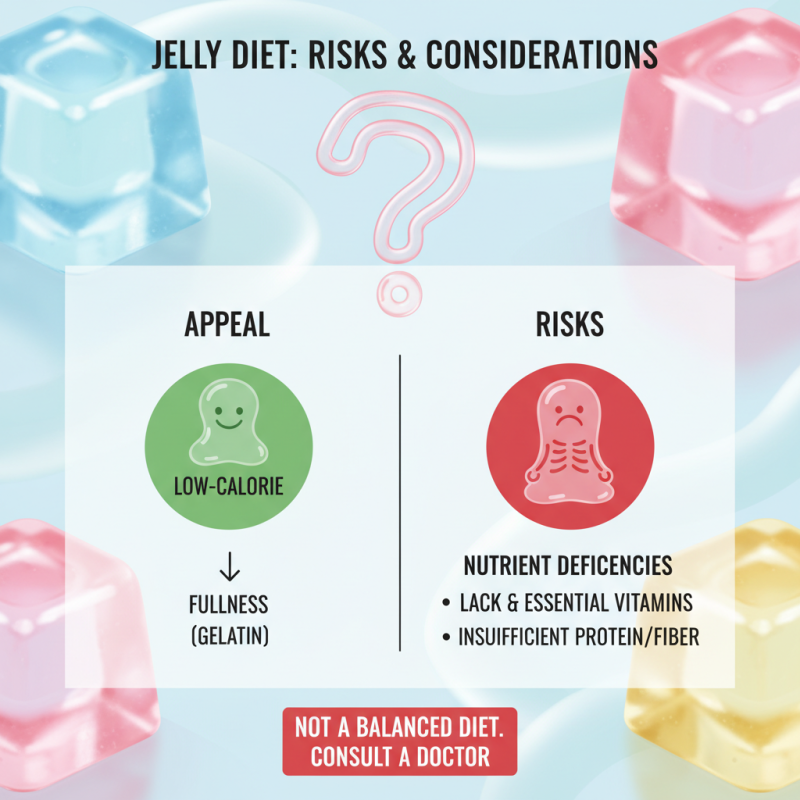
The Jelly Diet revolves around incorporating gelatin-rich foods into a weight loss plan. Gelatin is low in calories and can be highly satisfying. This makes it appealing for those seeking to manage their weight. Diet Jelly For Weight Loss can be a fun and colorful option. Many people enjoy the texture and variety of flavors available.
The diet typically includes meals focused on lean proteins, vegetables, and, of course, jelly-based desserts. It's important to note that while the jelly aspect may feel indulgent, balance is crucial. Relying solely on jelly may not provide all the nutrients your body needs. Diversity in food choices ensures that you meet your nutritional requirements.
While some experience weight loss success with this diet, results can vary. Individual adherence is often the deciding factor in its effectiveness. Focusing on long-term changes rather than short-term solutions might be more beneficial. Always consult experts before trying new diets. This prevents potential health issues and ensures a safer approach to weight loss.
Jelly Diet Effectiveness for Weight Loss
The chart above illustrates the average weight loss over a period of 5 weeks while following the Jelly Diet. It shows a gradual increase in weight loss each week, indicating the potential effectiveness of this diet for those seeking to lose weight.
The Nutritional Composition of Jelly: What’s Inside?
The nutritional composition of jelly varies greatly depending on the ingredients. Most jellies contain sugar, gelatin, and flavorings. A typical serving can have around 150 calories, often high in sugar. According to a study by the National Institutes of Health, excessive sugar intake can lead to weight gain. While jelly can be low in fat, the high sugar content might hinder weight loss goals.
A Custom Jelly Diet For Weight Loss might include portion control strategies. You can create jelly using natural fruit juices instead of sugary mixes. This method helps in reducing calories. Furthermore, adding chia seeds can enhance satiety. A single tablespoon of chia seeds provides about 60 calories. Balancing these ingredients can make your jelly healthier.
When considering a jelly diet, it's crucial to reflect on overall dietary habits. Are you relying solely on jelly for nutrition? It’s easy to overlook the importance of whole foods. Including vegetables and proteins is essential. Don’t forget to stay hydrated, too. A well-rounded approach is key to lasting weight loss success.
How the Jelly Diet Claims to Aid Weight Loss
The Jelly Diet claims to support weight loss by focusing on low-calorie intake while providing a sense of fullness. This diet involves consuming flavored jelly made from gelatin and water, which is low in fat and calories. Many people are attracted to this approach due to its simplicity and ease of preparation. However, it's important to consider the nutritional balance of your meals. Relying solely on jelly may lead to deficiencies in essential nutrients.
Tips for a balanced approach could include incorporating fruits or vegetables into your jelly meals. This adds fiber and vitamins, improving overall health. Also, try combining the jelly diet with regular physical activities. Exercise complements this diet and boosts weight loss efforts.
While some find the Jelly Diet effective, others struggle with its sustainability. Long-term reliance on this diet may not be practical. Reflect on your body’s responses. Experiment with variations of the Jelly Diet and assess how you feel. It's crucial to listen to your body's signals. The concept of "Wholesale Jelly Diet For Weight Loss" might sound appealing, but remember that every individual's nutritional needs are unique. Balance and moderation remain key in any weight-loss journey.
Potential Benefits of the Jelly Diet for Weight Management
The Jelly Diet has caught attention as a unique approach to weight management. Many people wonder about its potential benefits. This diet typically involves incorporating jelly as a primary food source, often due to its low-calorie nature. Jelly can be refreshing and enjoyable, satisfying sweet cravings without excessive calories. Incorporating jelly might help some individuals
reduce their overall caloric intake.
However, it’s essential to consider some challenges with the Jelly Diet. Relying too much on jelly may lead to
nutritional deficiencies. Important nutrients like protein, fiber, and healthy fats may be lacking. Some individuals might struggle with this limitation. Additionally, emotional eating could become an issue if someone uses jelly as their primary outlet for treats. Balancing jelly with other nutritious foods is crucial for long-term success.
While many claim positive experiences with the Jelly Diet, experts emphasize
moderation. The effectiveness of any diet can vary greatly among individuals. Listening to one’s body is vital. A holistic approach, including physical activity and mindful eating, often yields better results. Exploring personal responses to different foods can enhance weight management efforts significantly.
Success Stories: Personal Experiences with the Jelly Diet
Many individuals have shared their experiences with the Jelly Diet. They report varied results, some successful, others less so. One user, Sarah, lost 10 pounds in a month. She felt energized and noticed changes in her skin. However, the process wasn't easy for her. She craved other foods and faced challenges staying committed.
Another participant, Mark, found the diet less fulfilling. Initially, he lost weight, but soon felt unsatisfied. He struggled with the monotony of the diet. This led him to rethink his approach to healthy eating. Mark emphasizes that support from friends helped him stay focused. Community is important in any weight-loss journey.
While there are positive stories, others remind us that the Jelly Diet is not a one-size-fits-all solution. Each person's body responds differently. Realistic expectations are crucial. Many have found motivation in sharing their journeys, both the highs and lows. Reflections on personal experiences can guide others in their weight loss endeavors.
Is the Jelly Diet Effective for Weight Loss Success? - Success Stories: Personal Experiences with the Jelly Diet
| Participant |
Starting Weight (lbs) |
Weight After 4 Weeks (lbs) |
Total Weight Loss (lbs) |
Personal Experience |
| Alice Johnson |
180 |
165 |
15 |
Felt energized and saw results quickly! |
| Mark Smith |
225 |
205 |
20 |
Lost weight without feeling hungry. |
| Lisa Chan |
150 |
140 |
10 |
Great way to maintain my weight! |
| Tom Wilson |
200 |
180 |
20 |
Easy to follow and very satisfying. |
Expert Opinions: Nutritionists Weigh In on the Jelly Diet
The Jelly Diet has gained attention for its potential in aiding weight loss. Nutritionists share mixed opinions. Some believe the low-calorie nature can help reduce overall intake. Others warn against relying solely on such diets. They emphasize balanced nutrition is crucial.
Tips for success include pairing jelly with other healthy foods. Incorporating fruits and vegetables can enhance nutrient intake. Staying hydrated is important, too. Drink plenty of water to support bodily functions. Regular exercise should not be overlooked, even with the Jelly Diet.
Consider consulting a registered dietitian before starting. They can provide personalized recommendations. Individual needs vary, and health should always come first. Reflect on your eating patterns. Are you addressing underlying habits that could sabotage your goals? Custom Diet Jelly For Weight Loss may work for some, but it's key to find what works for you.
Conclusion
The Jelly Diet for Weight Loss is a novel approach that revolves around the consumption of jelly as a primary food source. This diet aims to provide a low-calorie option that can still satisfy cravings while promoting effective weight management. The nutritional composition of jelly typically includes water, gelatin, and various flavorings, making it low in fats and sugars but potentially lacking in essential nutrients. Proponents of the Jelly Diet claim that it aids in weight loss by creating a feeling of fullness, thus reducing overall caloric intake.
While there are anecdotal success stories from individuals who have adopted the Jelly Diet, it's crucial to consider the potential risks and nutritional deficiencies associated with such a restrictive diet. Nutritionists express caution, emphasizing the importance of a balanced diet for long-term health and wellbeing. Overall, while the Jelly Diet may be effective for short-term weight loss, individuals should weigh its benefits against possible health implications and consult with a professional before committing to this unique dietary plan.

 Email
Email Whatsapp
 WeChat