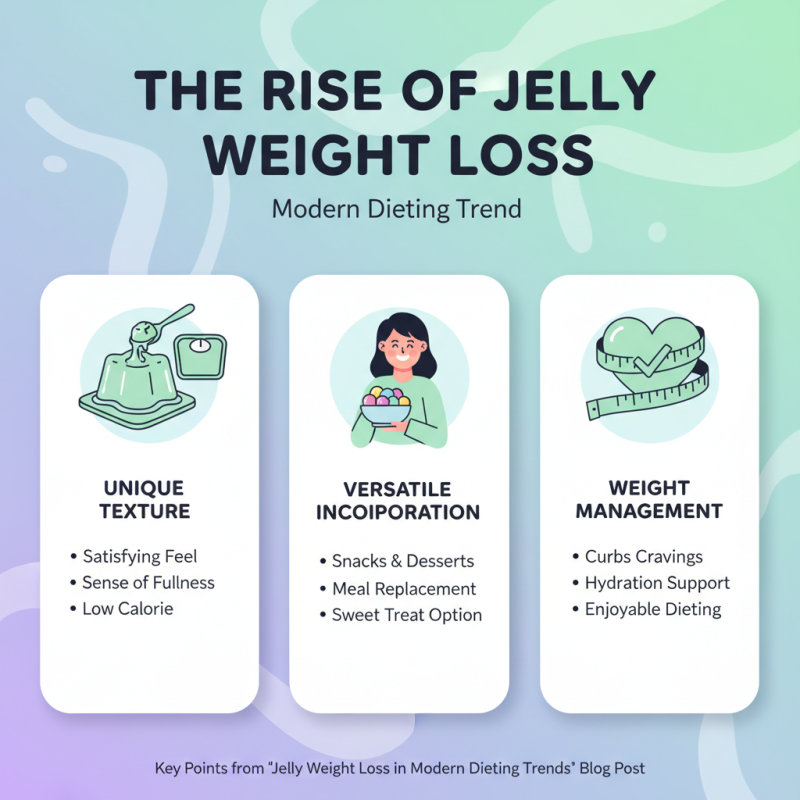
Lately, it seems like everyone’s talking about Jelly Weight Loss. Honestly, it’s kind of fascinating how this trend has taken off among folks trying to shed some pounds. Dr. Jennifer Clark, a well-respected nutritionist over at the Health & Wellness Institute, puts it nicely: she says, “Jelly Weight Loss isn’t just a passing craze; it actually ticks a lot of boxes by offering tasty, low-calorie options.” It’s pretty clever—enjoying something sweet while also staying on track with your diet. Who wouldn’t want that, right?
A lot of people are trying out different jelly-based solutions because they get to enjoy a treat without going overboard on calories or missing out on essential nutrients. It’s that idea of having your cake and eating it too, but in jelly form! Still, some experts warn that not all jellies are made equal. Dr. Clark advises folks to be super careful and always check those labels—because quality varies, and finding the good stuff can be a bit of a task.
Of course, it’s not all sunshine and rainbows. Critics argue about whether Jelly Weight Loss really works long-term. The thing is, like with any diet component, balance is everything. Lean too heavily on jelly, and you might end up missing out on other important nutrients. As the whole industry keeps evolving, it’s really worth understanding both the perks and the potential downsides, especially if you’re after results that last. Bottom line: stay informed, and don’t rely solely on jelly to reach your goals.

The Rise of Jelly Weight Loss in Modern Dieting Trends
Jelly weight loss has emerged as a fascinating trend in modern dieting methods. This approach is largely popular due to its unique texture and satisfying feel. Many dieters find that jelly provides a sense of fullness without excessive calories. By incorporating jelly into snacks or meals, individuals can enjoy a sweet treat while managing their weight.
However, there’s a catch. The nutritional value of jelly can vary significantly. Many store-bought options are loaded with sugar and artificial ingredients. This inconsistency raises questions about its effectiveness. People may rely on jelly without fully understanding its impact on their overall diet. Those considering jelly weight loss should be aware of the quality of the products they choose.
In addition, people can feel tempted to substitute jelly for healthier options. Fresh fruits or whole foods offer better nutrition and fiber. It’s crucial for dieters to reflect on their eating habits. Balancing jelly consumption with nutrient-dense foods is key. While jelly can be part of a weight loss plan, moderation and mindfulness are essential.
Understanding the Science Behind Jelly Weight Loss
The trend of jelly weight loss is rising among dieters. One reason is its low-calorie count. A serving of jelly can be as low as 10 calories. This appeals to those seeking quick results without excessive calorie restrictions. The texture and flavors make it enjoyable as a snack. Dieters can replace high-calorie options with jelly, promoting satiety.
Research suggests that low-calorie foods can help with weight management. A study from the Journal of Nutrition found that swapping high-calorie foods for low-calorie alternatives led to greater weight loss. Jelly serves this purpose while providing a sweet treat. Experts suggest that incorporating enjoyable foods can improve adherence to diet plans.
However, not all jellies are created equal. Some contain artificial sweeteners that could trigger cravings. Additionally, the lack of protein or fiber can make it less filling over time. Dieters should be careful not to rely solely on jelly for weight loss. Balancing it with nutrient-dense foods is essential for overall health.
Key Ingredients That Make Jelly Effective for Weight Loss
Jelly has recently become a go-to option for those trying to shed pounds. One standout ingredient is konjac, which is known for its high fiber content.
Konjac Jelly Weight Loss products take advantage of this by promoting feelings of fullness. This can help reduce overall calorie intake throughout the day.
Additionally, konjac contains glucomannan, a natural fiber that expands in the stomach. This characteristic helps users feel satisfied longer, decreasing cravings for snacks.
Many people report a noticeable difference in their eating habits, which reflects the potential effectiveness of this jelly.
However, some might find the texture unfamiliar or unappealing at first.
Moreover, hydration plays a crucial role. Konjac jelly absorbs water, also aiding digestion. While many appreciate the benefits, it's essential to consider individual reactions. Not everyone may experience the same results, prompting a reflection on personal dietary choices.
The key is to integrate konjac jelly weight loss into a balanced diet rather than relying solely on it. Adjusting one’s mindset towards healthy eating can create lasting results.
How Jelly Weight Loss Compares to Traditional Dieting Methods
The rise of Jelly Weight Loss as a popular dieting method reflects a shift in how people approach weight management. Traditional diets often focus on strict calorie counting and food deprivation. In contrast, Jelly Weight Loss offers a more flexible alternative. This method enhances satiety with less calorie consumption. Research indicates that high-water content foods, like gel-based products, can significantly reduce overall calorie intake. A study published in the Journal of Nutrition found that participants consuming gel-based snacks reported feeling fuller and consumed 20% fewer calories in subsequent meals.
Many dieters struggle with the sustainability of traditional diets. The restrictive nature often leads to yo-yo dieting. Jelly Weight Loss provides a less rigid approach. It encourages portion control without the feeling of deprivation. Participants can enjoy a pleasurable eating experience while controlling their weight. According to the International Journal of Obesity, dieters using satisfying substitutes tend to maintain weight loss more effectively. The engagement of the senses during the eating process contributes to psychological satisfaction.
However, not all aspects of Jelly Weight Loss are perfect. Some may find it challenging to adjust to textures or flavors. Awareness of nutritional balance is crucial. While jelly options can aid in weight loss, they shouldn't replace whole food sources. Proper dietary practices remain vital in achieving long-term health outcomes. Juggling this balance is essential for success.
Real-Life Success Stories: Jelly Weight Loss Experiences
In recent times, many dieters have embraced jelly weight loss as a novel method. Real-life success stories highlight its appeal. For instance, Sarah, a busy mother, found that incorporating jelly into her diet helped curb cravings. She felt satisfied after meals, which reduced her snacks. Her experience reveals how simple changes can lead to results.
John, a fitness enthusiast, initially approached jelly weight loss with skepticism. However, after trying it for a few weeks, he noticed a difference in his energy levels. He appreciated the variety jelly offers without feeling deprived. Yet, he also admits it was challenging to maintain the balance. Sometimes, he found himself craving traditional treats.
These stories underscore the personal journeys many face. It’s essential to recognize that success does not look the same for everyone. Finding what works for you can be a process of trial and error. Creating a sustainable approach that fits into your lifestyle is vital for long-term success.
Potential Risks and Considerations of Jelly Weight Loss
The Jelly Diet For Weight Loss has become a trending topic among dieters. Many see it as a quick fix for shedding pounds. However, there are potential risks and considerations that need attention. Research indicates that high sugar content in many jelly products may lead to weight gain instead of loss. Industry reports show that over 60% of weight loss products fail to deliver lasting results. This statistic raises questions about the effectiveness of the Jelly Diet for some individuals.
Another concern is the impact of a jelly-only diet on overall health. A lack of essential nutrients can lead to deficiencies. Some diets report issues like fatigue and irritability among participants. Maintaining a balanced diet is crucial. Over-reliance on any specific food can create an unhealthy mindset. It is essential for dieters to reflect on their goals and methods carefully.
Furthermore, individual responses to the Jelly Diet can vary significantly. While some may experience initial success, others might struggle with cravings and blood sugar spikes. Without proper guidance, it is easy to fall into unhealthy eating patterns. Consulting with a healthcare professional is advisable before starting such diets. This personalized approach can help ensure safety and longevity in achieving weight loss goals.
Popularity of Jelly Weight Loss Among Dieters
As illustrated in the chart, the search interest in jelly weight loss has significantly increased from 2020 to 2023, indicating a growing trend among dieters. This rise reflects the popularity of alternative dieting methods.
Tips for Incorporating Jelly into Your Weight Loss Plan
Jelly as a weight loss tool is gaining traction. This trend is backed by recent studies indicating that low-calorie options can aid in weight management. For many dieters, the appeal of Jelly lies in its versatility and satisfying texture. A report from the Journal of Nutritional Science notes that incorporating gels, like Jelly, can help control hunger and reduce cravings.
When adding Jelly into your weight loss plan, consider flavoring options. Using natural fruits or yogurt can enhance the flavor while keeping sugar levels low. Some recent surveys found that 40% of consumers prefer items with fewer than 50 calories per serving. This makes Jelly an excellent choice for dieters aiming for portion control.
However, moderation is key. Relying solely on Jelly for weight loss might not be effective. While it's a fun addition, a balanced diet is still essential. Some individuals have reported feeling unsatisfied when consuming only jelly-based snacks.
Enzyme Jelly Weight Loss can support dietary choices, but it should complement a diverse range of foods for the best results.
Transform Your Weight Loss Journey with Magic Jelly: The Delicious Orange Flavor Konjac Solution
Transforming your weight loss journey can be both enjoyable and effective with the introduction of a delicious snack option – the magic jelly infused with a delightful orange flavor. This innovative product is crafted from premium konjac flour, offering a unique solution for those looking to manage their weight without sacrificing taste. With a low calorie count and a high dietary fiber content, this jelly can promote a feeling of fullness while aiding digestion, making it a perfect companion for your daily routine.
Imagine snacking on something that not only satisfies your sweet cravings but also aligns with your health goals. The refreshing citrus taste makes this konjac jelly an appealing choice, whether enjoyed on its own or used as a topping for healthier desserts. Without any added sugar, you can indulge in the vibrant orange flavor guilt-free, making it an ideal option for any time of day. Add this nutritious treat to your lifestyle and embrace the journey towards better health and well-being. Plus, with the availability of free samples and a comprehensive product catalog, exploring this delightful treat is just a step away. Enjoy the benefits of a snack that fits seamlessly into your weight management plan!
FAQS
: Jelly is low in calories, making it a satisfying snack option.
Swapping high-calorie foods for jelly can promote greater weight loss.
Some jellies contain artificial sweeteners, which may trigger cravings.
Konjac is high in fiber, promoting feelings of fullness and reducing calorie intake.
It absorbs water, which aids digestion and contributes to satiety.
No, individual reactions may vary, highlighting the need for personal dietary reflection.
No, relying solely on jelly is not advisable; balance with nutrient-dense foods is important.
A positive mindset towards healthy eating can enhance the impact of integrating jelly into diets.
It lacks protein and fiber, which might lead to insufficient fullness over time.
Some find its texture unfamiliar and may need time to adjust.
Conclusion
Jelly Weight Loss is gaining traction among dieters due to its unique approach to effective weight management. This modern trend highlights the science behind jelly's ability to promote satiety and reduce calorie intake, making it a popular choice for those looking to slim down. The key ingredients found in jelly, such as fiber and natural thickeners, contribute to its efficacy in curbing hunger, positioning it as a viable alternative to traditional dieting methods.
Moreover, real-life success stories demonstrate how individuals have successfully integrated Jelly Weight Loss into their routines, resulting in significant changes. However, potential risks and considerations are essential for dieters to keep in mind. To maximize the benefits, tips for incorporating jelly into a weight loss plan are also provided, ensuring that individuals can achieve their goals while maintaining a balanced approach to health.

 Email
Email Whatsapp
 WeChat