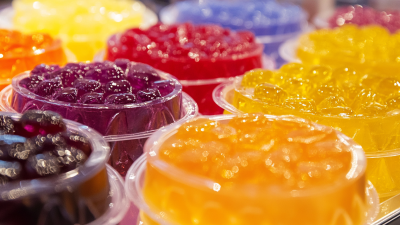
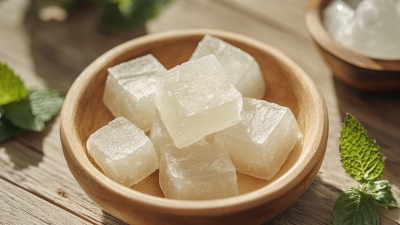
You know, over the past few years, more and more folks are becoming aware of the importance of healthy eating. Because of that, there’s been this awesome surge in demand for alternative food products, and let me tell you, Konjac Plant Rice is really starting to stand out! This rice alternative, which comes from the konjac plant, is like a miracle for anyone looking to eat healthier without feeling guilty. It’s low-calorie but still tastes great and has a nice texture. At Huizhou Zhongkaixin Food Co., Ltd., we've been doing this whole konjac food thing for over ten years now! We've fine-tuned our technology and processes so we can offer you some top-notch Konjac Plant Rice. We're all about spreading the word on the health benefits of konjac, and honestly, that’s helped us lead the market. It's our mission to ensure that more people get to experience the amazing nutritional perks that come with this fantastic ingredient. So, why not join us on this journey? Let’s dive into how Konjac Plant Rice can totally change up your meals and help you live a healthier lifestyle!
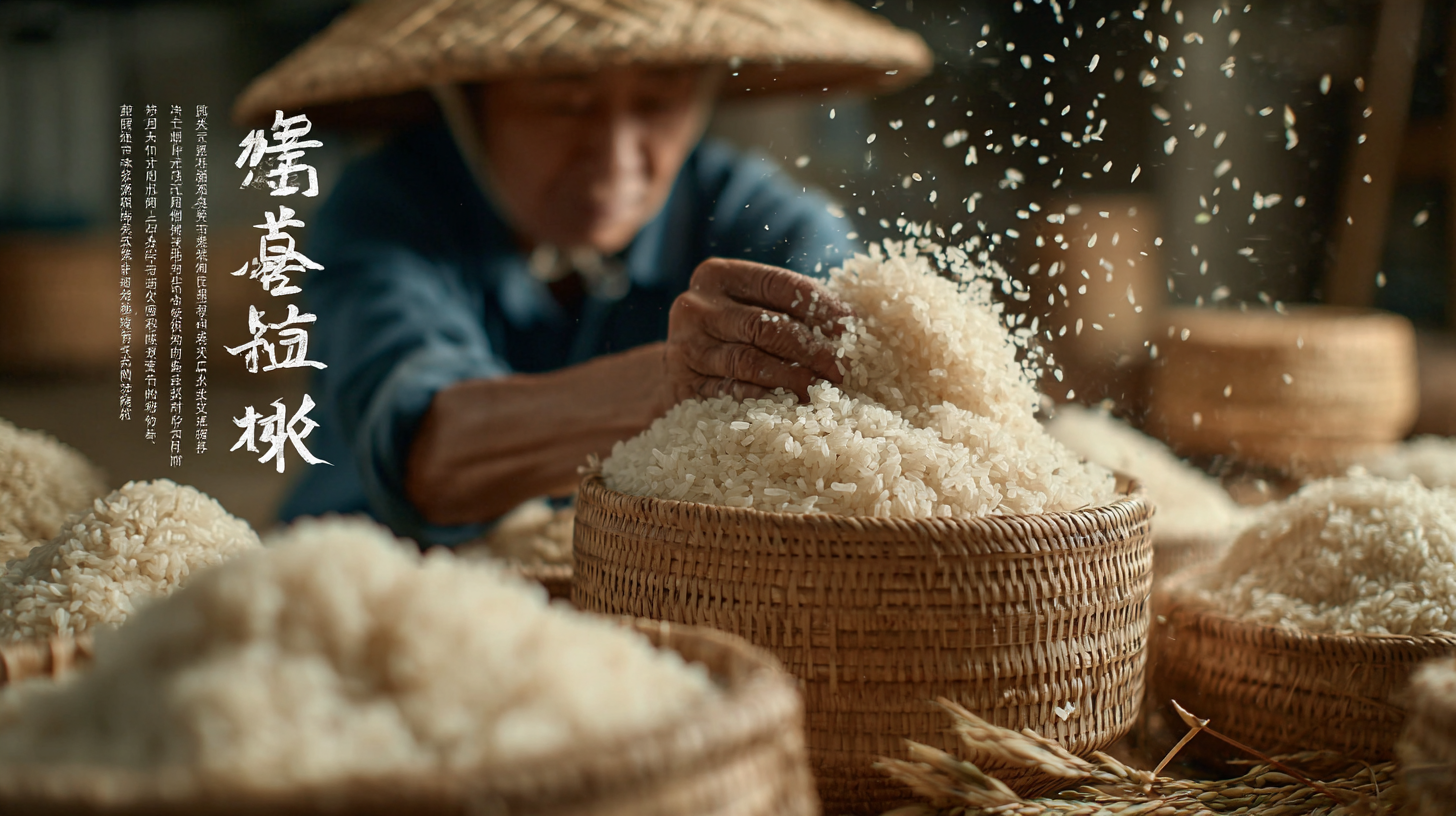
The Rise of Konjac Plant Rice in Global Markets
You know, the popularity of konjac rice is really taking off around the world! People are becoming more health-conscious and looking for low-calorie alternatives to the usual staples in their diets. Recent research shows that the global konjac market could hit a whopping 1.5 billion dollars by 2027, growing at a solid rate of about 8.5% each year since 2020. This shift is all about more folks wanting gluten-free and low-carb options. Konjac rice is made from glucomannan, which comes from the konjac plant, and it’s super low in calories yet packed with dietary fiber. That makes it a great pick if you're watching your weight or just trying to be healthier overall.
Now, China is really leading the charge in this emerging market. They've got some advanced farming practices and innovative production techniques up their sleeves. Reports suggest that over 60% of konjac products on the market come from China. As more of these manufacturers turn their focus to quality and sustainable farming, they’re setting the bar high for premium konjac rice. This not only helps them compete globally but also enables them to meet a wide variety of consumer tastes across different regions. No wonder konjac rice is becoming so popular!
Innovative Manufacturing Techniques from China's Leading Suppliers
You know, in recent years, China has really stepped up its game when it comes to making top-notch konjac plant rice. They’re using all these cool manufacturing techniques that totally set them apart from the competition worldwide. Major suppliers are getting creative with advanced processing methods, and it’s not just about boosting the nutritional value of konjac rice; they're also making it taste and feel way better. These high-tech approaches really cater to the growing appetite for healthier and more sustainable food options.
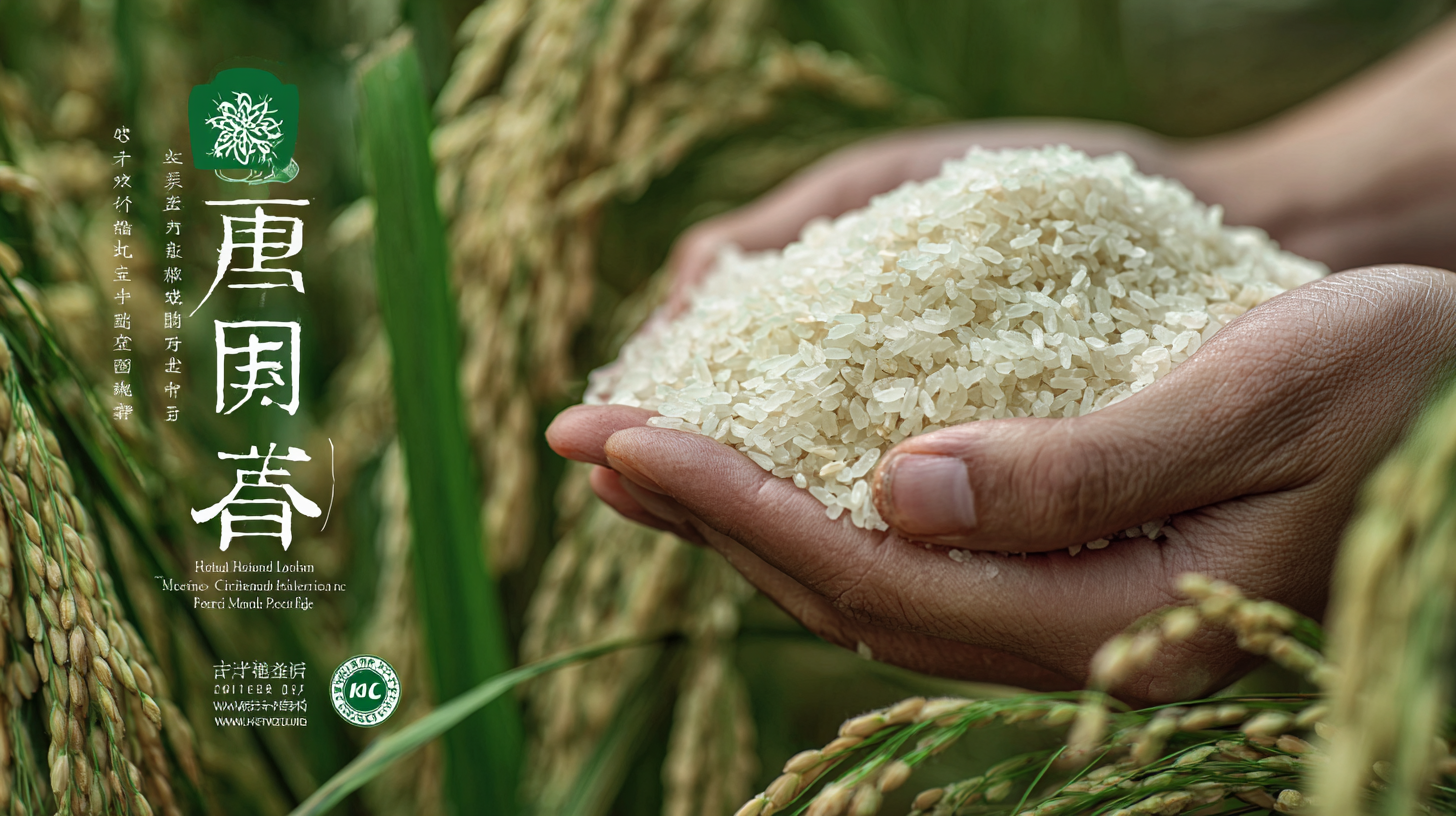
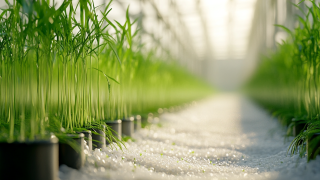
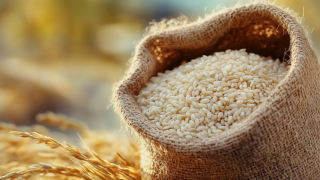
The whole production process kicks off with some seriously high-quality konjac tubers, which are grown under super strict farming standards. After that, they get processed using fancy technologies like vacuum drying and precision milling. This not only keeps all the good stuff in the plant but also steps up the quality control. Plus, it’s great to see that manufacturers are starting to embrace eco-friendly practices, like recycling waste and using energy-efficient machines. It’s clear they’re serious about being sustainable! By taking the lead on innovation, China's top manufacturers are not just redefining what konjac plant rice can be; they’re also making it more accepted and loved in markets all over the globe.
Health Benefits and Nutritional Value of Konjac Rice
Hey there! Have you heard of konjac rice? This stuff is really gaining traction as a go-to health food, especially for folks looking to cut down on calories without giving up that grainy goodness. It comes from the konjac plant and is packed with glucomannan, which is a type of soluble fiber. You know what that means? It can help with weight management and keeps your digestion in check! There’s even a study in the Journal of Nutrition from 2020 that says glucomannan might help you feel full, which could lead to eating fewer calories overall. So, if you’re on a weight loss journey, konjac rice could be your new best friend since it’s got less than 10 calories per serving. Crazy, right?
But wait, there’s more! The benefits of konjac rice aren’t just about the low calorie count. A report in the International Journal of Food Sciences and Nutrition mentions its low glycemic index. So for those of you keeping an eye on your blood sugar levels, this could be a smart choice. Plus, it’s gluten-free, which is a huge plus if you've got any gluten sensitivities. And, it also packs in some essential vitamins and minerals without loading you up on carbs. On top of that, the best konjac rice comes from top manufacturers in China, ensuring you get quality. So, if you’re looking to mix things up in your diet, giving konjac rice a shot might just bring some solid health perks!
Sustainability in Konjac Production: Environmental Impact
You know, sustainability is really taking the spotlight when it comes to konjac production, making it a standout choice as an eco-friendly alternative to those typical crops we usually talk about. I came across this interesting report from the Food and Agriculture Organization (FAO) that highlights how growing konjac is a lot less thirsty than other staples—like, we're talking about using around 60% less water than rice! That’s a huge deal, especially in areas where water is super scarce. And here’s something cool: konjac actually thrives in not-so-great soil, which means we can cut down on those nasty chemical fertilizers that can mess with the environment.
Plus, get this—the environmental benefits don’t stop there. A study in the Journal of Cleaner Production pointed out that konjac farming gives off 38% less greenhouse gas compared to regular crops, mostly because it doesn’t need a ton of agricultural inputs. So not only are we helping to tackle climate change, but we’re also giving a boost to biodiversity, allowing all sorts of life to flourish on these konjac farms. And speaking of konjac, China's leading manufacturers are really stepping up their game in producing top-notch konjac rice. It’s exciting to see how they’re working to align their farming practices with global sustainability goals. It’s like they’re paving the way toward a greener future, don’t you think?
Sustainability in Konjac Production: Environmental Impact
Exploring Consumer Trends and Preferences in Plant-Based Foods
You know, there’s this growing excitement around plant-based foods that's really shaking things up in how we eat. People are making a noticeable switch to healthier and more sustainable habits. Take the organic cat food market, for example—back in 2022, it was valued at about $120 million, and they’re expecting it to soar to $250 million by 2030. That’s a solid growth rate of 10% a year from 2024 to 2030! It's clear that pet owners are really looking for clean, natural ingredients for their furry friends, and it's part of a bigger trend where folks are leaning more towards premium, health-conscious products.
On a wider scale, the food industry is buzzing with innovation, much of it thanks to technology. For example, the Japanese food emulsifier market is set to reach a whopping $311.2 million by 2035, with a growth rate of 6.07%. This really highlights how much people care about quality ingredients and smart food processing techniques to meet their expectations. Plus, the rise of artificial intelligence in food production is truly changing the game. Companies are using it to streamline the development of plant-based foods, making the whole process faster and more creative. As the industry evolves, brands that keep a close eye on consumer trends will definitely have the edge in this growing plant-based market.
Competitive Landscape: China's Role in the Global Konjac Industry
Hey there! You know, the global
Konjac market is really picking up steam lately, and guess what?
China’s leading manufacturers are stepping up to the plate as major players in this competitive scene. In 2023, this market was
estimated at around USD 3.54 billion, and it's expected to almost double
to USD 8.69 billion by 2032! That’s a solid growth rate, right? A big part
of this boom is thanks to more people becoming aware of the health perks that come with Konjac products, which are known for their
dietary fibers and weight management benefits.

One standout in this whole transformation is
Huizhou Zhongkaixin Food Co., Ltd. They’ve been in the game for over
a decade, focusing on Konjac health foods. Their mission goes beyond just making top-notch
Konjac products—it's about getting the word out there about how these goods
can boost health. And let’s not forget about the Konjac flour market; it's gaining traction too! Analysts predict that we'll see
its acceptance grow in various sectors like food, pharmaceuticals, and even personal care. With all these exciting developments,
it’s clear that China is really carving out its
spot as a leader in the global Konjac scene.
FAQS
: Leading suppliers in China are using advanced processing methods like vacuum drying and precision milling to enhance the nutritional profile, taste, and texture of konjac rice.
Konjac rice is recognized for its health benefits, including high dietary fiber content and features that aid in weight management.
The konjac tubers are cultivated under strict agricultural standards, ensuring high quality before processing.
Manufacturers are implementing eco-friendly practices such as waste-recycling processes and using energy-efficient machinery as part of their commitment to sustainability.
The global Konjac market, valued at approximately USD 3.54 billion in 2023, is projected to grow to USD 8.69 billion by 2032.
There is growing consumer awareness of the health benefits associated with konjac products, which is driving demand in the market.
Huizhou Zhongkaixin Food Co., Ltd. is a leading manufacturer in the industry, with over ten years of specialized experience in konjac health foods.
Konjac flour is gaining acceptance in various applications, including food, pharmaceuticals, and personal care sectors.
These methods preserve the natural benefits of konjac while enhancing quality control, leading to a better final product for consumers.
Innovation is crucial as it helps redefine the quality of konjac products and promotes their acceptance and popularity in global markets.
 Email
Email Whatsapp
 WeChat