Leave Your Message
-
 Email
Email -
 Whatsapp
-
 WeChat
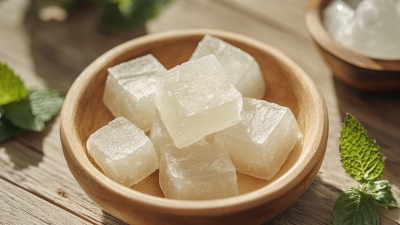
Looking ahead to 2025, it’s pretty clear that the Rice Konjac market is set to grow a lot, mostly thanks to more folks becoming aware of healthy eating and the rising interest in plant-based options. In fact, research shows that the global konjac market could hit around 1.5 billion dollars by 2025! Rice Konjac is really catching on, especially for its low calorie and high fiber benefits, which is awesome. Now, Huizhou Zhongkaixin Food Co., Ltd. has been in the konjac food game for more than ten years, really pushing the envelope in terms of innovation. We’re in a great spot to take advantage of this trend. Our mission to promote konjac health foods is right on target with the growing love for Rice Konjac among health-conscious shoppers. With our top-notch technology and industry know-how, we’re not just aiming to meet expectations, but to absolutely crush them, helping everyone lead a healthier lifestyle.
As we look ahead to 2025, it’s clear that the world of rice konjac production is gearing up for some pretty big changes thanks to new technologies popping up everywhere. We’re talking about things like precision agriculture, advanced breeding techniques, and automated harvesting systems that promise to not only make things more efficient but also cut costs and really enhance product quality. With these cutting-edge tools, farmers can boost their yields and, at the same time, cater to that growing crowd of folks looking for healthy, plant-based food options.
**Pro Tip:** If you want to stay on top of the rice konjac market, think about investing in smart farming gadgets that leverage IoT and big data analytics. By gathering and analyzing real-time data, producers can fine-tune their farming methods and make savvy decisions that really amp up productivity.
Plus, let’s not forget that sustainability is going to be a huge player in the future of rice konjac production. Techniques like regenerative agriculture and eco-friendly packaging are definitely going to resonate with the more environmentally conscious consumers out there. By weaving these sustainable practices into their operations, producers can not only polish their brand image but also draw in a more diverse customer base.
**Another Tip:** It’s also a great idea to team up with local research institutions to dive into innovative sustainable practices that align with what you're trying to achieve. Collaborating like this can lead to valuable insights and build community support for whatever you're working on.
You know, there's been a pretty big surge in demand for rice konjac lately, and it's mostly because people are becoming more aware of their health and nutrition. A recent report from Grand View Research predicts that the global konjac market could hit around USD 1.6 billion by 2025, with rice konjac grabbing a good chunk of that growth. It’s interesting to see how this trend is really tapping into the shift towards plant-based diets. I mean, rice konjac is super versatile and works great as a low-calorie, gluten-free substitute in all kinds of dishes.
And it doesn’t stop there—more and more folks are looking for products that are not just good for them but also good for the planet. According to some data from Research and Markets, over 45% of shoppers see eco-friendly sourcing as a key factor when making purchases. This rising interest is actually a golden opportunity for producers. If they play their cards right with some creative marketing that showcases the sustainable side of rice konjac, they could really connect with health-conscious consumers. By focusing on its nutritional benefits and the eco-friendly ways it's grown, businesses can really set themselves apart in a crowded market.
You know, sustainable rice konjac farming is really becoming the talk of the town. Producers are on the lookout for fresh and innovative ways to keep up with the growing market demands, all while being mindful of our environment. One really exciting development is the use of nanotechnology in agriculture. It’s like a game-changer! By using eco-friendly nanomaterials, farmers can cut down on their use of traditional fertilizers and pesticides, which means healthier soil and plants all around. Not to mention, these advancements can boost crop yields, reduce chemical runoff, and ultimately make our food safer. It’s a win-win for sustainable agriculture!
But hey, making this shift isn’t exactly a walk in the park. For farmers, adopting these cutting-edge technologies can get pretty complicated. There’s the need for significant investment and, of course, some training to get the hang of it. Plus, it’s super important to make sure that these nanomaterials are used correctly so they actually help without causing harm to the ecosystem. As everyone involved in the rice konjac supply chain considers these new practices, they really need to find a way to balance being sustainable with the harsh realities of the economy. They’ll have to figure out the best ways to roll out and promote these technologies if they want to capitalize on market growth by 2025.
In today’s ever-changing world of rice konjac production, forming solid partnerships is key to making our supply chains run smoother. When businesses team up with farmers, suppliers, and tech innovators, it really boosts how efficiently and sustainably they operate. These kinds of collaborations aren’t just about paperwork—they create opportunities for sharing knowledge and sparking new ideas, helping companies keep their edge in this competitive market. With rice konjac demand on the rise, having trusted partners will be super important to tackle any bumps along the supply chain and maintain that high-quality product we all want.
So, how do you nail these partnerships? Well, start by figuring out what each side does best, and make sure everyone’s goals line up for a win-win. Communication is huge, too! Regular meetings can open the door for honest chats about what’s happening in the market and any challenges that pop up. And hey, investing in tech that gives everyone a clear look at the supply chain can really help you adapt quickly when demand shifts or obstacles come up.
Also, don’t just stick to the usual suppliers—think outside the box! Bring in research institutions and those quirky niche players in the industry. This can spark some real innovation, leading to better production techniques and fresh product ideas. Plus, focusing on sustainability within these partnerships not only meets what consumers want but also sets your business apart as a socially responsible leader, which is going to help drive growth in the rice konjac market. Sounds like a win-win, right?
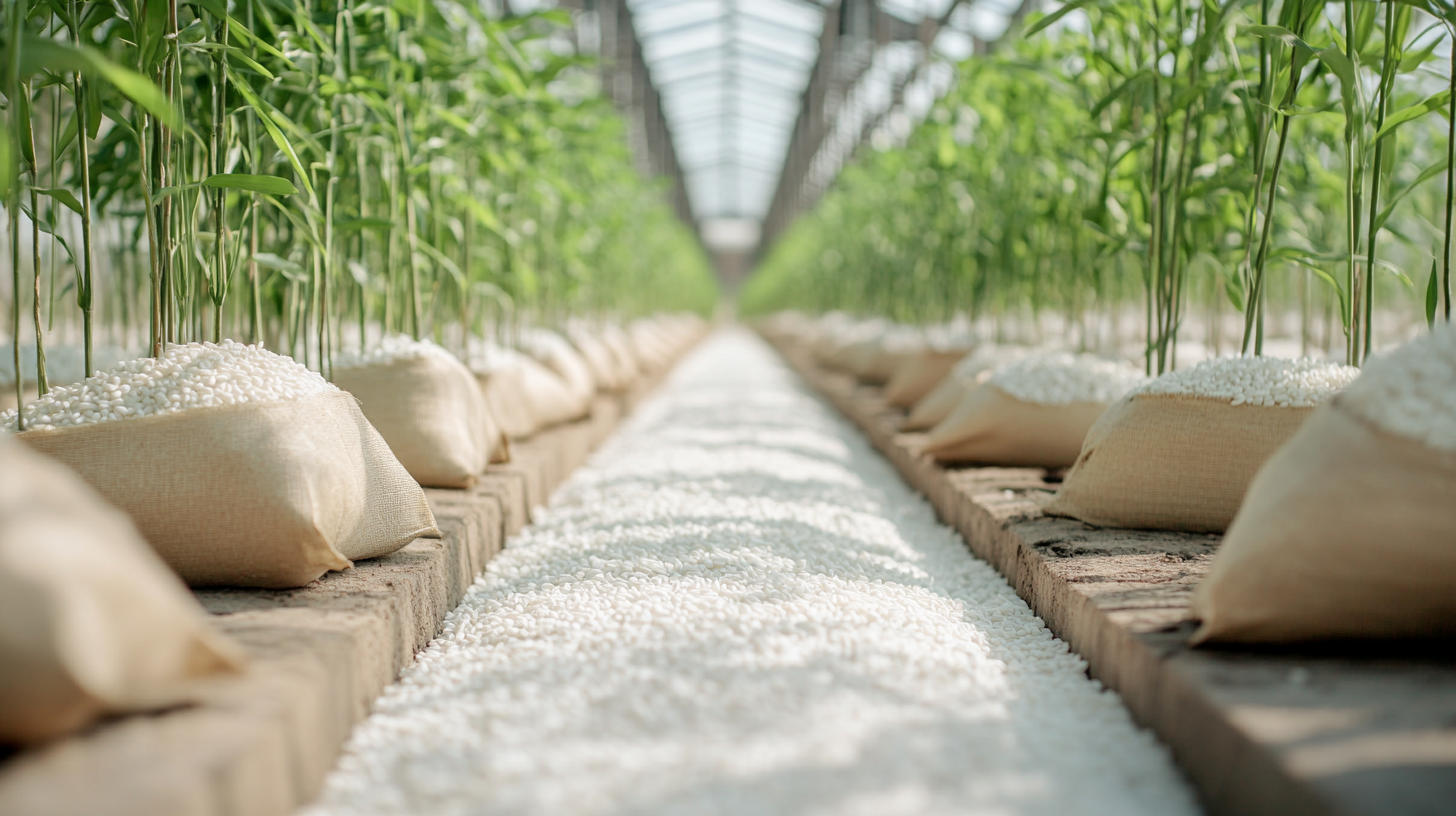
As we think about what’s coming in 2025, there's this exciting buzz around rice konjac products, and honestly, it’s a game-changer! With its amazing nutritional perks—like being super high in fiber and low in calories—rice konjac is really proving to be a healthier swap for those everyday food staples we all know. This flexibility doesn’t just hit home with health-conscious folks; it also vibes perfectly with the growing trend towards plant-based eating. So, for anyone in product development, this seems like a golden opportunity.
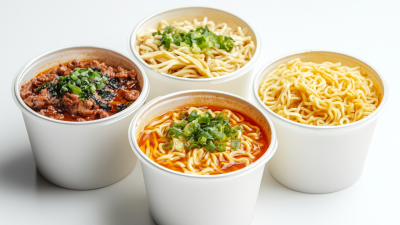
By tapping into its natural goodness, brands can whip up all sorts of products. I mean, we’re talking noodles, rice alternatives, snacks, maybe even desserts! The beauty of rice konjac is its versatility; companies can get super creative with flavors and textures to attract a broad range of eaters who are keen on healthier options. Oh, and let’s not forget how crucial sustainability is these days. Putting the spotlight on how eco-friendly rice konjac production is could really boost its appeal. With more and more folks making eco-conscious choices, showcasing these aspects will surely help brands connect better with their audiences—and who doesn’t want to be part of that growing sector?
Revitalize Your Meals: Exploring the Benefits of Healthy Grain Rice Low GI Meal Replacement
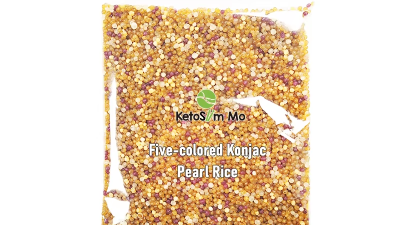
In today’s fast-paced world, finding nutritious meal options can be a challenge. This is where low glycemic index (GI) foods, such as KetoSlimmo Five-Color Whole Grain Pearl Rice, come into play. Studies indicate that low GI foods can help maintain stable blood sugar levels, which is crucial for controlling hunger and optimizing energy throughout the day. Each vibrant color of this rice symbolizes its rich nutrient content and high fiber profile, making it an excellent choice for those seeking a balanced diet.
KetoSlimmo’s pearl rice requires no complicated preparation, allowing for quick meals that fit seamlessly into any lifestyle. High dietary fiber intake has been linked to numerous health benefits, including improved digestion and a lower risk of chronic diseases. With each serving being low in calories yet high in nutrients, this rice not only nourishes but also satisfies hunger effectively. It’s a perfect option for busy individuals needing a healthy meal on the go.
Quality and safety are paramount, and KetoSlimmo ensures that its products meet rigorous industry standards, holding multiple certifications including ISO and HACCP. This guarantees that consumers receive a product that is not only delicious but also reliable in its health benefits. Try KetoSlimmo’s Five-Color Whole Grain Pearl Rice today, and see how easy it is to incorporate more wholesome grains into your meals!
: Strategic partnerships are essential for enhancing supply chains, improving efficiency, and fostering innovation by collaborating with farmers, suppliers, and technology providers.
Successful partnerships can be ensured by identifying complementary strengths, aligning goals for mutual benefit, and maintaining regular communication through joint meetings.
Investing in technology enhances visibility across the supply chain, allowing all partners to respond quickly to changes in demand or supply disruptions.
Businesses should consider diversifying partnerships to include traditional suppliers, research institutions, and niche players in the industry to boost innovation.
Emphasizing sustainability within partnerships helps meet consumer demands and positions businesses as leaders in responsible practices, driving growth in the rice konjac sector.
Rice konjac offers opportunities for innovative product development due to its nutritional profile, being rich in dietary fiber and low in calories, appealing to health-conscious consumers.
Brands can create a variety of offerings from rice konjac, including noodles, rice substitutes, snacks, and desserts, allowing for experimentation with flavors and textures.
Highlighting the environmental sustainability of rice konjac production helps brands connect with consumers who prioritize sustainable purchasing decisions, enhancing market appeal.
The global shift towards plant-based diets and increasing consumer interest in healthy, low-calorie options support the growth of rice konjac products in the market.
Well-established partnerships enable companies to effectively address supply chain challenges, ensuring consistent product quality and facilitating knowledge sharing.