Lately, 'Jelly Weight Loss' has become a pretty popular topic among folks into health stuff. Honestly, more and more people are trying out jelly products, hoping they’ll help shed a few extra pounds. What’s cool about jelly is that it’s low in calories and comes in tons of flavors, so it doesn’t feel boring. Some people even find it kinda satisfying and fun to eat, which makes losing weight seem less like a boring chore.
That said, there are some important things to keep in mind. Relying only on jelly to lose weight isn’t the best idea — it can mess with your nutrition if you’re not careful. Sure, it’s tasty and fun, but it shouldn’t be the main thing in your diet. I’ve seen a bunch of folks trying it out—some saw pretty quick results, while others felt kinda let down or didn’t see much change. So, while Magic Jelly Weight Loss might have potential, you gotta approach it with a bit of caution.
Adding jelly into your meal plan could actually help you stay motivated to make healthier choices. Just remember, moderation is everything. Eating too much of it can lead to unwanted weight gain. Plus, what works great for one person might not do much for someone else, so listen to your body. As you consider using jelly in your weight loss journey, take a moment to think about what your actual goals are and what fits best with your diet. Taking it slow and staying mindful is the way to go.

What is Jelly and Its Nutritional Profile?
Jelly is a popular food product made from fruit juice, sugar, and gelatin. It has a unique texture that many people enjoy. Nutritionally, jelly is relatively low in calories. A typical serving contains about 50 calories, with minimal fat and protein. However, it is high in sugar. A 100-gram serving can contain over 45 grams of sugar, depending on the type.
Consuming high-sugar foods may lead to weight gain. The World Health Organization recommends limiting added sugars to less than 10% of total energy intake. This makes jelly a food worth considering carefully in a weight-loss plan. Many people may not realize how quickly those calories can add up.
Tip: Look for sugar-free or reduced-sugar options. These products can help maintain flavor without adding excessive calories.
Some jellies also provide vitamins, mainly if they’re made with real fruit juice. However, the benefits can be overshadowed by high sugar levels. So, it's essential to read nutrition labels carefully.
Tip: Try using jelly as a small treat rather than a regular snack. Moderation is key to incorporating jelly into a healthy diet while aiming to lose weight.
How Does Jelly Contribute to Weight Loss?
Jelly can be a surprising ally in your weight loss journey. Its unique texture provides a satisfying treat without the heavy calories found in many desserts. Konjac jelly, in particular, is gaining popularity due to its main ingredient, konjac flour. This natural source of soluble fiber can help keep hunger at bay. When consumed, it expands in your stomach, promoting a feeling of fullness.
Adding konjac jelly to your meals may lead to some weight loss benefits. You can enjoy it in various forms—like a refreshing dessert or a unique ingredient in salads. It can make a great snack when you crave something sweet. However, it's essential to be mindful of portion sizes. Eating too much jelly can lead to digestive discomfort for some people. Experiment and find the right balance that works for you.
Many overlook how jelly’s low-calorie content can fit into a diverse diet. It can be a fun way to relish your favorite flavors without overindulging. However, it’s important to integrate it wisely with other nutritious foods. For effective results, pair Konjac Jelly Weight Loss with regular exercise and healthy meals. A holistic approach can provide better outcomes than relying solely on one food or ingredient.
The Role of Gelatin in Appetite Suppression
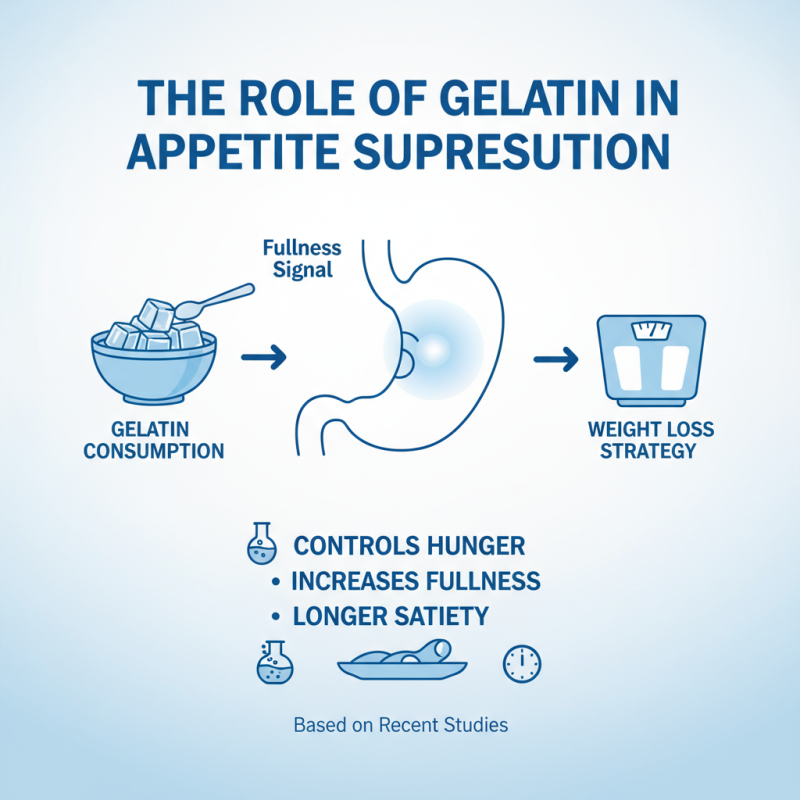
Gelatin plays a surprising role in appetite suppression. Many people seek effective strategies for weight loss. Recent studies indicate that gelatin consumption may help control hunger. Researchers found that gelatin increases feelings of fullness. Subjects reported feeling satisfied longer after eating gelatin-rich foods.
In a report by the Journal of Nutrition, participants who consumed gelatin experienced a significant reduction in snack cravings. This can be particularly helpful for those aiming for Jelly Weight Loss. Additionally, gelatin is low in calories, making it an excellent option for those looking to cut down on snacks. But not all gelatin products are created equal. Some contain added sugars that counteract their weight loss benefits.
On the other hand, it is essential to consider the overall diet. Relying solely on gelatin won't lead to successful weight management. Balance is key. Experts suggest combining gelatin with protein-rich foods for more significant effects. Trying different recipes can make the process enjoyable. However, there is no one-size-fits-all solution. Individuals may need to experiment to find what works best for them.
Low-Calorie vs. High-Calorie Jelly Options
When considering weight loss options, choosing the right jelly can make a significant difference. Low-calorie jelly options often contain fewer than 50 calories per serving. These delightful treats can satisfy sweet cravings without adding excessive calories. On the other hand, high-calorie jelly can pack over 150 calories per serving, primarily due to added sugars and flavorings. It's essential to read labels carefully.
Reports from nutrition studies show that people who replace high-calorie foods with low-calorie alternatives can see substantial weight loss. The Jelly Diet For Weight Loss can fit into this strategy. However, not all jelly is created equal. Some brands might add preservatives or artificial sweeteners that you might want to avoid. These choices could lead to digestive discomfort or cravings for more sugary treats.
Tips for incorporating jelly into your diet: opt for those sweetened with natural fruit juices, offering vitamins too. Try pairing jelly with whole-grain toast instead of sugary pastries. This combo can balance your meal, providing fiber alongside those low calories. Be mindful of portion sizes. Sometimes, even low-calorie options can add up. After all, moderation is key in any weight loss journey.
Combining Jelly with a Balanced Diet for Weight Management
Jelly can be a delightful addition to a balanced diet when considering weight management. Its low-calorie nature makes it an attractive option. When combined with fresh fruits, it can provide essential vitamins and minerals. This pairing not only enhances flavor but also increases fiber intake, which is crucial for feeling full. However, one must remain cautious about portion sizes. Overindulgence, even with low-calorie foods, can derail weight goals.
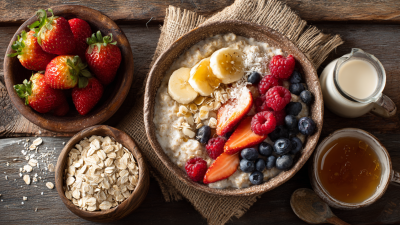
Incorporating jelly into meals presents both opportunities and challenges. Enjoying a jelly dessert after a healthy meal is one way to satisfy a sweet craving. However, it’s essential to choose sugar-free or low-sugar options. Balancing jelly with nutritious foods, like yogurt or oatmeal, can create a fulfilling snack. Yet, some people might find it hard to resist the urge to eat too much. Reflecting on portion control is vital. Keep servings reasonable, and listen to your body’s hunger cues.
Potential Downsides of Jelly for Weight Loss
Jelly can seem like a tempting option for those seeking to shed pounds. It is sweet and low in calories, which makes it a popular choice. However, it is essential to consider the drawbacks of incorporating jelly into your weight loss plan.
One significant downside is that jelly often contains added sugars. These sugars can lead to increased cravings, making it harder to resist other high-calorie foods. In essence, while jelly might appear harmless, it could trigger adventures into unhealthy snacking. Additionally, jelly lacks fiber and protein. Without these essential nutrients, you may feel hungry soon after consumption.
Another point to ponder is how jelly fits into daily meals. Depending solely on jelly can create an unbalanced diet. It might seem efficient, but it fails to provide the nutrients necessary for energy. This could lead to fatigue and poor decision-making around food. Thus, if you're looking to lose weight, examining jelly's role is crucial.
Expert Opinions on Jelly as a Weight Loss Aid
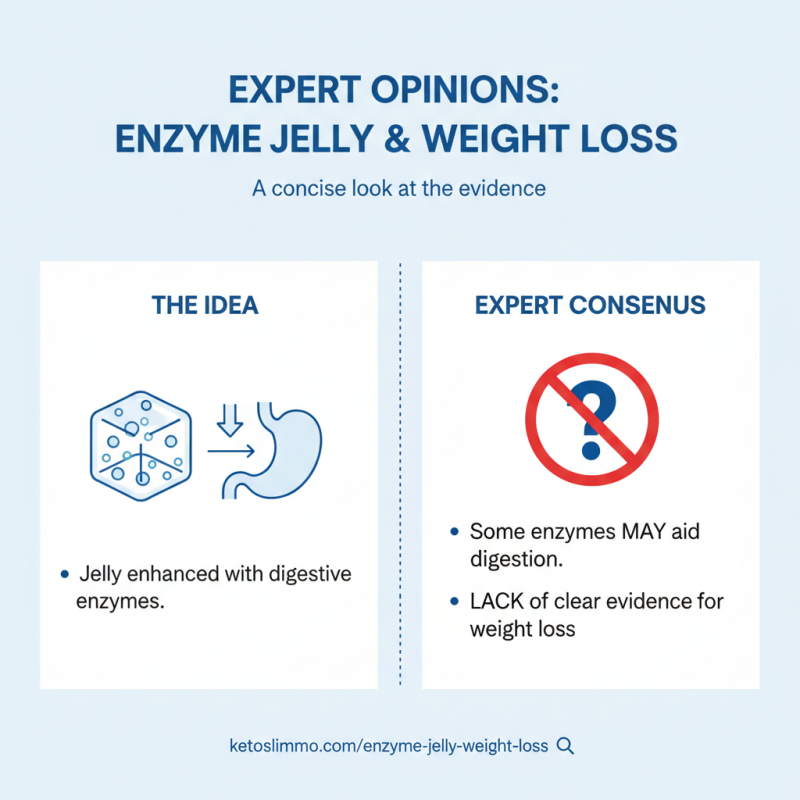
The conversation around weight loss aids is evolving. One interesting option is jelly, particularly the kind enhanced with enzymes. Experts are increasingly discussing the potential benefits of “Enzyme Jelly Weight Loss.” While some studies suggest that certain enzymes can aid digestion, the evidence for jelly’s effectiveness lacks clarity.
A recent report by the Global Nutrition Association found that participants who included enzyme-rich products in their diets reported better digestion and satisfaction. This could suggest that jelly, when combined with a balanced diet, might help control cravings. However, this does not mean it is a magic solution for everyone. The actual impact on weight can vary.
Some nutritionists caution against relying solely on jelly as a weight loss aid. While it may reduce appetite for some, it could lead others to overindulge in other foods. A careful consideration of total caloric intake is essential. The reality is that jelly should complement a healthy lifestyle rather than replace it. Achieving lasting results is often a complex process.
FAQS
: Low-calorie jellies usually have fewer than 50 calories per serving. They can satisfy sweet cravings without excessive calories.
Some jellies contain added sugars or preservatives. Reading labels helps you make better choices for your diet.
Replacing high-calorie foods with low-calorie jelly can aid weight loss. However, not all jelly is beneficial for this purpose.
Yes, jelly often has added sugars. This can increase cravings, making it difficult to avoid high-calorie snacks afterward.
Pair jelly with whole-grain toast. This combination adds fiber and helps balance your meal.
Jelly lacks fiber and protein, which can lead to hunger soon after eating. Consider this when planning meals.
Relying solely on jelly can lead to an unbalanced diet. This may result in fatigue and poor food choices.
Look for jellies sweetened with natural fruit juices. They provide more nutrients and are generally healthier.
Moderation is key. Watch portion sizes, even with low-calorie jelly options.
Yes, if used wisely. Balance jelly with other nutritious foods to maintain a healthy eating pattern.
Conclusion
The article titled "Can Jelly Help You Lose Weight Effectively?" explores the potential of jelly as a weight loss aid by examining its nutritional profile and various factors that influence weight management. Jelly, typically low in calories, can contribute to weight loss by providing a satisfying treat without excessive energy intake. The gelatin present in jelly may also play a role in appetite suppression, helping individuals manage their cravings.
However, the article discusses the importance of choosing low-calorie jelly options and emphasizes the need for combining jelly with a balanced diet to achieve effective results in jelly weight loss. While jelly can be a fun addition to a weight loss regimen, potential downsides are acknowledged, including its sugar content in some varieties. Overall, expert opinions suggest that while jelly may assist in weight loss efforts, it should be consumed thoughtfully and as part of a comprehensive dietary approach.

 Email
Email Whatsapp
 WeChat