In today’s world, where so many of us are becoming more health-conscious, it’s no surprise that more folks are interested in the benefits of eating Foods Without Sugar. As people try to cut back on sugar, it’s really important to understand how to enjoy tasty, satisfying meals without sacrificing flavor or nutrition. This shift isn’t just about physical health — it also boosts overall happiness and energy, which is why so many families and individuals are talking about it.
Getting into a diet that’s packed with Foods Without Sugar can actually do a lot for you — from keeping your energy steady throughout the day, to lifting your mood, and even helping with weight management over time. There are so many delicious options out there, like colorful fruits, fresh veggies, and creative recipes that skip the added sugars. So, whether you love a sweet snack or a hearty meal, there are plenty of ways to enjoy food that’s both tasty and better for you. In this article, I’ll share some simple tips, tempting recipes, and how cutting down on sugar can really make a difference in your daily life. Remember, enjoying good food doesn’t have to mean loading it with sugar — once you get that idea out of your head, you’ll see just how many amazing culinary possibilities open up for nourishing your body and your mind.

Understanding the Impact of Sugar on Health: Statistics and Trends
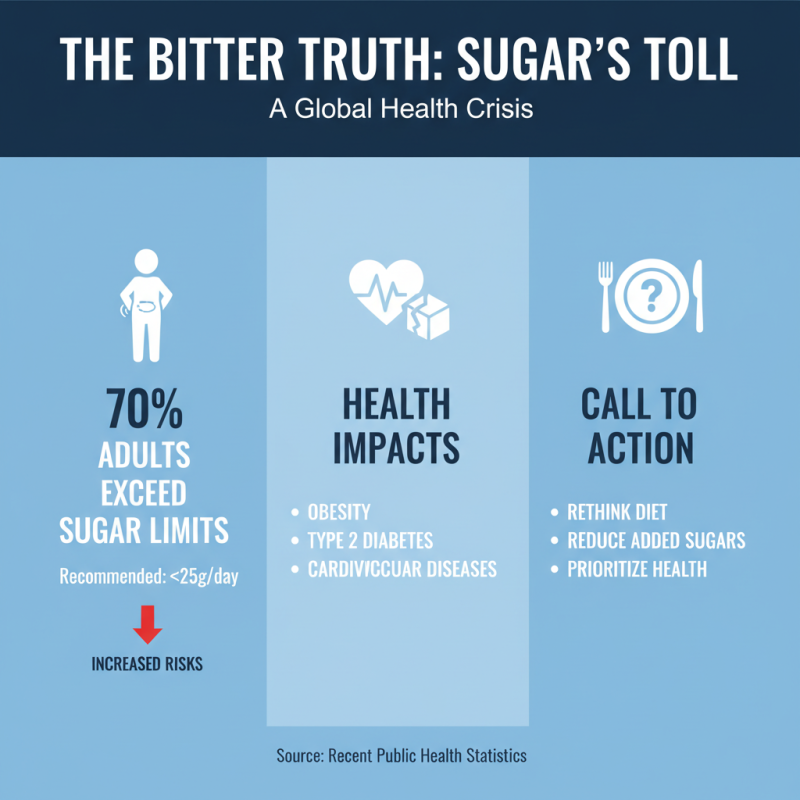
Excessive sugar consumption has become a critical public health issue, contributing to a range of adverse health outcomes. Recent statistics reveal that approximately 70% of adults in many countries exceed the recommended limits for added sugars, leading to increased instances of obesity, type 2 diabetes, and cardiovascular diseases. These trends underscore the urgent need for individuals to reconsider their dietary habits and the role that sugar plays in their health.
Research shows that high sugar intake not only affects physical health but also has implications for mental well-being. Studies indicate a link between high sugar diets and an increased risk of developing depression and anxiety. Furthermore, the impact of sugar on our metabolism can lead to energy crashes and cravings, creating a cycle of dependency that is difficult to break. As awareness of these health risks spreads, many are seeking alternatives to sugary foods, focusing instead on whole, nutrient-dense ingredients that provide satisfaction without the detrimental effects of added sugars. This shift towards a healthier lifestyle is supported by a growing number of foods and resources designed to help individuals enjoy a balanced diet free from excess sugar.
Identifying Sugar Sources in Everyday Foods: A Comprehensive Guide
Understanding sugar sources in everyday foods is crucial for adopting a healthier lifestyle, particularly as sugar consumption has reached alarming levels in many diets. According to the World Health Organization (WHO), excessive sugar intake can lead to a range of health issues, including obesity and type 2 diabetes. On average, Americans consume around 17 teaspoons of added sugars daily, which is far above the WHO's recommendation of just 6 teaspoons for women and 9 teaspoons for men. Identifying hidden sugars in foods can empower individuals to make better dietary choices.
Common sources of added sugars often lurk in foods that might seem healthy at first glance. For instance, fruit juices, smoothies, and yogurt can contain significant amounts of added sugars, sometimes equating to or exceeding those found in sodas. A study published in the American Journal of Clinical Nutrition has shown that nearly 70% of processed foods contain added sugars, making it essential to read nutrition labels carefully. By focusing on whole foods, such as fruits, vegetables, lean proteins, and whole grains, individuals can greatly reduce their sugar intake while still enjoying a diverse and satisfying diet.
Exploring Healthy Sugar Alternatives: Natural and Artificial Options
When exploring healthy sugar alternatives, it's essential to understand both
natural and artificial options available today. Natural sweeteners, such as
honey, maple syrup, and
agave nectar, provide a more nutrient-rich approach to sweetness compared
to refined sugar. These alternatives often contain vitamins, minerals, and antioxidants that can contribute positively
to your overall health. However, moderation is crucial, even with these natural options, as they still impact blood
sugar levels.
On the other hand, artificial sweeteners like aspartame,
sucralose, and stevia offer a zero-calorie
diversity to your diet. They can be particularly beneficial for those looking to reduce caloric intake while still
enjoying the comfort of sweetness in their food and beverages. Stevia, derived from the leaves of the Stevia plant,
is a popular choice as it is not only calorie-free but also has minimal impact on blood glucose
levels, making it an excellent option for individuals with diabetes. Each alternative comes with its unique flavor
profile and potential health effects, emphasizing the importance of personal preference
and individual wellness goals in navigating the world of sugar substitutes.
Meal Planning Strategies for a Sugar-Free Diet: Practical Tips
Meal planning is a crucial strategy for anyone looking to adopt a
sugar-free diet. To start, focus on creating a
weekly menu that emphasizes whole, unprocessed foods. Incorporate plenty of
fresh fruits, vegetables, whole grains, lean proteins, and healthy fats.
By mapping out your meals in advance, you not only save time but also reduce the temptation to reach for
sugary convenience foods. A well-structured plan can inspire creativity in the kitchen,
as you explore different recipes and flavor combinations that highlight
the natural sweetness of foods without added sugar.
Another effective approach is to batch cook and prepare snacks in advance.
Make large portions of healthy staples like quinoa, roasted vegetables, or grilled chicken, and portion them into individual
containers for easy access throughout the week. Keep a selection of
sugar-free snacks, such as nuts, seeds, and cut-up veggies, on hand to
curb cravings and prevent last-minute unhealthy choices. Additionally, reading ingredient labels can help you stay informed
about hidden sugars in packaged foods, making your meal planning
more effective and aligned with your health goals. This proactive strategy will enable you
to enjoy delicious meals while maintaining a healthier lifestyle.
Nutritional Benefits of Whole Foods: Building a Healthier Plate
Building a healthier plate is essential for enjoying foods without sugar. Whole foods, such as fruits, vegetables, whole grains, nuts, and seeds, are packed with nutrients that provide both health benefits and satisfying flavors. These foods are not only rich in vitamins and minerals but also aid in better digestion and help regulate blood sugar levels, making them excellent choices for those looking to reduce sugar intake.
**Tips:** Start by incorporating more colorful vegetables into your meals. A variety of colors often indicates a wider range of nutrients. Aim for half your plate to consist of vegetables, which can help you feel full and satisfied without added sugars. Additionally, swap out processed grains for whole grains like quinoa or brown rice, which release energy more slowly and will keep you energized throughout the day.
Fruits can be a natural substitute for sugary snacks. Fresh or frozen, they are delicious and offer a wealth of antioxidants. When craving something sweet, try creating a fruit salad or blending a smoothie with your favorite fruits and greens. This way, you can enjoy the natural sugars found in fruits while avoiding refined sugars altogether. By focusing on whole foods, you can build a plate that nurtures your body and keeps your sweet cravings in check.
2025 How to Enjoy Foods Without Sugar for a Healthier Lifestyle - Nutritional Benefits of Whole Foods: Building a Healthier Plate
| Food Item |
Calories (per 100g) |
Sugar Content (g) |
Fiber Content (g) |
Protein Content (g) |
Key Nutritional Benefits |
| Quinoa |
120 |
0.9 |
2.8 |
4.0 |
Gluten-free, high in protein |
| Spinach |
23 |
0.4 |
2.2 |
2.9 |
Rich in vitamins A, C, and K |
| Chickpeas |
164 |
0.0 |
7.6 |
8.9 |
High in protein, aids digestion |
| Avocado |
160 |
0.7 |
6.7 |
2.0 |
Heart-healthy fats, fiber-rich |
| Blueberries |
57 |
10.0 |
2.4 |
0.7 |
Antioxidant-rich, boosts brain health |
Monitoring Health Improvements: Tracking Progress and Adjustments
Monitoring health improvements while transitioning to a sugar-free diet is crucial for maintaining motivation and recognizing the benefits of your lifestyle changes. Start by establishing a baseline of your current health metrics, such as weight, blood sugar levels, and energy levels. Keeping a daily or weekly journal can help you document not just these measurements but also your feelings, cravings, and overall mood. This reflection allows you to identify patterns and make more informed adjustments to your diet.
As you progress, use this tracking method to establish goals and celebrate small victories. For instance, if you notice improved energy levels or a decrease in sugar cravings within a few weeks, take note of these changes. This positive reinforcement encourages you to stay committed to your healthier lifestyle. Remember to adjust your approach based on what you learn; if certain alternative sweeteners or snacks lead to cravings, consider experimenting with other options. By continuously monitoring your health improvements, you can refine your diet and adapt it to your body’s responses, ensuring a more enjoyable and sustainable path to a sugar-free lifestyle.
Health Improvements After Reducing Sugar Intake
Incorporating Mindful Eating Practices: Enhancing Food Enjoyment Without Sugar
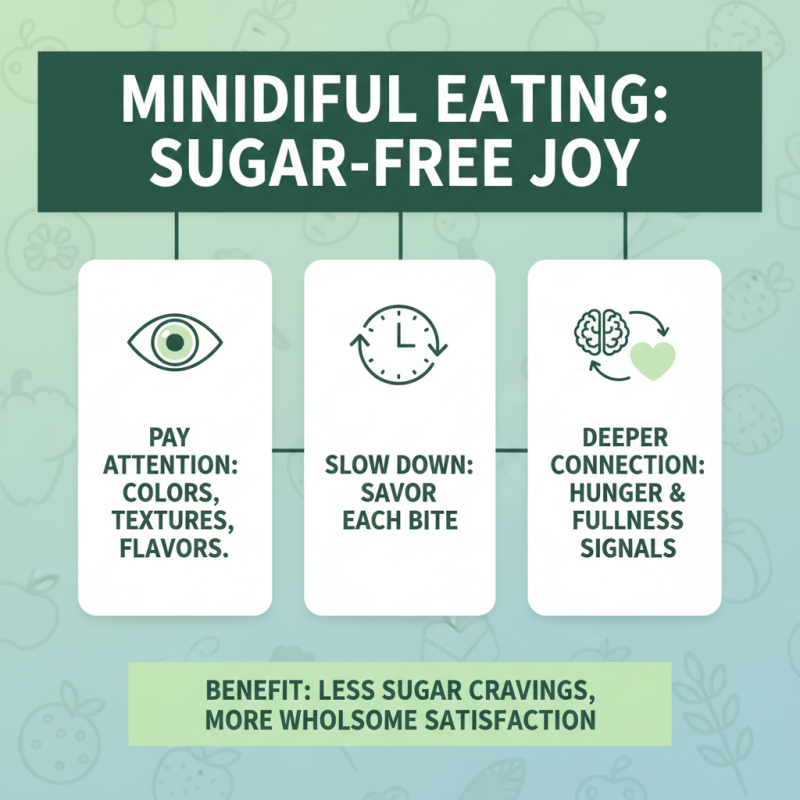
Mindful eating is an essential practice for those looking to enjoy foods without sugar while cultivating a healthier lifestyle. This approach encourages individuals to pay close attention to the colors, textures, and flavors of their meals, enhancing the overall eating experience. By slowing down and savoring each bite, one becomes more attuned to the body's hunger and fullness signals, fostering a deeper connection to food. This attentiveness helps mitigate cravings for sugary items, as it shifts the focus toward appreciating natural flavors and the satisfaction that wholesome ingredients provide.
Incorporating mindful eating practices can also open new avenues for discovering delicious, sugar-free alternatives. Experimenting with herbs, spices, and natural sweeteners can enhance the sensory appeal of meals while keeping sugar at bay. Additionally, setting the dining environment by minimizing distractions—such as screens and noise—further facilitates this mindful approach. This serene atmosphere allows for a more profound appreciation of food, increasing enjoyment without the need for added sugars. Ultimately, by embracing mindful eating, individuals can transform their relationship with food, enjoying every meal while prioritizing their health.
FAQS
: Focus on creating a weekly menu that includes whole, unprocessed foods, such as fresh fruits, vegetables, whole grains, lean proteins, and healthy fats. Batch cooking and preparing snacks in advance can also be helpful.
By making large portions of healthy staples like quinoa and grilled chicken and storing them in individual containers, you ensure easy access to nutritious meals throughout the week, reducing the temptation for sugary convenience foods.
Keeping a selection of sugar-free snacks, such as nuts, seeds, and cut-up vegetables, can help curb cravings and prevent last-minute unhealthy choices.
Monitoring health metrics like weight and energy levels helps maintain motivation and allows individuals to recognize the benefits of their dietary changes, encouraging further commitment.
By keeping a journal of health metrics and feelings, individuals can identify patterns and make informed dietary adjustments, allowing them to refine their approach based on what works best for them.
Mindful eating involves paying close attention to the sensory aspects of food, which enhances the eating experience and can help reduce cravings for sugary items by fostering appreciation for natural flavors.
Set the dining environment to minimize distractions, such as screens or noise, which helps facilitate a deeper connection with food and increases overall enjoyment.
Establish goals and take note of improvements, like increased energy levels or reduced cravings, as these small victories serve as positive reinforcement to maintain the healthier lifestyle.
Experimenting with herbs, spices, and natural sweeteners can elevate the sensory appeal of dishes while keeping them free from added sugars.
A well-structured meal plan fosters creativity in the kitchen and encourages the exploration of recipes that highlight the natural sweetness of foods, reducing reliance on sugary options.
Conclusion
The article titled "2025 How to Enjoy Foods Without Sugar for a Healthier Lifestyle" provides a comprehensive guide for individuals seeking to reduce or eliminate sugar from their diets. It begins by exploring the detrimental effects of sugar on health, supported by relevant statistics and trends. Readers are then guided on how to identify sugar sources in everyday foods, helping them become more aware of hidden sugars in their meals.
The article also delves into healthy sugar alternatives, offering both natural and artificial options that can enhance the flavor of dishes without compromising health. Practical meal planning strategies for a sugar-free diet are discussed, alongside the nutritional benefits of incorporating whole foods into daily meals. Additionally, the importance of monitoring health improvements and practicing mindful eating is emphasized, allowing individuals to enjoy delicious Foods Without Sugar while making positive lifestyle changes.

 Email
Email Whatsapp
 WeChat