Nowadays, with everyone really focused on staying healthy, new and interesting ways to lose weight are popping up more and more. One approach that's been catching some attention is the Jelly Diet For Weight Loss. Basically, it involves adding specially made jellies into your daily meals—these are designed to help you feel full longer and cut down on calories overall. And these days, you can find some great wholesale options, making it kinda easier for folks who are interested in trying it out.
Now, I gotta say, while the idea of a Jelly Diet sounds pretty tempting, it’s super important to look under the hood and understand the science behind it. Not all jellies are the same, and what’s actually in them matters a lot. For example, jellies with added fiber can boost digestion and help keep cravings in check. But, don’t just grab the first one you see—be sure to check the nutrition labels before making a call.
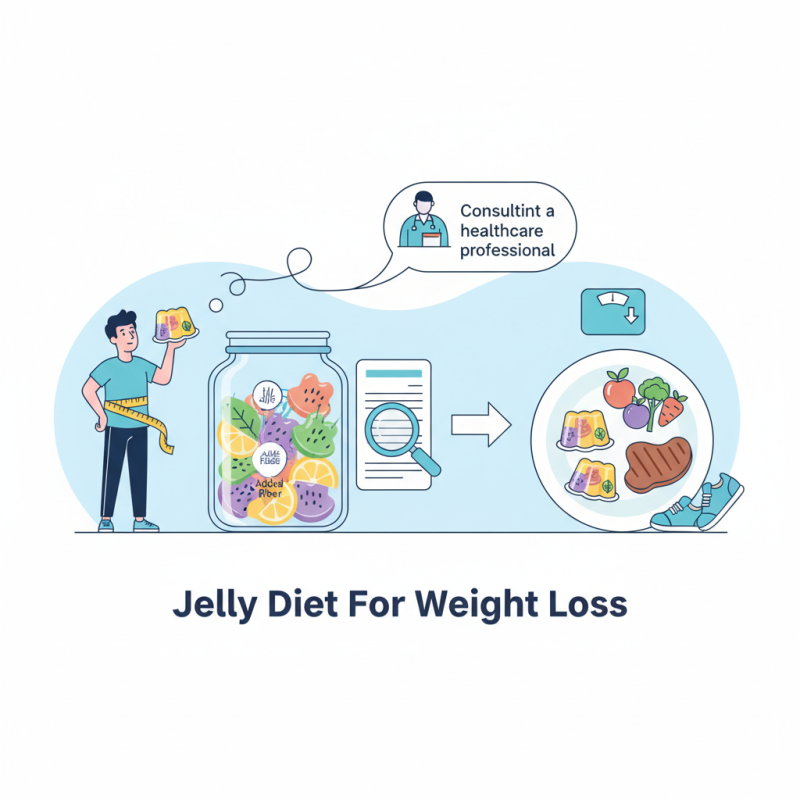
Weight loss isn’t exactly a one-size-fits-all deal, and everyone's journey is different. So, it’s smart to think about a personalized plan and maybe chat with a healthcare pro before diving into something new. The Jelly Diet can definitely offer a fresh perspective, but let’s be real—it’s not some magic fix. Pairing it with a balanced diet and regular exercise is really the way to go for sustainable, long-term results.
Understanding Jelly Diets: Overview and Nutritional Value
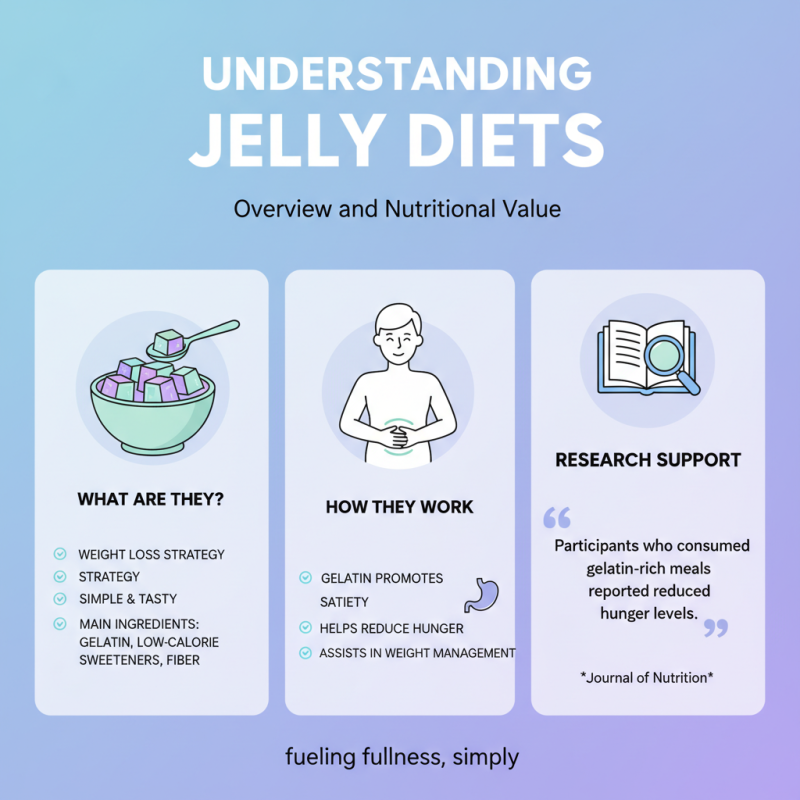
Jelly diets have gained traction as a weight loss strategy. They often appeal due to their simplicity and taste. A typical jelly diet consists mainly of gelatin, low-calorie sweeteners, and sometimes fiber. Research indicates that incorporating gelatin can help promote satiety, which may assist in weight management efforts. A report published in the *Journal of Nutrition* found that participants who consumed gelatin-rich meals reported reduced hunger levels.
While jelly diets can be beneficial, they are not without concerns. Nutritionists point out that relying solely on jelly for nutrition may lead to deficiencies. For instance, essential proteins, vitamins, and minerals are often lacking. A well-rounded diet should include a variety of food groups for optimal health. Always read nutritional labels carefully. This helps ensure you are not missing out on essential nutrients.
Tips for those considering a jelly diet: Start with small portions and gradually increase as your body adjusts. Consider incorporating fruits or nuts into your jelly for added nutrition. Stay hydrated, as the body needs sufficient water to process gelatin effectively. Regularly assess your dietary intake to ensure your nutritional needs are being met.
Benefits of Custom Wholesale Jelly for Weight Loss
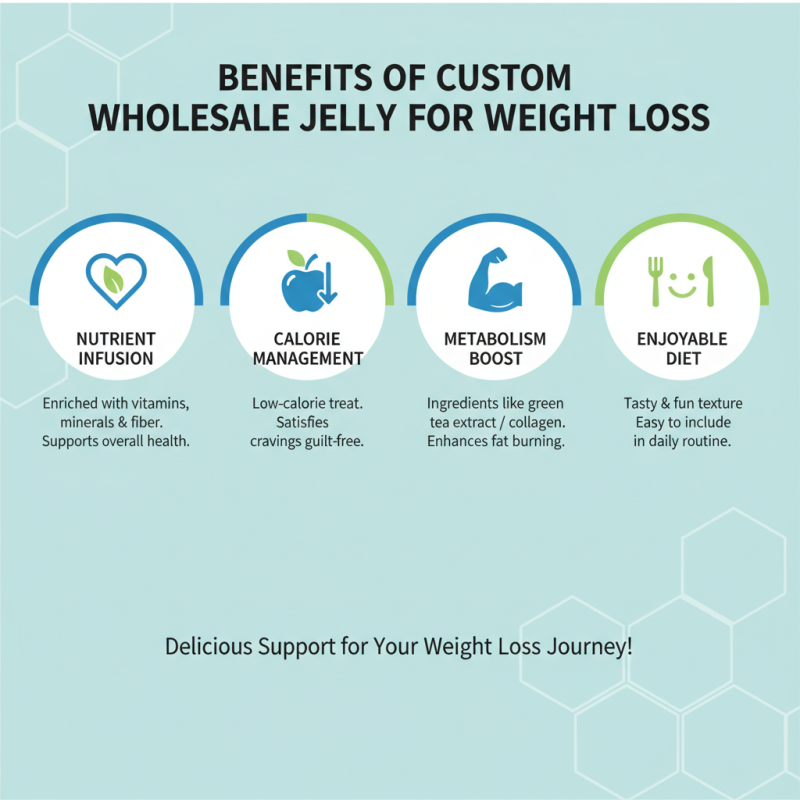
Custom wholesale jelly has gained popularity as a unique option for weight loss support. This tasty treat can be infused with various nutrients. It offers potential benefits for those on a weight loss journey. The jelly form is appealing and can make managing calories more enjoyable. People often find it easier to include such products in their diets.
One significant benefit is the ability to control ingredients. Customizable options mean you can add fiber or protein. These components promote satiety, helping you feel full for longer periods. Additionally, the right blend can enhance metabolism. Sometimes, people forget to focus on what helps them. Regularly assessing what you consume is key.
Tips to maximize benefits include monitoring your overall diet. Custom jelly should complement a balanced meal plan. Experimenting with flavors can keep things interesting and encourage consistent use. Finding a consistent routine is important. Some may struggle initially with the taste or texture, so gradual incorporation works best. Adapting your preferences takes time. Regular reflection on your dietary choices promotes better results.
Key Ingredients in Jelly Diets and Their Effects on Metabolism
Jelly diets have gained attention for their potential weight loss benefits. These diets often use key ingredients that can influence metabolism. Common components like gelatin, fiber, and certain fruits deliver nutrients while promoting a feeling of fullness. Gelatin aids digestion and can help stabilize blood sugar levels, making it easier to manage cravings.
When embarking on a Diet Jelly For Weight Loss, it's crucial to consider the balance of ingredients. Over-reliance on sweeteners can lead to unwanted appetite stimulation. Incorporating fresh fruits or natural flavors can enhance taste without adding excess sugars.
Tips: Monitor portion sizes carefully. A well-balanced jelly can support weight loss, but it's not a magic solution. Pairing these jellies with a balanced diet and regular exercise maximizes results. Check how each ingredient affects your body. What works for one person may not work for another. Reflect on your individual reactions to different components. Understanding your body can guide healthier choices.
Considerations Before Starting a Jelly Diet for Weight Loss
Before embarking on a Custom Jelly Diet For Weight Loss, it’s important to understand various considerations. Recent studies indicate that diets high in fiber, including jellies made from fruits, may promote satiety and assist in calorie control. However, relying solely on jelly can lead to nutrient deficiencies. Balanced nutrition remains crucial for overall health and effective weight management.
Many individuals may underestimate the psychological aspects of diets. A Custom Jelly Diet for Weight Loss can feel restrictive. This might lead to cravings or binge eating. A report from the Journal of Nutrition suggests that diverse food intake fosters better dietary satisfaction. Incorporating a wider range of foods may support long-term success.
Furthermore, it’s essential to monitor added sugars in jellies. Some commercially available options contain high sugar levels, which can impede weight loss. The American Heart Association recommends limiting daily added sugars. Individuals should also consider moderation and variety. A diet focusing solely on jelly might not be sustainable. Reflection on personal dietary habits can help create a more balanced approach.
Potential Side Effects and Health Risks of Jelly Diets
The Wholesale Jelly Diet For Weight Loss has gained popularity for its innovative approach to dieting. However, it's essential to understand the potential side effects tied to such diets. Some individuals may experience gastrointestinal discomfort, including bloating and cramps. This can occur due to the high fiber content in jelly products. Monitoring one's reaction to these foods is crucial for a positive dieting experience.
Additionally, excessive consumption of jelly-based products can lead to nutritional deficiencies. Relying solely on jelly for weight loss means missing out on essential vitamins and minerals found in whole foods. This restriction can affect energy levels and overall health. It’s vital to balance the jelly diet with a variety of nutrient-dense foods.
Some people may also encounter psychological effects. The structured nature of the Wholesale Jelly Diet for Weight Loss may breed an unhealthy relationship with food. Feelings of deprivation can lead to binge eating later on. Reflecting on one’s eating habits and emotional triggers is key to ensuring a sustainable approach to weight loss. Engaging with a healthcare professional can provide valuable insights and support during this journey.
Comparing Jelly Diets with Other Weight Loss Methods
When comparing jelly diets with other weight loss methods, it’s important to consider several factors.
Custom Diet Jelly For Weight Loss offers a unique approach.
It focuses on taste and satisfaction while helping control hunger.
Unlike traditional diets, which may feel restrictive, jelly can provide a sweet treat.
However, some might find the texture off-putting, which can affect their commitment to the diet.
The jelly diet is often seen as a fun option. However, sustainability is key.
Many people have trouble sticking to any diet over time. The challenge with jelly diets lies in balancing flavors and nutrients.
While they can be low in calories, ensure they provide essential vitamins and minerals.
This balance is vital to avoiding nutrient deficiencies.
Tips: Stay hydrated while on any diet.
Water can help enhance the effectiveness of jelly.
Additionally, incorporating physical activity will improve results.
Monitoring your responses to the jelly diet is crucial.
Not everyone will react the same way, and adjustments may be necessary.
Listen to your body and be prepared to adapt as needed.
Tips for Incorporating Jelly Diets into a Balanced Lifestyle
Incorporating a jelly diet into your lifestyle can be a fun yet challenging journey. Studies from nutrition experts suggest that such diets may help with weight loss due to their low-calorie nature. For example, jelly is often low in fat and high in water content, which can promote a feeling of fullness. A report by the American Journal of Clinical Nutrition notes that individuals who consumed water-rich foods lost more weight over time. However, while jelly diets can provide temporary benefits, reliance solely on them can be limiting.
Balancing your jelly intake with other foods is essential. A well-rounded diet includes proteins, whole grains, and vegetables. Adding fruit to your jelly can enhance nutrients and flavors while maintaining a low-calorie count. A nutrition study found that integrating fiber-rich foods with jelly can further support weight management. It's important, though, to remain aware of added sugars in commercial jellies. These can sabotage your weight loss goals. You might find that the taste of sugar-free varieties is different than expected, so give yourself time to adjust.
Monitoring your body's response to a jelly diet is crucial. Everyone reacts differently. Some users report feeling hungry quicker, while others find it satisfying. Keeping a food journal can help you identify patterns in your hunger and fullness cues. This practice allows for reflection on how jelly fits into your diet, ensuring it complements your overall health goals rather than detracting from them.
Top Custom Wholesale Jelly Diet for Weight Loss Benefits and Considerations
| Nutritional Component |
Amount per Serving (100g) |
Weight Loss Benefits |
Considerations |
| Calories |
50 kcal |
Low calorie option |
May need added proteins |
| Sugar |
10 g |
Natural sugars can curb cravings |
Watch for added sugars |
| Fiber |
2 g |
Improves digestion and satiety |
May cause bloating in some |
| Protein |
1 g |
Supports muscle maintenance |
Consider combining with high-protein foods |
| Fat |
0 g |
No added fats, great for low-fat diets |
Essential fats are still necessary |
Exploring the Market Potential and Health Benefits of Collagen Konjac Jelly: Insights from Recent Nutritional Reports and Trends
The market for health-conscious snacks has seen a significant rise, particularly in the category of collagen-infused products. Recent nutritional reports indicate that collagen supplements and snacks are gaining popularity, mostly due to their perceived benefits for skin health and weight management. According to industry analysis, the collagen market is projected to grow significantly in the coming years, driven by increasing consumer awareness of the importance of protein and dietary fibers.
One standout product in this trend is collagen konjac jelly, which combines the advantages of konjac root — known for its high fiber content — with the skin and joint health benefits of collagen. This innovative snack offers a low-calorie, fat-free option that caters to fitness enthusiasts and busy professionals looking for a nutritious indulgence. Research suggests that incorporating such products can support both digestive health and skin elasticity, making them appealing to health-conscious consumers.
Moreover, the versatility of natural flavors like mango and coconut enhances the appeal of collagen konjac jelly, providing a delightful sensory experience without artificial additives. As health trends continue to evolve, snacks that prioritize both nutrition and enjoyment are expected to capture the attention of a growing consumer base. With an emphasis on quality assurance and safety standards, these products align well with the expectations of today’s informed shoppers, making them a compelling choice in the health food segment.
FAQS
: Jelly diets mainly consist of gelatin, low-calorie sweeteners, and sometimes fiber.
Gelatin may promote feelings of fullness, helping to reduce hunger levels.
No, relying solely on jelly can lead to nutrient deficiencies in proteins, vitamins, and minerals.
Begin with small portions and gradually increase as your body adjusts.
Incorporating fruits adds essential nutrients and can improve the taste of jelly.
Sufficient water helps the body process gelatin effectively and aids digestion.
Yes, excessive sweeteners may stimulate appetite and undermine diet goals.
Yes, combining jelly with a balanced diet and exercise can yield better weight loss results.
Regularly monitor your intake to ensure you meet your nutritional needs.
Absolutely. Individual reactions to jelly components can vary widely.
Conclusion
The article provides a comprehensive overview of the "Jelly Diet for Weight Loss," highlighting its nutritional value and the benefits of incorporating custom wholesale jelly into a weight management plan. It emphasizes that jelly diets can be effective due to their unique formulation, which often includes key ingredients that support metabolism and promote satiety. However, potential users are urged to consider various factors before starting this diet, including individual health conditions and the importance of maintaining a balanced lifestyle.
Moreover, the article discusses possible side effects and health risks associated with jelly diets, suggesting that they should be approached with caution. In comparing jelly diets with other weight loss methods, it outlines their distinct advantages and limitations. Ultimately, the article provides practical tips for successfully integrating jelly diets into daily routines, ensuring that individuals can reap the benefits while achieving their weight loss goals safely.

 Email
Email Whatsapp
 WeChat