Lately, there's been a real uptick in the demand for Rice Konjac in the health food scene. Custom wholesale options for Rice Konjac have opened up some pretty cool possibilities for manufacturers looking to get creative. As Dr. Amelia Green, a top expert in food innovation, puts it, “Rice Konjac has totally changed the game when it comes to low-calorie foods.” It’s clear that more people are really starting to focus on healthier eating habits these days.
So, what is Rice Konjac exactly? It’s a plant-based product made from the konjac yam, and it’s super versatile in the kitchen. Companies are increasingly exploring wholesale ways to cater to different customer needs—whether it’s dietary supplements or snacks that fit a variety of tastes and preferences.
Of course, it’s not all smooth sailing. Some folks aren’t even aware of all the different ways you can use Rice Konjac, which can hold back its popularity. Plus, the quality and sourcing can sometimes be inconsistent across the board. That’s why brands need to keep working on improving their products and really educating consumers about all the benefits Rice Konjac has to offer. It’s an evolving industry that keeps pushing companies to get better and share more about this interesting ingredient.

What is Custom Wholesale Rice Konjac?
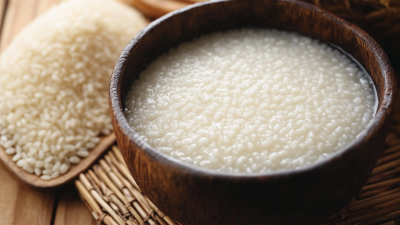
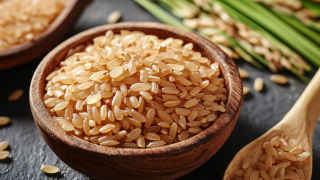
Custom wholesale rice konjac is a unique and versatile product made from the konjac plant. This plant is native to Asia and is known for its high fiber content. The resulting rice alternative has gained popularity among those seeking gluten-free or low-calorie options. Customization allows for different shapes and sizes to cater to various culinary needs.
The production process involves grinding and processing the konjac root into a rice-like texture. It can absorb flavors well, enhancing a variety of dishes. It is often used in soups, stir-fries, or salads. Some users find the texture unfamiliar. It can be a challenge to pair it perfectly with certain dishes. Additionally, the cooking time varies. Users sometimes feel unsure about the optimal way to prepare it to avoid a rubbery texture.
Beyond its culinary applications, custom wholesale rice konjac holds potential in food innovation. Its ability to replace traditional grains allows for creative recipes. However, it may not appeal to everyone. Experimenting and refining are crucial for mastering its use in the kitchen. As more chefs explore this ingredient, it will likely spark discussions about health and sustainability.
The Composition of Rice Konjac and Its Nutritional Benefits
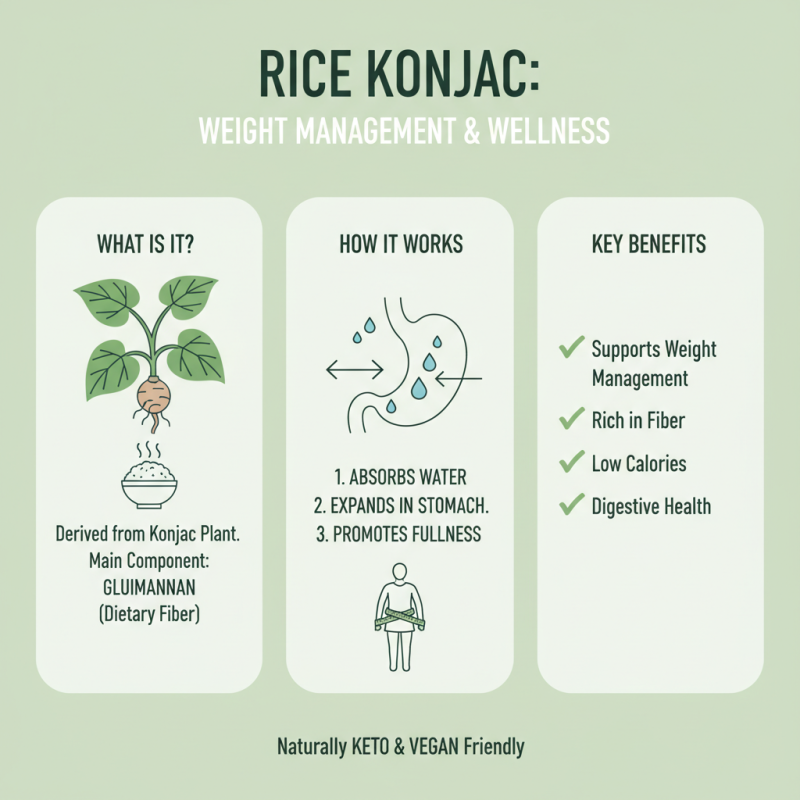
Rice konjac is a fascinating ingredient derived from the konjac plant. It is primarily composed of glucomannan, a water-soluble dietary fiber. This fiber is known for absorbing water. Thus, it can expand in the stomach, promoting a feeling of fullness. This property makes rice konjac popular among those seeking weight management solutions.
The nutritional benefits of rice konjac are notable. It is low in calories and contains no fat. Additionally, it is gluten-free, making it suitable for many diets. The high fiber content can support digestive health. Some studies suggest it may help regulate blood sugar levels. However, it is essential to acknowledge that relying solely on rice konjac for nutrition may not be ideal. A balanced approach to nutrition is always recommended.
Incorporating rice konjac into meals can enhance texture and bulk. It can be used in soups, stir-fries, or salads. This versatility allows for creative culinary applications. However, some may initially find its texture unusual or unappealing. Experimenting with seasonings can help overcome this barrier. Ultimately, rice konjac offers an interesting way to enjoy a healthy lifestyle.
Manufacturing Process of Custom Wholesale Rice Konjac
The manufacturing process of custom wholesale rice konjac involves several key steps that ensure quality and consistency. Initially, konjac roots are harvested and cleaned. This is a crucial stage. Any impurities can affect the final product. After cleaning, the roots are boiled to soften them. This makes it easier to extract the konjac gel.
Once softened, the roots are ground into a fine paste. This paste is then mixed with water to create a uniform consistency. The mixture is shaped into desired forms. After shaping, it undergoes a drying process. This helps in preserving the product and extending its shelf life. However, controlling the drying temperature is vital. Too high a temperature can compromise texture.
**Tip:** Always monitor the moisture levels during production. A controlled environment prevents spoilage.
After drying, the rice konjac is cut into appropriate sizes for commercial use. The versatility of konjac allows it to be used in various culinary applications.
**Tip:** Experiment with different cuts and shapes. They can enhance presentation and texture in dishes.
The final product is then packaged. Quality control is essential throughout this process. Small errors can lead to significant issues in the final output. Reviewing each stage helps maintain high standards.
Custom Wholesale Rice Konjac Usage and Production Overview
Common Uses of Rice Konjac in Culinary Applications
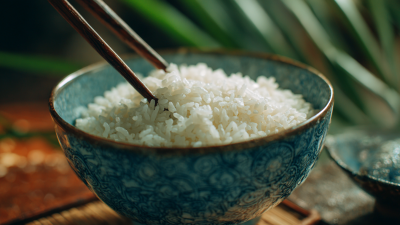
Rice konjac is a versatile ingredient popular in various culinary applications. This unique product, made from konjac flour and rice, has a soft texture and absorbs flavors well. It can serve as a substitute for traditional rice in many dishes. You can use it in stir-fries, soups, and salads. The versatility makes it appealing for many recipes.
In addition to its use as a rice alternative, rice konjac is often incorporated into gluten-free and low-calorie diets. Chefs enjoy using it for its ability to blend seamlessly with other ingredients. It pairs well with vegetables and proteins, enhancing their flavors. Experimenting with textures is also possible; you can find rice konjac in rice forms or as pasta.
However, some find its texture challenging initially. It may require careful cooking to achieve the desired consistency. Learning the best ways to flavor and season it can take time. Don’t get discouraged; experimenting with different spices can lead to exciting discoveries. Rice konjac opens up a world of culinary possibilities, inviting creativity in the kitchen.
The Market Demand and Trends for Rice Konjac Products
The market for rice konjac products is gaining momentum. This ingredient stands out due to its low-calorie content and high fiber. Customers are increasingly seeking healthier alternatives to traditional rice. As consumers become more health-conscious, the demand is reshaping the food industry.
Trends indicate a rise in gluten-free options. Many people with dietary restrictions are embracing rice konjac. It fits into various lifestyles. Eateries and food manufacturers explore innovative uses. Rice konjac can be found in noodles, snacks, and even desserts. However, not all applications have been successful. Some may find its texture unusual.
Sustainability also drives market growth. More consumers prioritize eco-friendly products. Yet, the production process can be complex. Questions regarding sourcing and quality often arise. Producers face challenges in maintaining consistency. The journey ahead for rice konjac products is exciting yet uncertain.
Health Benefits and Potential Risks of Consuming Rice Konjac
Rice Konjac, a unique food product, has gained popularity in recent years. It is derived from the konjac plant, primarily known for its high fiber content. Many people consume it for its health benefits. However, there are also potential risks associated with its consumption.
One major health benefit of Rice Konjac is its ability to aid in weight management. Its high fiber content promotes a feeling of fullness. This can help reduce overall calorie intake. Additionally, it supports gut health. Fiber is essential for a healthy digestive system. Yet, while it offers benefits, some may experience digestive discomfort, like bloating or gas.
Another concern is that konjac products can pose a choking hazard. This risk is especially high for young children and the elderly. Eating too quickly or not chewing thoroughly can lead to complications. It’s important to stay cautious and mindful while consuming it. Individuals with certain medical conditions should consult a doctor before adding Rice Konjac to their diet. Balancing enjoyment and caution is key.
What is Custom Wholesale Rice Konjac and How is it Used? - Health Benefits and Potential Risks of Consuming Rice Konjac
| Aspect |
Details |
| Product Type |
Rice Konjac |
| Main Ingredient |
Konjac flour |
| Uses |
Food products, dietary supplements |
| Health Benefits |
Weight management, cholesterol reduction, improved digestion |
| Potential Risks |
Digestive discomfort, choking hazard in improper use |
| Recommended Dosage |
Generally 1-2 grams per day for adults |
| Culinary Uses |
Noodles, rice alternatives, thickening agents |
Sourcing and Selecting Quality Custom Wholesale Rice Konjac
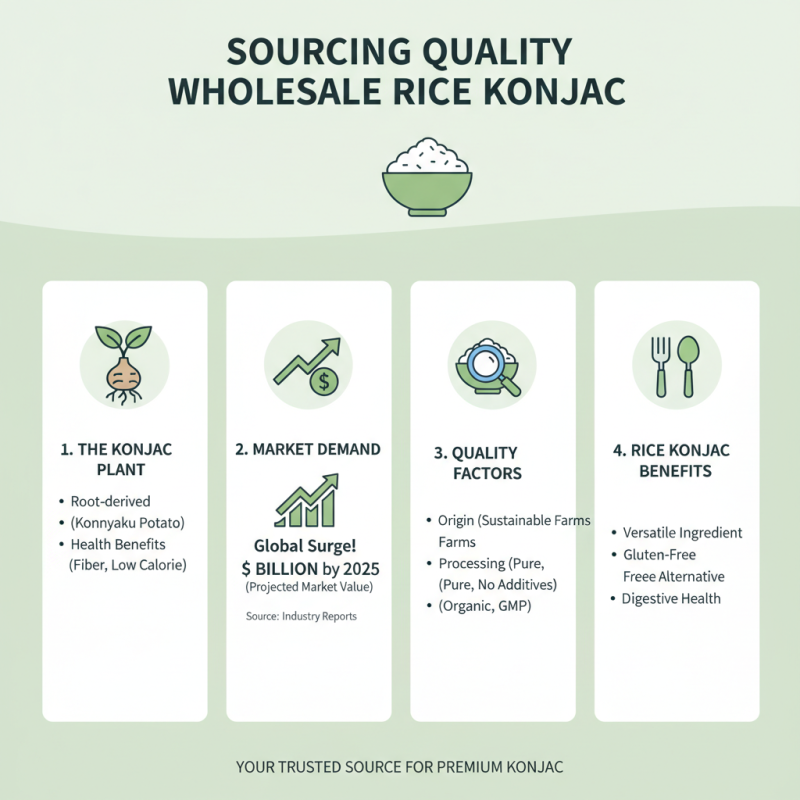
When sourcing custom wholesale rice konjac, quality is paramount. Konjac, derived from the konjac plant, is gaining popularity for its health benefits and versatility. In recent years, the global demand for konjac products has surged, with the market expected to reach $1 billion by 2025, according to industry reports. Selecting quality konjac involves understanding its sourcing process.
One key factor is the origin of the konjac roots. The best quality usually comes from specific regions in Asia, known for their fertile soil. Additionally, it's essential to consider the processing methods. A well-designed processing method enhances the nutritional profile. Reports indicate that poorly processed konjac can result in lower glucomannan content, affecting its health benefits.
Further, pay attention to certifications. Third-party certifications can indicate quality and safety. However, some suppliers may not pursue these certifications due to costs. This creates a dilemma. How do you ensure you're getting high-quality products? It's crucial to conduct thorough research and perhaps visit suppliers if possible. Quality assurance can make a significant difference in the final product.
Global Trends and Market Insights in the Konjac Noodle Industry: The Rise of Wholesale Customized Konjac Tomato Noodles
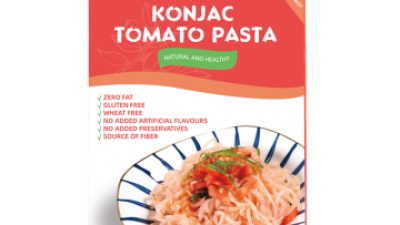
The konjac noodle industry is experiencing a significant transformation, particularly with the introduction of innovative products like wholesale customized konjac tomato noodles. According to recent market insights, the demand for low-calorie, high-fiber food alternatives is surging as more consumers embrace healthier dietary choices. These konjac tomato noodles not only cater to this growing demand but also offer a unique flavor profile thanks to the infusion of natural tomato extract.
Rich in fiber and low in carbohydrates, our konjac tomato noodles are ideal for various dietary preferences, including low-carb and gluten-free diets. The Health Marketing and Research Institute has reported that the global market for gluten-free products is projected to reach over $30 billion by 2026, with health-conscious consumers increasingly opting for alternatives that support digestive health. These noodles can be quickly prepared, making them suitable for busy lifestyles while still providing a nutritious option for meals.
Furthermore, the commitment to quality is paramount in the konjac noodle industry, with stringent quality control measures in place to ensure that each batch meets the high standards expected by consumers. Our products adhere to quality assurance certifications, including ISO and HACCP, reflecting the industry's dedication to safety and quality. This focus on health, flavor, and transparency in production is what makes our konjac tomato noodles a standout choice in the rapidly growing market of healthy food alternatives.
FAQS
: A variety of skincare items are available, including creams, serums, and cleansers. Each product serves a specific purpose.
Identify if your skin is dry, oily, or combination. This helps in selecting suitable formulations.
Yes, daily SPF protects against UV damage. It’s important, even on cloudy days.
Exfoliate once or twice a week. Too much can irritate the skin. Find what works for you.
Layering products is common, but introduce them gradually. Mixing too many can cause irritation or breakouts.
Stop using it immediately. Rinse the area with water. Consult a dermatologist if the reaction persists.
Monitor changes in your skin. Patience is key; results can take time. If unsure, seek professional advice.
Not necessarily. Some affordable options work well. Always read reviews and ingredients carefully.
Very important. A regular routine yields the best results. Skipping can hinder progress.
Yes, skin needs may change. Adjusting products can maintain balance and hydration throughout the year.
Conclusion
Rice Konjac is a unique and versatile ingredient derived from the konjac plant, specifically designed for wholesale use in various culinary applications. It is primarily composed of glucomannan, a natural polysaccharide known for its dietary fiber content, providing numerous nutritional benefits such as aiding digestion and promoting satiety. The manufacturing process involves strict quality control measures to ensure a high-quality end product.
In culinary uses, Rice Konjac can be incorporated into a variety of dishes, offering a low-calorie, carb-friendly alternative to traditional rice. The market for Rice Konjac products is growing, driven by increasing consumer interest in health and wellness. While it boasts several health benefits, such as weight management and blood sugar regulation, it is essential to consume it in moderation to minimize potential risks. When sourcing Rice Konjac, selecting quality suppliers is crucial for obtaining the best products.
 Email
Email Whatsapp
 WeChat