You know, as more and more people are on the lookout for healthy and creative food options, the konjac industry is really gearing up for some exciting growth, especially with this new thing called KONJAC PLANT RICE. Recent market reports have shown that the konjac market could hit a whopping USD 1.3 billion by 2025! This surge is largely thanks to folks becoming more aware of all the health perks that come with konjac products, like their low calorie count and high fiber content.
Here at Huizhou Zhongkaixin Food Co., Ltd., we've been doing our thing in the konjac health food space for over ten years now. We’re really excited to use our expertise to shake things up in this thriving market. Our passion for promoting healthier eating habits drives us to create top-notch KONJAC PLANT RICE. This isn't just a nutritious alternative; it also showcases how versatile konjac can be as a staple food in the global supply chain.
Emerging Technologies Transforming the Konjac Plant Rice Production Efficiency by 2025
You know, when it comes to boosting the production efficiency of Amorphophallus konjac, focusing on innovative technologies is super important—especially as the demand for konjac rice keeps climbing around the world. It’s pretty amazing how konjac, with all its bioactive compounds, isn't just valued for its traditional uses but is also being recognized for its potential health benefits. In fact, projections suggest the global market for konjac rice could see a growth of over 10% annually by 2025, thanks to that growing consumer interest in healthier food options.
Advancements in agricultural tech, like precision farming and those fancy IoT monitoring systems, are really shaking things up in how konjac is grown. These innovations empower farmers to make the most of their resources, keep tabs on plant health in real-time, and boost the quality of their yields. Take, for example, a recent study that showed smart irrigation systems might ramp up konjac yields by as much as 30%. That’s a win-win for both efficiency and sustainability in the supply chain! As the industry leans more into automation and data-driven choices, we’re likely to witness some significant changes in how konjac rice is produced—both in terms of capabilities and quality standards on a global scale.
Innovative Trends for Best Konjac Plant Rice in the 2025 Global Supply Chain
| Year |
Technology |
Implementation Status |
Expected Impact on Production Efficiency |
Sustainability Measures |
| 2023 |
Smart Irrigation System |
Pilot Testing |
20% Increase |
Water Conservation |
| 2024 |
AI Crop Management |
Development Phase |
30% Increase |
Precision Farming |
| 2025 |
Blockchain for Supply Chain |
Implementation |
25% Efficiency |
Transparency in Production |
| 2025 |
Automated Harvesting |
Research |
40% Increase |
Reduced Labor Use |
Market Demand Forecast: Analyzing the Global Konjac Rice Consumption Trends Through 2025
You know, as more and more people are looking for healthier food options these days, konjac rice is really starting to catch on. It's expected to see some big growth in consumption through 2025. This stuff is super high in fiber and super low in calories, which totally fits in with that gluten-free, low-carb craze that everyone’s been talking about. You really see this trend popping up in places like North America and parts of Europe, where health and wellness are a big deal right now.
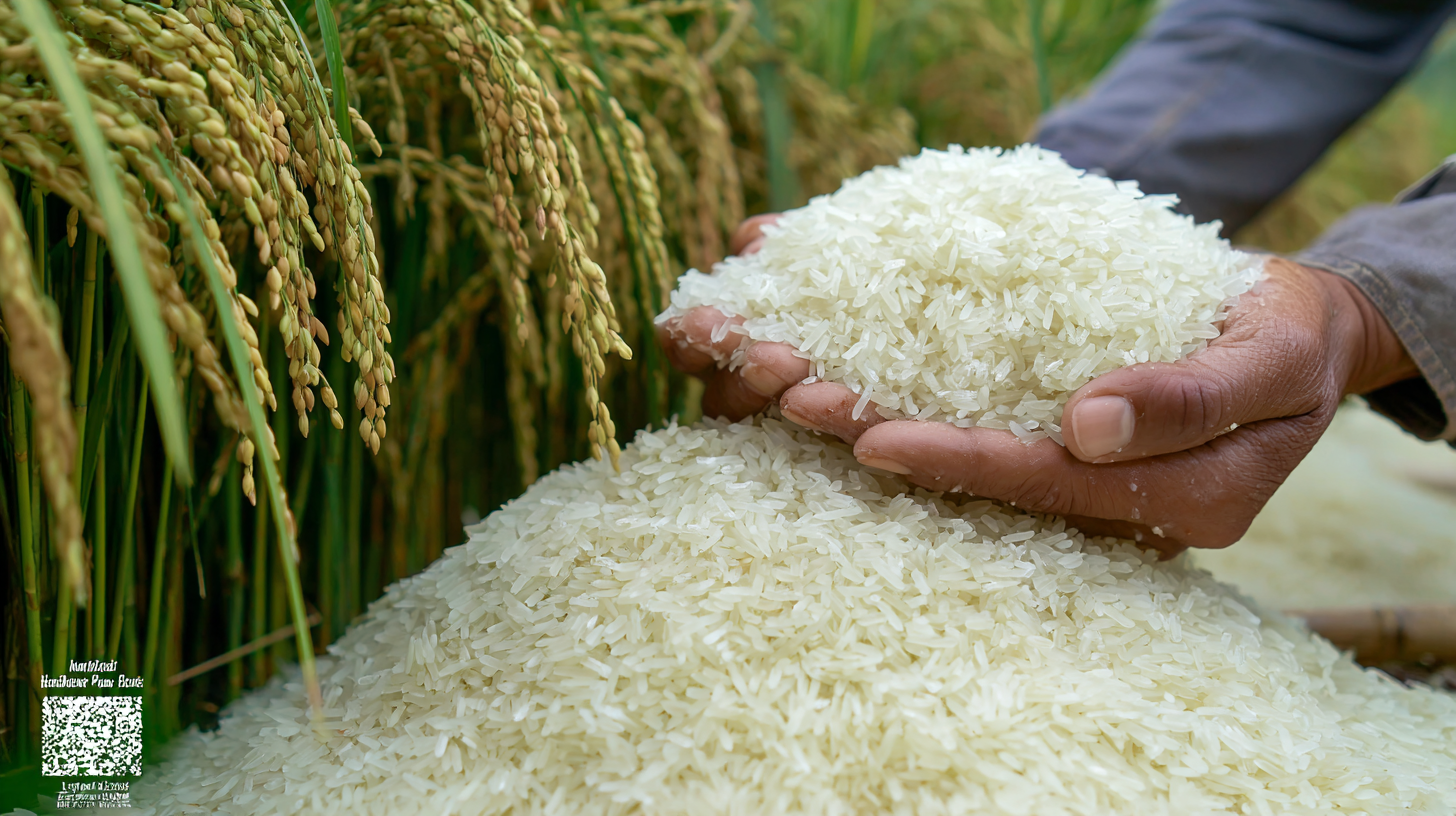
Experts are saying that by 2025, folks will be way more aware of the health perks of konjac, and that’s going to spark some cool new products and marketing ideas. Companies are likely gonna get creative with konjac rice, whipping up all sorts of flavors and blends to cater to different diets. Plus, with online shopping on the rise, it’s going to be easier than ever for people to grab konjac products, which will only further increase the consumption rates. And let’s not forget – those engaging marketing campaigns that highlight both the sustainability and health benefits of konjac rice will be super important to meet all this growing demand.
Sustainable Practices Impacting the Konjac Supply Chain: A 2025 Perspective on Eco-Friendly Innovations
Hey there! You know, as more and more people are on the lookout for healthier and more sustainable food options, the konjac plant is really starting to make waves in the global market. This cool plant is famous for being low in calories and high in fiber. It's a hit among those who are health-conscious, and recently, we’ve been seeing some pretty innovative practices popping up aimed at cutting down its environmental footprint. By 2025, I think we’ll really see the konjac supply chain embracing eco-friendly innovations that focus on sustainability at every stage—right from how it’s grown to how it’s processed.

One exciting sustainable practice that folks are catching onto involves regenerative agriculture techniques, which help boost soil health and biodiversity. Farmers are trying things like crop rotation and cutting back on chemical usage. These strategies not only make the konjac crops healthier but also support a more sustainable ecosystem overall. Plus, with some cool advancements in bioengineering, we might even get more resilient varieties of konjac that need fewer resources to grow. This means production could become more efficient while being better for the planet.
And there's more! We’re likely to see a big move towards greater transparency in the supply chain. Thanks to blockchain tech, consumers will be able to trace their konjac products from the farm right to their tables. This kind of accountability isn’t just good for promoting sustainable practices; it also gives consumers the power to make smarter choices about what they buy. So when we look forward to 2025, I really believe that the mix of sustainable farming, inventive processing, and transparency will reshape the konjac supply chain, leading us towards a greener and healthier future!
Navigating Regulatory Changes: Key Compliance Strategies for Konjac Plant Rice Producers in 2025
You know, as the global supply chain for konjac plant rice keeps changing, it’s really crucial for producers to stay on top of the latest regulatory updates. With 2025 right around the corner, there are some new standards and guidelines coming in that focus on quality and safety. So, it’s super important to stay aware and keep informed about what’s going on. By understanding these regulations, not only can you protect your production processes, but you’ll also boost your credibility in the marketplace, which is a win-win!
Here’s a tip: make it a habit to chat regularly with industry experts and legal advisors who really know their stuff when it comes to food regulations. They can help you get the scoop on any changes that might impact how you operate. If you know what's coming up, you can adapt your practices ahead of time instead of scrambling to catch up later.
And let’s not overlook the importance of setting up a solid compliance management system. This should be a go-to for tracking and documenting how well you’re sticking to food safety standards, sourcing materials, and labeling ingredients. Having a system like this in place can really help streamline your operations and make audits a whole lot easier.
Another friendly suggestion: think about using compliance management software to help automate your tracking. It can send you alerts whenever there’s a regulatory update, so you can stay compliant without drowning in paperwork. Trust me, it’ll save you a ton of time and hassle!
Consumer Preferences Shaping the Future of Konjac Rice: Insights from Recent Market Research Data
You know, the konjac rice market is really buzzing with changes lately! It's all thanks to how consumers are changing what they want to eat. Recent studies show that more and more health-focused folks are looking for alternatives to regular rice. This shift is totally influenced by a growing awareness of what we put in our bodies, especially when it comes to things like managing weight and avoiding gluten. That’s where konjac rice steps in—it's super low in calories and packed with glucomannan, a fiber that helps curb your appetite. No wonder it's becoming a go-to for people who want healthier meal options!
And let's not forget about the whole sustainability angle. Nowadays, folks are way more aware of how their food choices affect the planet. Because of this, there's a noticeable increase in the demand for plant-based products that are not just good for us but also kind to the environment. This shift is really shaking things up in the konjac supply chain, as brands and producers dive into more eco-friendly farming and packaging ideas. So, looking at these new trends, it’s clear that really getting to grips with consumer behavior is going to be key for shaping the future of konjac rice on the global stage.
Consumer Preferences for Konjac Rice in 2025
Nourish Your Body: Exploring the Benefits of Low GI Konjac Noodles for Healthy Living
Exploring the benefits of low glycemic index (GI) foods has become increasingly important for those looking to maintain a balanced diet and support healthy living. One standout option in the realm of low GI foods is konjac noodles, particularly Ketoslim Mo Konjac Low-GI Noodles. Made from the natural konjac root, these gluten-free noodles offer a remarkable solution for individuals seeking stable energy levels and lasting satisfaction. With zero net carbs, they significantly minimize any impact on blood sugar levels, making them an excellent choice for individuals following low-carb, keto, or diabetic-friendly diets.
Research highlights the advantages of low GI foods, showing that they can lead to better appetite control and improved metabolic health. A study published in the "American Journal of Clinical Nutrition" revealed that consuming low GI foods can help reduce the risks associated with type 2 diabetes and obesity. This is particularly relevant for those looking to manage their weight or blood sugar levels. The konjac root itself is rich in glucomannan, a soluble fiber known for its satiating properties, which further promotes a sense of fullness and can aid in weight management.
Ketoslim Mo Konjac Low-GI Noodles not only provide nutritional benefits but also come with stringent quality assurance measures. With certifications including ISO, HACCP, BRC, HALAL, and FDA, you can be assured of their safety and quality. Free samples and catalogs are available for evaluation, making it easier for you to incorporate these nutritious noodles into your meals while adhering to dietary goals. Elevate your health journey with the remarkable benefits that low GI konjac noodles offer.
FAQS
: The konjac plant is recognized for its low-calorie content and high fiber, making it popular in health-conscious diets.
Farmers are adopting regenerative agriculture techniques such as crop rotation and reduced chemical usage to improve soil health and enhance biodiversity.
Advancements in bioengineering may produce more resilient konjac varieties that require fewer resources, leading to more efficient and environmentally friendly production.
Blockchain technology will enable consumers to trace the journey of konjac products from farm to table, promoting accountability and informed decision-making.
Producers should build a robust compliance management system, consult with industry experts, and stay informed about regulatory changes to ensure quality and safety.
Health-conscious consumers prefer konjac rice due to its low-calorie count and glucomannan content, which can help with appetite suppression and weight management.
There is a rising demand for nutritious, environmentally friendly foods, prompting producers to adopt eco-friendly farming methods and packaging solutions.
Implementing compliance management software can streamline tracking processes and provide alerts for regulatory updates, ensuring ongoing adherence to food safety standards.
The combination of health awareness and environmental consciousness among consumers is fostering innovation, leading to the exploration of sustainable farming methods and practices.
Insights from market research can guide producers in aligning their products with consumer behavior, helping to shape the future direction of konjac rice in the global market.
 Email
Email Whatsapp
 WeChat